 Jyoti Sharma
June 11, 2026
Jyoti Sharma
June 11, 2026
India feeds 1.4 billion people. The backbone of that system is a farmer working an average of 0.6 hectares of land, roughly the size of a football pitch, absorbing the compounding shocks of climate change, rising input costs, and unpredictable markets, often with limited real-time information to guide decisions.
That’s changing. And AI in agriculture is the reason why.
A revolution in Indian fields
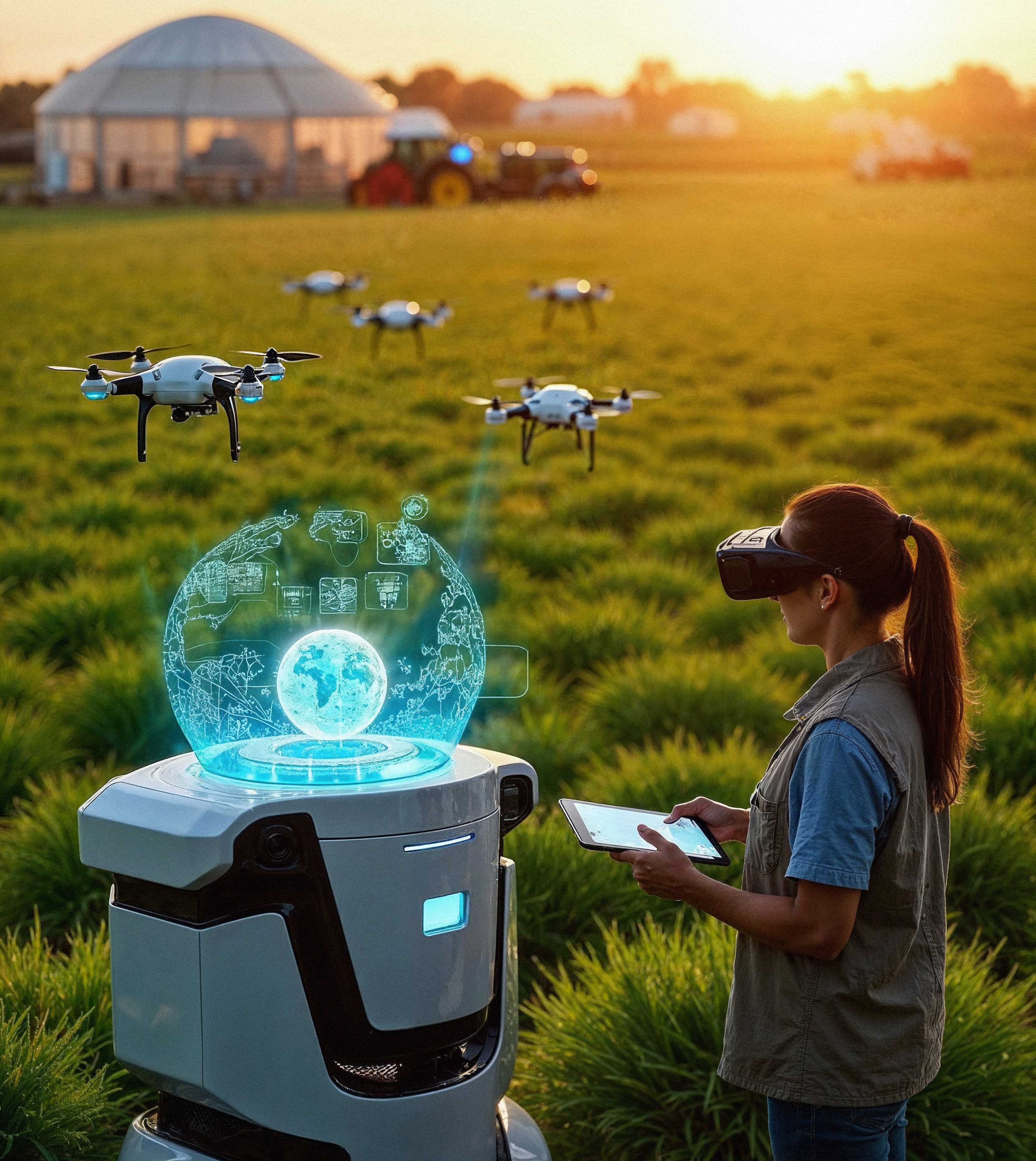
AI in agriculture isn’t a distant concept anymore. It’s already at work, in satellite images that flag crop stress before it’s visible to the naked eye, in machine learning models that predict pest attacks days in advance, and in digital platforms that connect farmers to live market prices the moment they’re ready to sell.
Globally, the AI in agriculture market was valued at USD 2.4 billion in 2025 and is projected to reach USD 3.0 billion in 2026, growing at a CAGR of 24.5% through 2032.
In India specifically, the picture is even more striking. The AI in agriculture segment is forecast to grow from approximately USD 70 million in 2024 to USD 350 million by 2033, at a CAGR of 19.5%. And within the broader agritech ecosystem, AI-led solutions are scaling from ~$900 million in 2025 to $5.6 billion by 2030, one of the fastest-growing agritech sub-segments in the country.
The momentum is real. The question for Indian farmers is: how do you access it?
What AI is actually doing for farmers
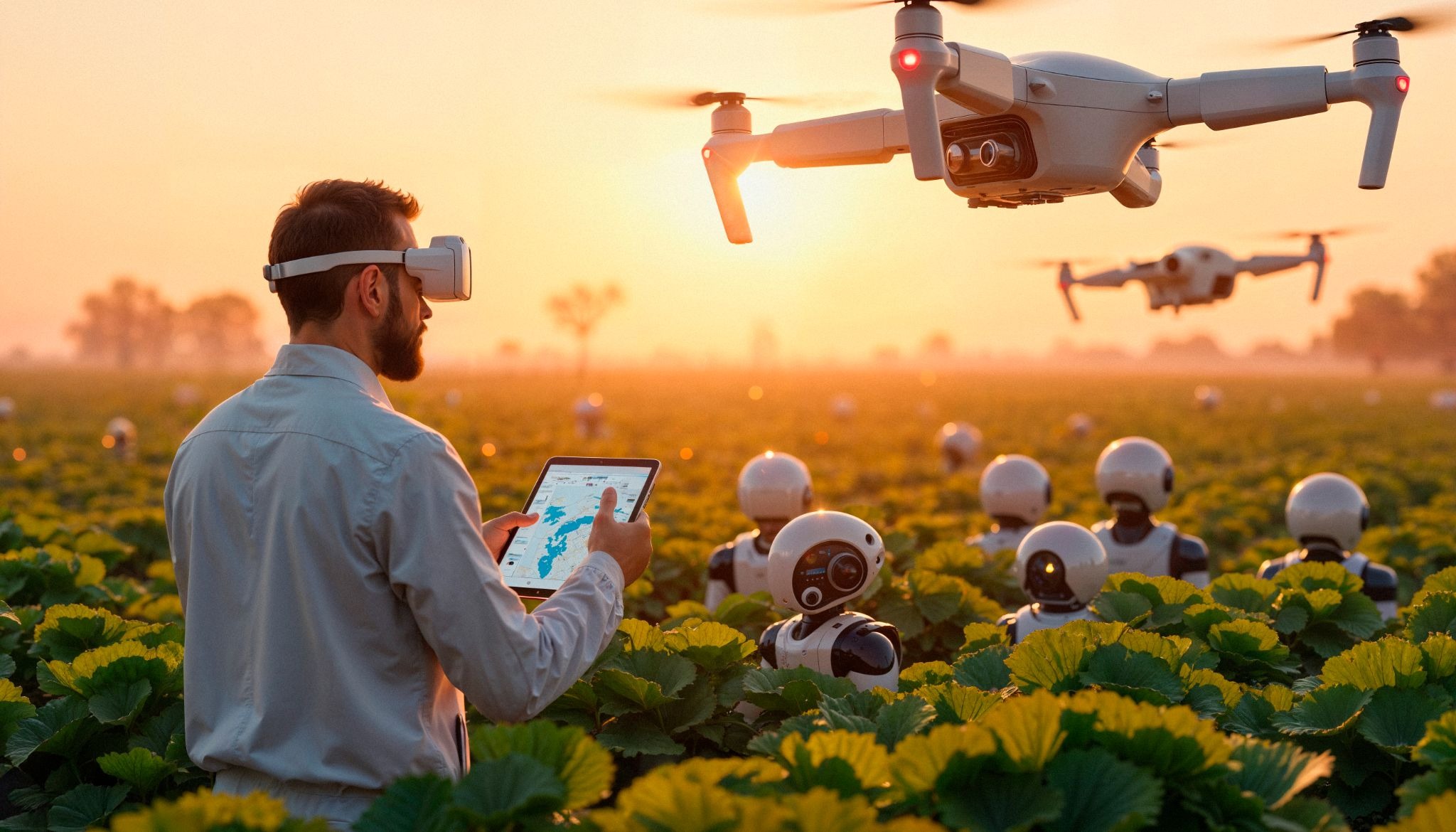
- Smarter Crop Monitoring: Traditionally, a farmer spotted a problem by walking their field. That works for one plot. It doesn’t scale to multiple fields, and it’s always reactive. AI-powered satellite monitoring changes this fundamentally, analysing vegetation indices and soil moisture data across entire regions, flagging stress zones in real time, and giving farmers the ability to act before a problem becomes a loss.
By 2025, over 30% of Indian precision farms were deployed with satellite imaging technologies.
- Disease and Pest Detection: Crop disease is one of the biggest yield destroyers in Indian agriculture. AI is shifting this from a reactive to a predictive problem. Neural networks have demonstrated the ability to detect diseases with impressive accuracy rates, while machine learning models now generate early pest alerts that allow farmers to intervene before infestations spread.
- Yield Prediction and Market Timing: AI models that analyse historical weather patterns, soil data, and market trends are giving farmers the ability to forecast yields with greater accuracy, helping them plan storage, negotiate better prices, and avoid distress selling. This directly addresses one of the most persistent income problems in Indian agriculture: selling at the wrong time because of a lack of information.
According to Ministry of Agriculture data, farmers using AI-enabled market platforms have seen a 40–50% increase in net income compared to conventional market channels.
- Water and input optimisation: AI-guided irrigation and variable-rate fertilisation are reducing resource waste significantly. Field trials using AI-powered IoT sensor networks in Karnataka, Maharashtra, and Telangana showed a 20% reduction in water and pesticide use without yield loss.
How agribazaar brings AI to Indian farmers
agribazaar, StarAgri’s technology platform, is one of the few platforms in India that integrates AI across the full crop lifecycle, from pre-harvest intelligence to post-harvest market access.
- AgriKnow is agribazaar’s satellite-based crop health monitoring tool. Powered by AI and machine learning, it analyses satellite imagery to detect vegetation index changes, sends early warning alerts for extreme weather events, identifies productivity zones for differential fertilising and irrigation, and provides crop-specific advisory on soil type, NPK and pH levels, all accessible through a mobile app. What used to require expensive agronomists and field visits is now available on a phone.
- AgriBhumi is agribazaar’s land intelligence platform, designed to transform satellite and geospatial data into decisions. It creates comprehensive digital profiles of farmland by integrating multiple data layers, crop health across growth stages, soil and crop history, yield estimates, and land productivity assessments. It’s used by farmers, agri-businesses, and financial institutions alike to make smarter decisions at every stage of the agricultural value chain.
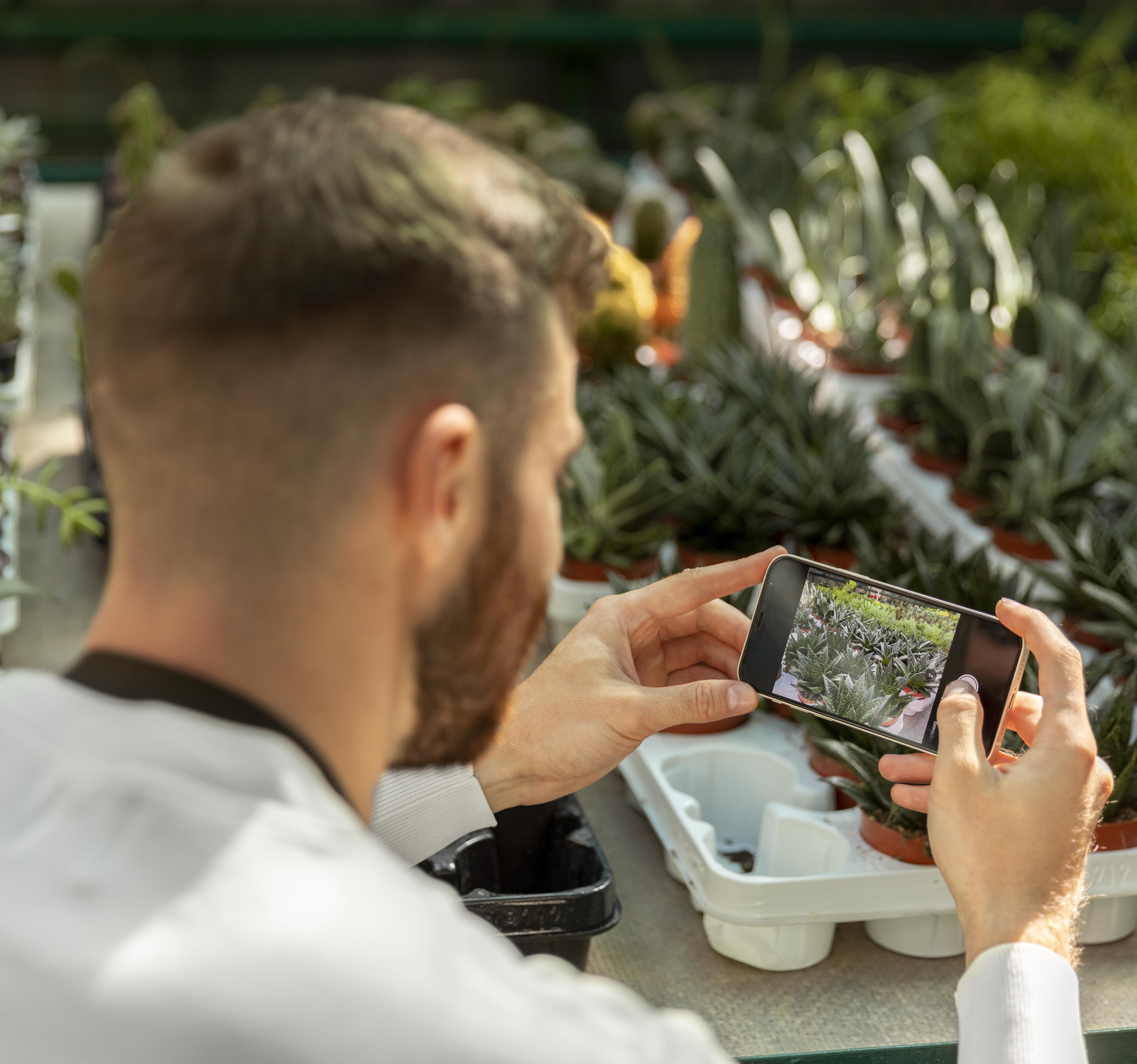
- Crop Doctor puts AI-powered disease and pest diagnosis directly in the farmer’s hands. Upload an image of an affected plant; receive a diagnosis and treatment plan, fast, localised, and accurate.
And beyond the field, agribazaar’s digital marketplace provides real-time price discovery and direct market access to over 300,000 farmers across India, ensuring that the yields AI helps improve also get the prices they deserve.
The future
India’s agritech sector is projected to grow from $9 billion in 2025 to $28 billion by 2030 at a 25% CAGR, with AI-led solutions forming nearly 20% of that market. The government’s push through Digital India, the National Pest Surveillance System, and AgriStack, a national digital registry linking farmer and field data, is building infrastructure that will accelerate AI adoption across the country.
The tools exist. The data infrastructure is being built. And platforms like agribazaar are making it accessible to farmers who’ve long operated with the least information and the highest risk.
The future of farming in India won’t be defined by how much land a farmer works. It’ll be defined by how well they can use data to work with it.
FAQs
- How is AI currently being used in Indian agriculture?
AI is being used to monitor crop health via satellite, detect pest and disease outbreaks early, predict yields, and guide irrigation and input decisions, all in real time and accessible through a smartphone. - Do smallholder farmers in India have access to AI farming tools?
Yes. Platforms like agribazaar are built specifically for Indian farmers, regardless of farm size, offering mobile-first tools like AgriKnow and Crop Doctor that don’t require expensive equipment or technical expertise to use. - How does satellite-based crop monitoring actually work?
Satellites capture images of fields at regular intervals, which AI analyses to detect changes in vegetation health, soil moisture, and crop stress. Farmers receive alerts and recommendations based on what the data shows, often before problems are visible on the ground. - What is the difference between AgriKnow and AgriBhumi on agribazaar?
AgriKnow focuses on crop health monitoring and field-level advisory, ideal for day-to-day farm management. AgriBhumi takes a broader view, building digital land profiles by integrating soil, weather, and historical crop data to support yield estimation and longer-term planning. - How does AI help farmers get better prices for their produce?
By analysing market trends, historical price data, and demand patterns, AI helps farmers identify the right time to sell, reducing dependence on middlemen and enabling direct access to buyers through platforms like agribazaar’s digital marketplace.
Disclaimer
The content published on this blog is provided solely for informational and educational purposes and is not intended as professional or legal advice. While we strive to ensure the accuracy and reliability of the information presented, agribazaar make no representations or warranties of any kind, express or implied, about the completeness, accuracy, suitability, or availability with respect to the blog content or the information, products, services, or related graphics contained in the blog for any purpose. Any reliance you place on such information is therefore strictly at your own risk. Readers are encouraged to consult qualified agricultural experts, agronomists, or relevant professionals before making any decisions based on the information provided herein. agribazaar, its authors, contributors, and affiliates shall not be held liable for any loss or damage, including without limitation, indirect or consequential loss or damage, or any loss or damage whatsoever arising from reliance on information contained in this blog. Through this blog, you may be able to link to other websites that are not under the control of agribazaar. We have no control over the nature, content, and availability of those sites and inclusion of any links does not necessarily imply a recommendation or endorsement of the views expressed within them. We reserve the right to modify, update, or remove blog content at any time without prior notice.