 Jyoti Sharma
July 29, 2026
Jyoti Sharma
July 29, 2026
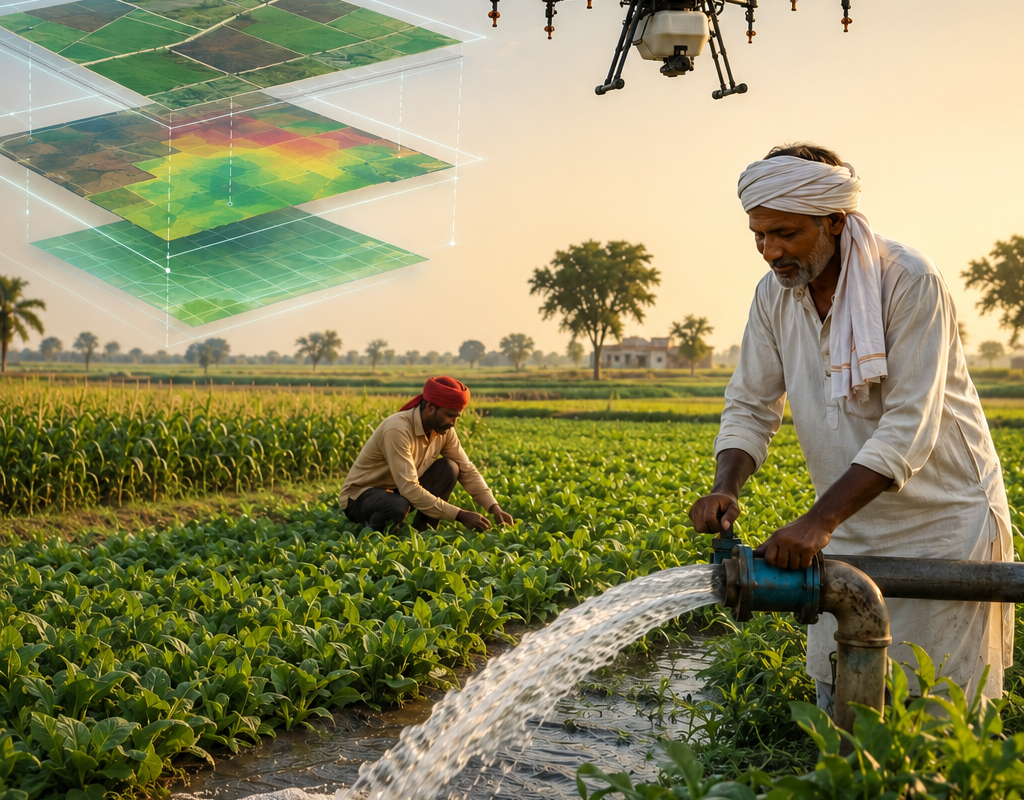
Farming today looks nothing like it did a decade ago, and honestly, that’s a good thing. Between shrinking landholdings, unpredictable weather, and rising input costs, the old “plant, pray, harvest” approach just doesn’t cut it anymore. The good news? A wave of modern farming techniques is helping Indian farmers grow more with less. Less water, less fertiliser, less guesswork. Let’s walk through 10 of them that are actually moving the needle in 2026.
1. Precision Farming with GPS and Sensors
Precision farming uses GPS mapping, soil sensors, and data analytics to treat every patch of your field according to what it actually needs, instead of blanket-spraying the whole plot. India’s precision agriculture market was valued at roughly USD 304.6 million in 2024 and is projected to nearly double to USD 700.87 million by 2033 as adoption spreads. Studies suggest yields can rise by up to 70% when precision methods are paired with better water discipline.
2. Drone-Based Crop Monitoring
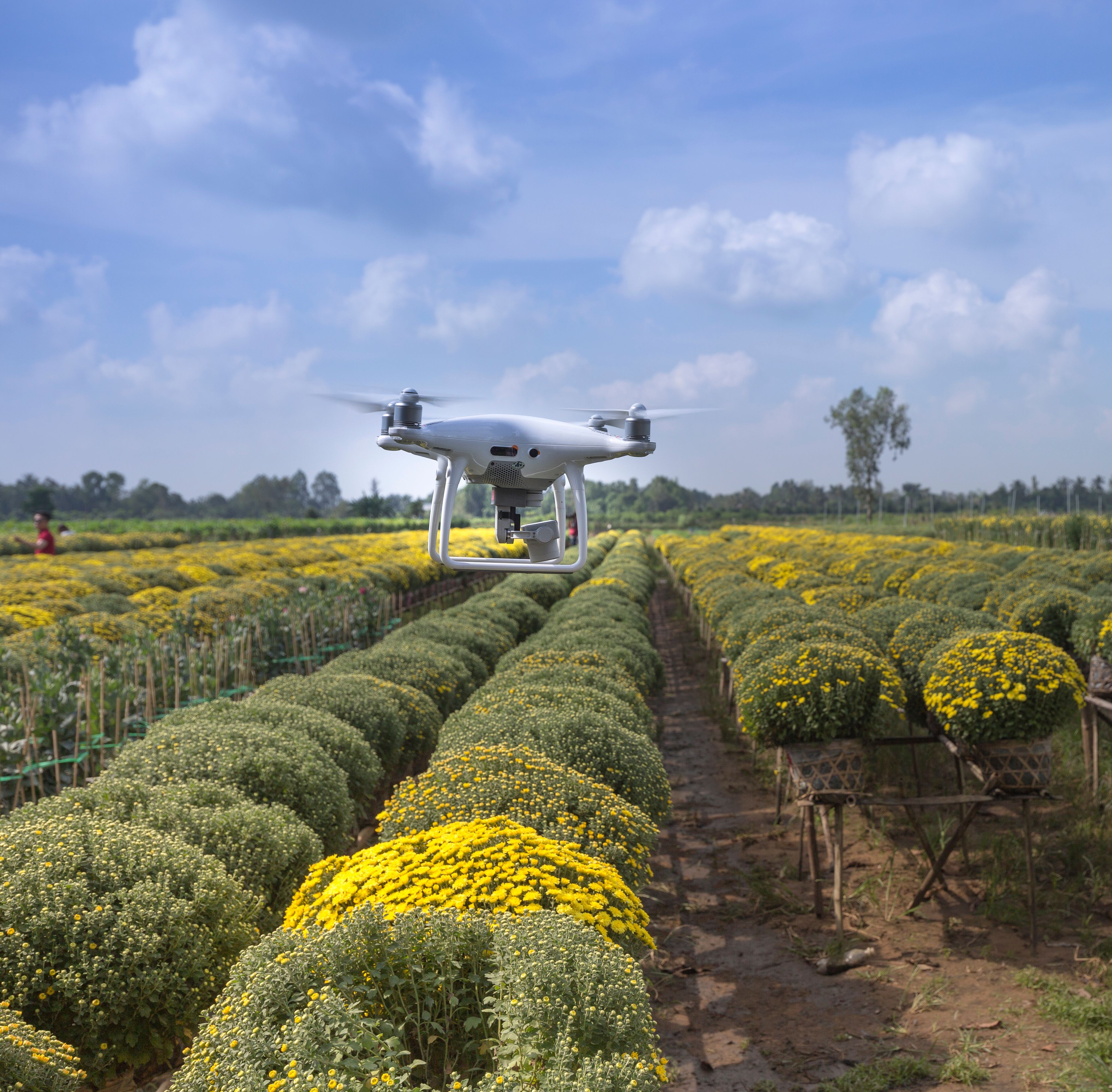
Drones fitted with multispectral and thermal cameras can spot nutrient deficiencies, water stress, or an early pest outbreak days before the naked eye would. For a farmer managing several acres, that early warning is the difference between a quick fix and a wiped-out patch.
3. Soil Sensors and Real-Time Nutrient Monitoring
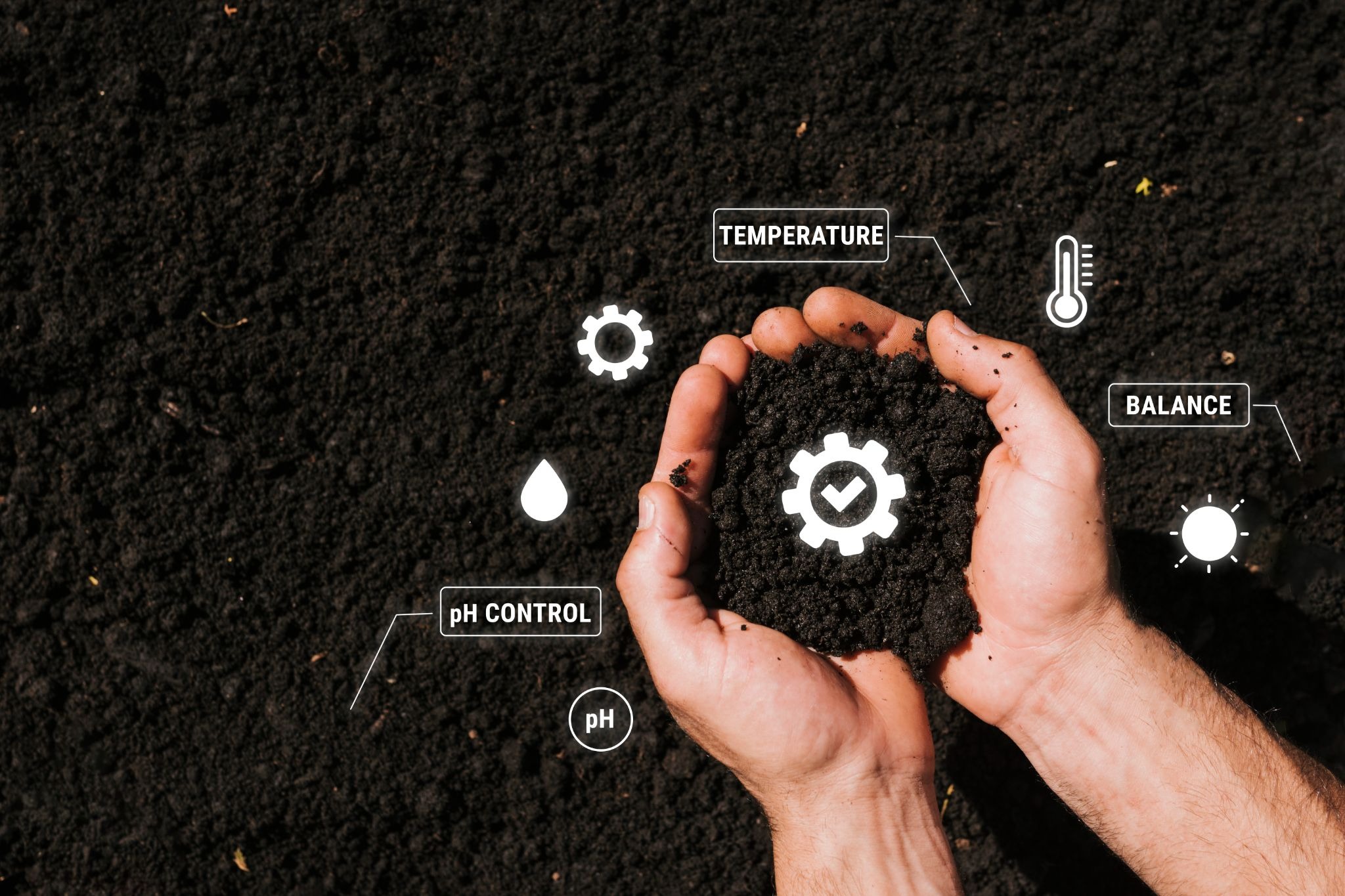
IoT-based soil sensors track moisture and nutrient levels around the clock, so irrigation and fertiliser decisions are based on actual readings rather than habit. Research from ICAR indicates water savings of 30–50% when these tools are used effectively.
4. Variable Rate Technology (VRT)
VRT lets machinery automatically adjust how much seed, fertiliser, or pesticide it applies as it moves across a field, based on that specific zone’s needs. It’s one of the clearest ways to cut input waste without cutting yield.
5. AI-Powered Farm Advisory
Artificial intelligence is now doing the heavy lifting on data: predicting yields, flagging disease risk, and recommending sowing windows. It’s quickly becoming a core part of how modern farms plan their season.
6. GPS-Guided Tractors and Machinery
Auto-steer tractors keep sowing and ploughing lines razor-straight, cutting overlap and skipped patches. In March 2026, John Deere launched its 5M Series 130 HP tractor in India with factory-fitted GPS and digital tools built specifically to raise farm productivity and cut input costs.
7. Vertical and Protected Cultivation
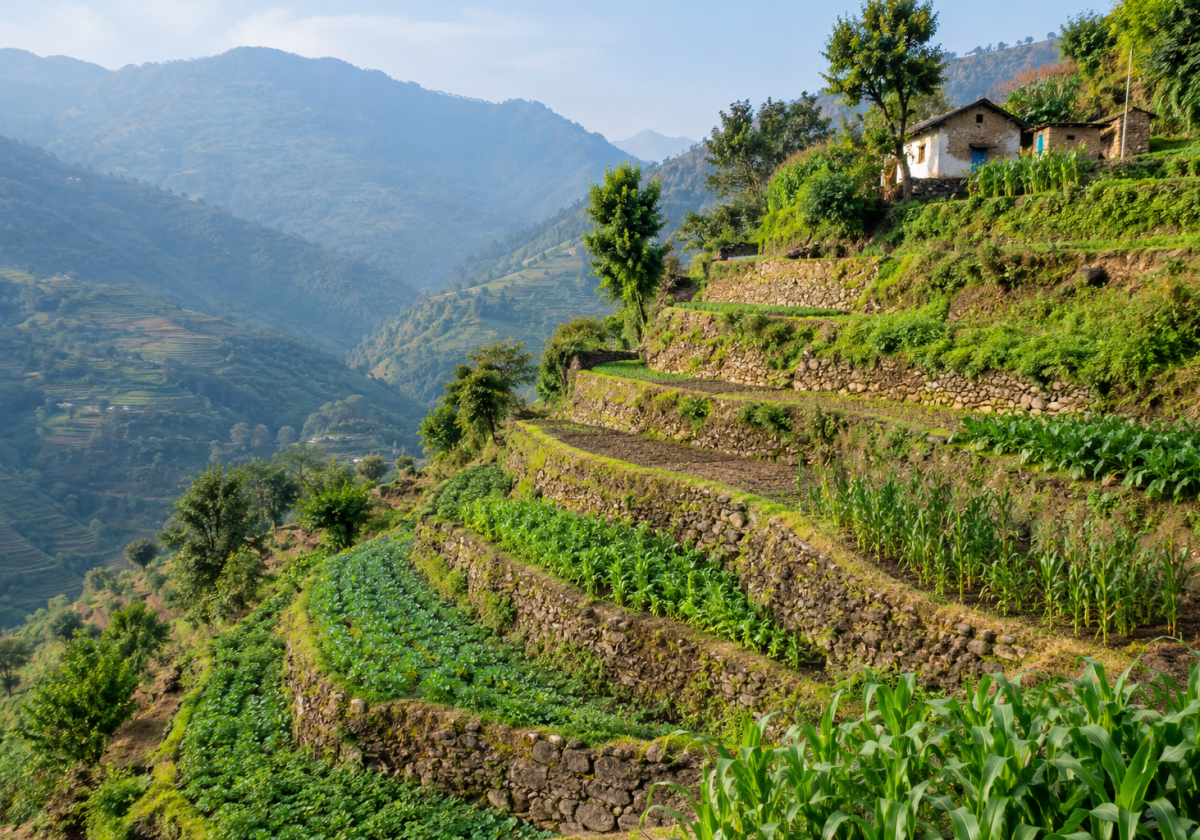
For farmers with limited land, vertical farming and polyhouse/shade-net cultivation let you grow more crop cycles per year with tighter control over pests and weather — particularly useful for high-value vegetables and leafy greens.
8. Micro-Irrigation (Drip and Sprinkler Systems)
Drip and sprinkler irrigation deliver water directly to the root zone, cutting waste dramatically in a country where agriculture consumes nearly 80% of freshwater resources. It pairs naturally with soil sensors for a fully data-driven watering schedule.
9. Crop Rotation and Integrated Nutrient Management
Not everything modern is high-tech. Rotating crops and blending organic inputs with chemical fertilisers keeps soil health intact over the long run, protecting the yields you’re chasing this season and the ones in the near future.
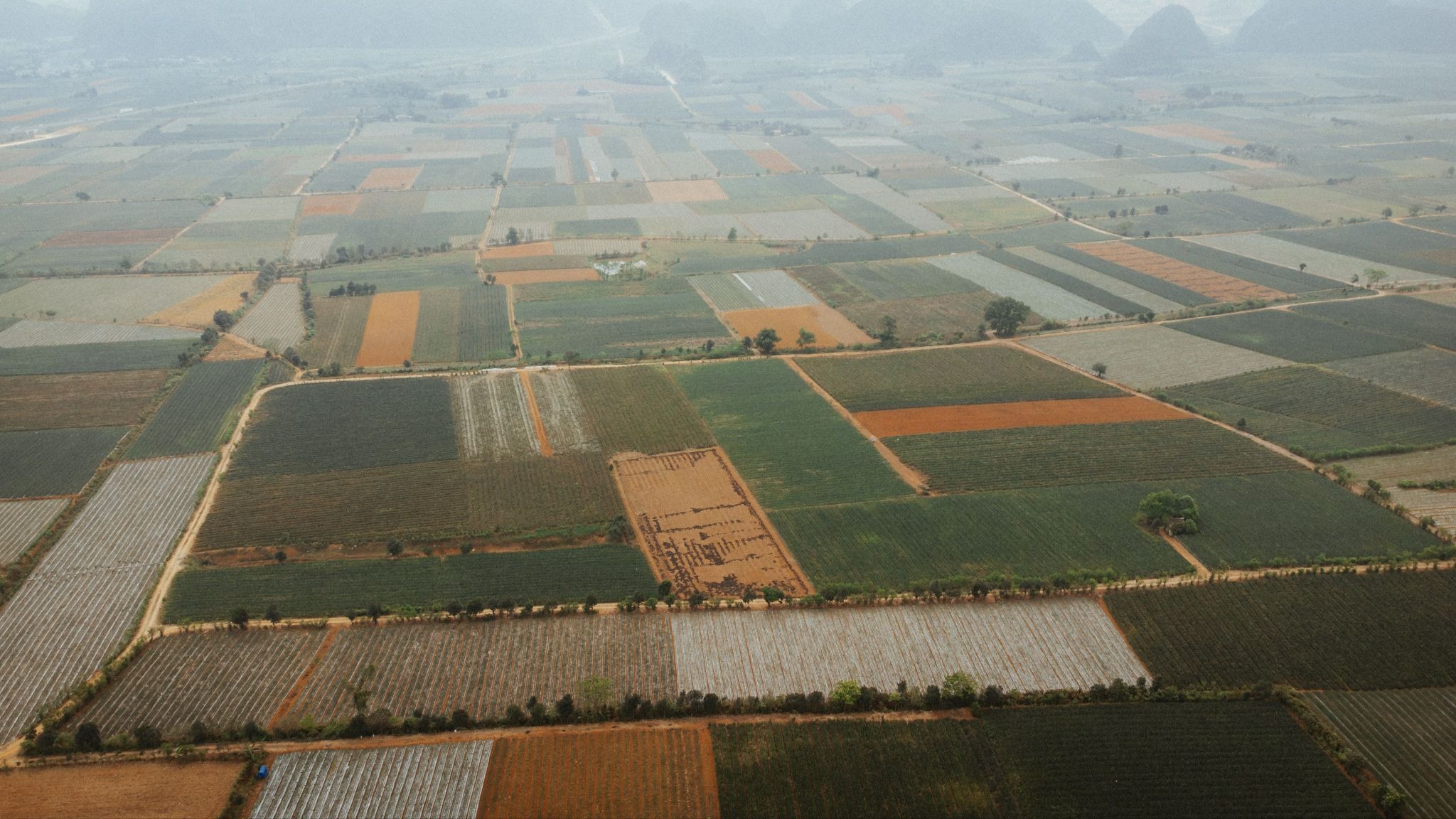
10. Digital & Direct Market Linkage
Perhaps the most underrated “technique” isn’t in the field at all but where you sell. Digital agri-marketplaces connect farmers directly with buyers, cutting out layers of middlemen and often fetching better realisation on the same harvest.
Where India stands, & where it’s headed
Adoption is still uneven. Precision techniques are used on roughly 15–18% of large farms but only about 5% of small farms, with states like Punjab and Maharashtra leading while Bihar and Odisha lag. The government is pushing to close that gap, including a recent push under the Mission for Integrated Horticulture Development aimed at reaching 60,000 farmers over five years. The direction is clear: technology adoption is only going to accelerate from here, and farmers who start early get the advantage of experience before it becomes the norm.
How agribazaar helps you put this into practice
Knowing these techniques is one thing, and accessing the tools, inputs, and market linkages to actually use them is another.
agribazaar brings farmers real-time mandi price discovery, quality-assured agri-input procurement, and a digital marketplace that connects your harvest directly to buyers, cutting out unnecessary middlemen. Alongside this, agribazaar’s advisory support helps farmers make sense of weather, soil, and market data so that adopting a new technique feels like a plan, not a bet.
Implementing modern farming techniques isn’t just about chasing every new gadget. It’s about picking the right techniques that fit your land, your crop, and your budget, and doing them well. Start there, and the yield & the profit tend to follow.
FAQs
- What is precision farming and how does it help?
Precision farming uses GPS, sensors, and data analytics to manage each part of a field based on its specific needs instead of treating the whole plot the same way. It helps cut input waste while boosting yield. - Are modern farming techniques affordable for small farmers?
Adoption is still low among small farms (around 5%) compared to large farms (15–18%), mainly due to cost. However, government schemes and shared-resource models are gradually closing that gap. - Which states in India have adopted precision farming the most?
Punjab and Maharashtra are ahead in adoption, while states like Bihar and Odisha still lag due to limited access to technology and awareness. - Do I need to adopt all 10 techniques at once to see results?
No. Most farmers see the biggest gains by picking two or three techniques that fit their crop, land size, and budget rather than trying everything together. - How can I access modern farming inputs and market linkages easily?
agribazaar offers real-time mandi prices, quality-checked inputs, and direct market access, making it easier to apply these techniques without navigating everything alone.
Disclaimer
The content published on this blog is provided solely for informational and educational purposes and is not intended as professional or legal advice. While we strive to ensure the accuracy and reliability of the information presented, agribazaar make no representations or warranties of any kind, express or implied, about the completeness, accuracy, suitability, or availability with respect to the blog content or the information, products, services, or related graphics contained in the blog for any purpose. Any reliance you place on such information is therefore strictly at your own risk. Readers are encouraged to consult qualified agricultural experts, agronomists, or relevant professionals before making any decisions based on the information provided herein. agribazaar, its authors, contributors, and affiliates shall not be held liable for any loss or damage, including without limitation, indirect or consequential loss or damage, or any loss or damage whatsoever arising from reliance on information contained in this blog. Through this blog, you may be able to link to other websites that are not under the control of agribazaar. We have no control over the nature, content, and availability of those sites and inclusion of any links does not necessarily imply a recommendation or endorsement of the views expressed within them. We reserve the right to modify, update, or remove blog content at any time without prior notice.