
 Jyoti Sharma
August 6, 2026
Jyoti Sharma
August 6, 2026
Every farmer has heard the same advice at some point: buy more fertiliser, spray more often, add another round of pesticide. But here’s the uncomfortable truth. Pouring in more inputs doesn’t always mean getting more crop yield. In fact, India’s own numbers tell a strange story. Fertiliser subsidy spending rose by roughly 120% between 2014-15 and 2024-25, while actual fertiliser consumption grew by only about 20%. Somewhere in that gap, a lot of money is being spent for very little extra grain.
So the real question isn’t “how much more can I add?“
It’s “how much smarter can I use what I already have?“
The efficiency gap nobody talks about
Nitrogen Use Efficiency (NUE), the share of applied nitrogen that a crop actually absorbs and converts into yield, has been declining in India. That means a good chunk of every bag of urea a farmer buys is being lost to the air, washed into groundwater, or sitting unused in the soil. It’s not a crop yield problem. It’s an absorption problem.
The same pattern shows up with phosphorus and potassium, where usage efficiency rarely crosses 40%. And it’s not just about wasted money. Poor nutrient uptake is directly linked to a 25-30% crop loss in many regions due to imbalanced fertilisation and pest pressure that unhealthy soil struggles to resist.

What can actually make a difference
- Soil testing before spending: Most farmers apply fertiliser based on habit or what the neighbour used, not on what the soil actually needs. A basic soil test can reveal nutrient deficiencies (nitrogen, phosphorus, potassium, zinc, boron are commonly deficient across 33-90% of tested soils in parts of the country) and stop farmers from over-applying nutrients the soil already has enough of.
- Precision and split dosing: Instead of dumping the full fertiliser dose at sowing, splitting it across key growth stages and using tools like leaf colour charts or simple sensors lets the plant absorb nutrients when it actually needs them, cutting waste dramatically.
- Nano and slow-release fertilisers: Nano urea and similar innovations are designed to improve nutrient uptake efficiency at a fraction of the conventional dose, some formulations aiming to cut conventional urea requirement by up to half.
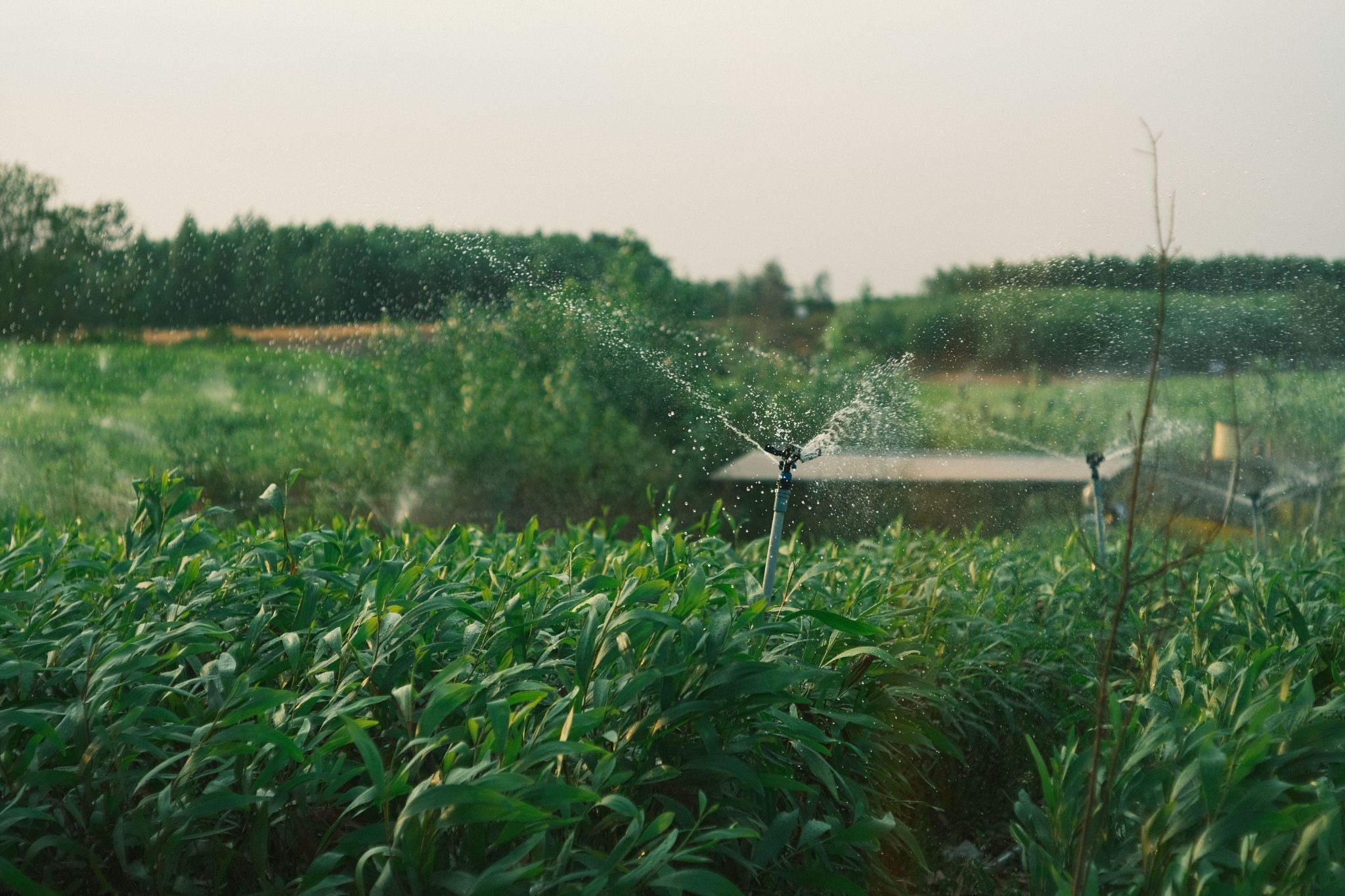
- Irrigation timing over irrigation volume: Overwatering doesn’t just waste water; it leaches nutrients straight past the root zone. Assured, well-timed irrigation, rather than simply more irrigation, is now recognised as one of the biggest levers for closing India’s crop yield gap without extra fertiliser.
- Real-time market and advisory access: Knowing current mandi prices, weather patterns, and localised crop advisories before making a purchase decision prevents panic-buying of inputs and helps farmers time sowing, spraying, and harvesting far more efficiently.
Where agribazaar fits in
agribazaar connects farmers to timely knowledge and the right tools rather than just more input volume.
- Agribhumi for crop-specific advisory content to guide input & farm decisions
- Fertiliser calculator for right-sized dosage instead of over-applying
- Mandi prices for real-time price movements so farmers can plan input spending with more confidence
- Online marketplace for transparency and better market linkages
All aimed at helping farmers get more from every rupee they already spend, not asking them to spend more.
Higher crop yield doesn’t have to come from a bigger input bill. It comes from smarter timing, better information, and using inputs the way the soil and the crop actually need them.
FAQs
- Can soil testing really reduce my fertiliser costs?
Yes. Soil testing identifies exactly which nutrients your soil lacks, so you stop buying and applying fertilisers your field doesn’t need (often the single biggest cost-saver available to a farmer). - What is Nitrogen Use Efficiency (NUE) and why does it matter?
NUE measures how much of the nitrogen you apply actually gets used by the crop. Low NUE means wasted fertiliser and wasted money, even if your total input spend is high. - Does split application of fertiliser actually increase crop yield?
Yes. Applying fertiliser in smaller doses at key crop growth stages, rather than all at once, improves nutrient absorption and reduces losses from leaching or evaporation. - Is nano urea a reliable substitute for conventional urea?
Nano urea is increasingly used to supplement or reduce conventional urea use, with several formulations designed to improve uptake efficiency at lower application volumes. It works best as part of a balanced nutrient plan, not a standalone fix. - How can I access real-time crop advisory without extra cost?
agribazaar’s Agribhumi and Fertiliser Calculator are designed to give farmers free, localised advisory and dosage guidance, helping reduce guesswork before every input purchase.