 Jyoti Sharma
September 30, 2026
Jyoti Sharma
September 30, 2026
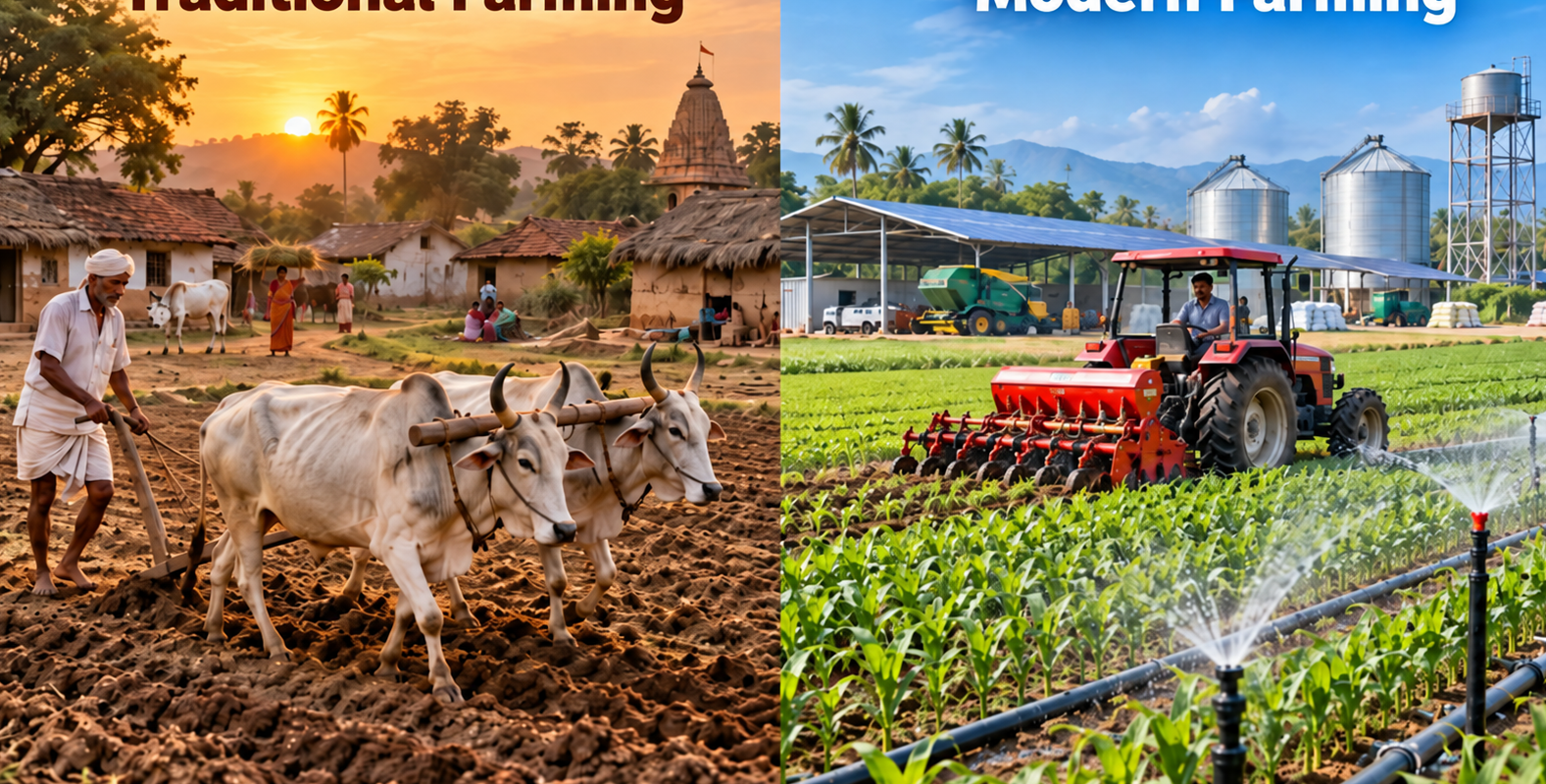
Indian agriculture is developing along two tracks at once. Farmers continue to rely on generations of practical knowledge, while satellite imagery, artificial intelligence, mechanisation, digital advisories and online marketplaces are becoming increasingly relevant to farm management.
The scale of this digital shift is already visible. As of 2026, more than 8.48 crore Farmer IDs had been generated under AgriStack, creating a digital foundation around farmer identity, land and crop information. This makes the comparison between Traditional Farming and Modern Farming less about replacing one with the other and more about understanding how different approaches address today’s agricultural challenges.
What is Traditional Farming?
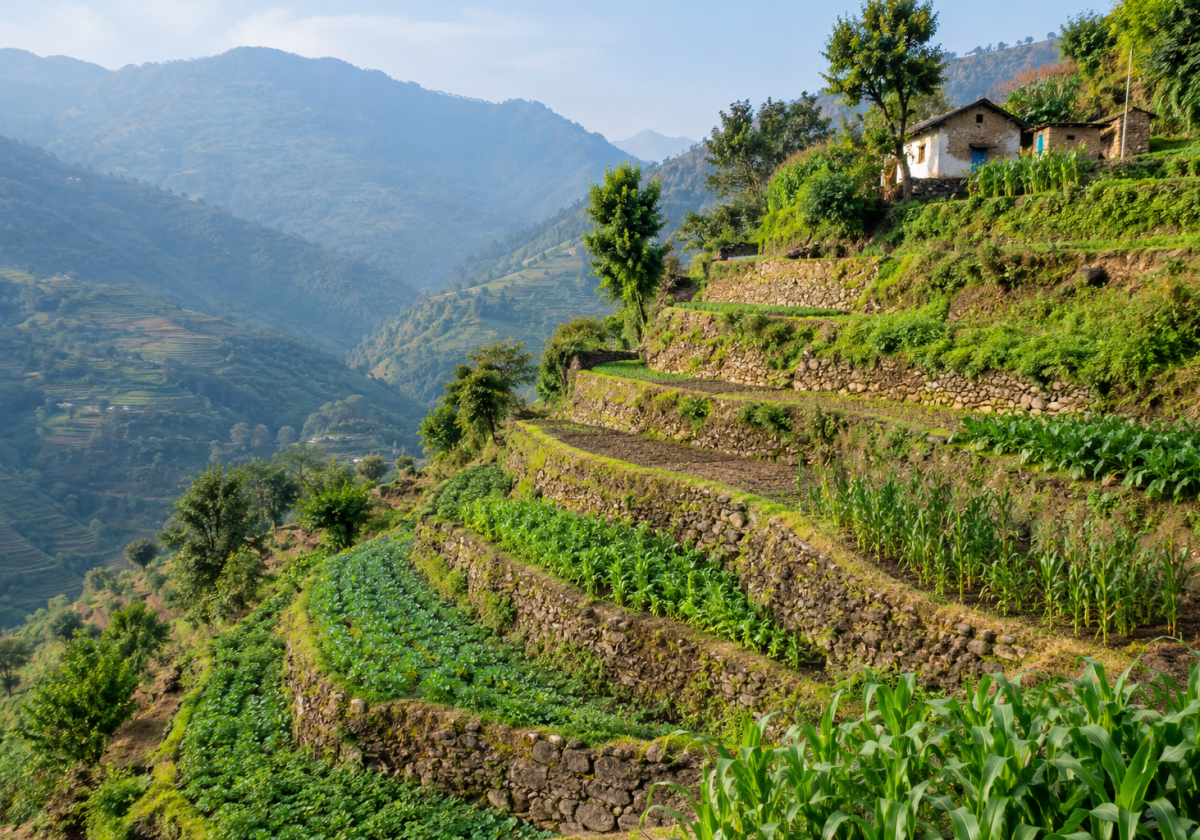
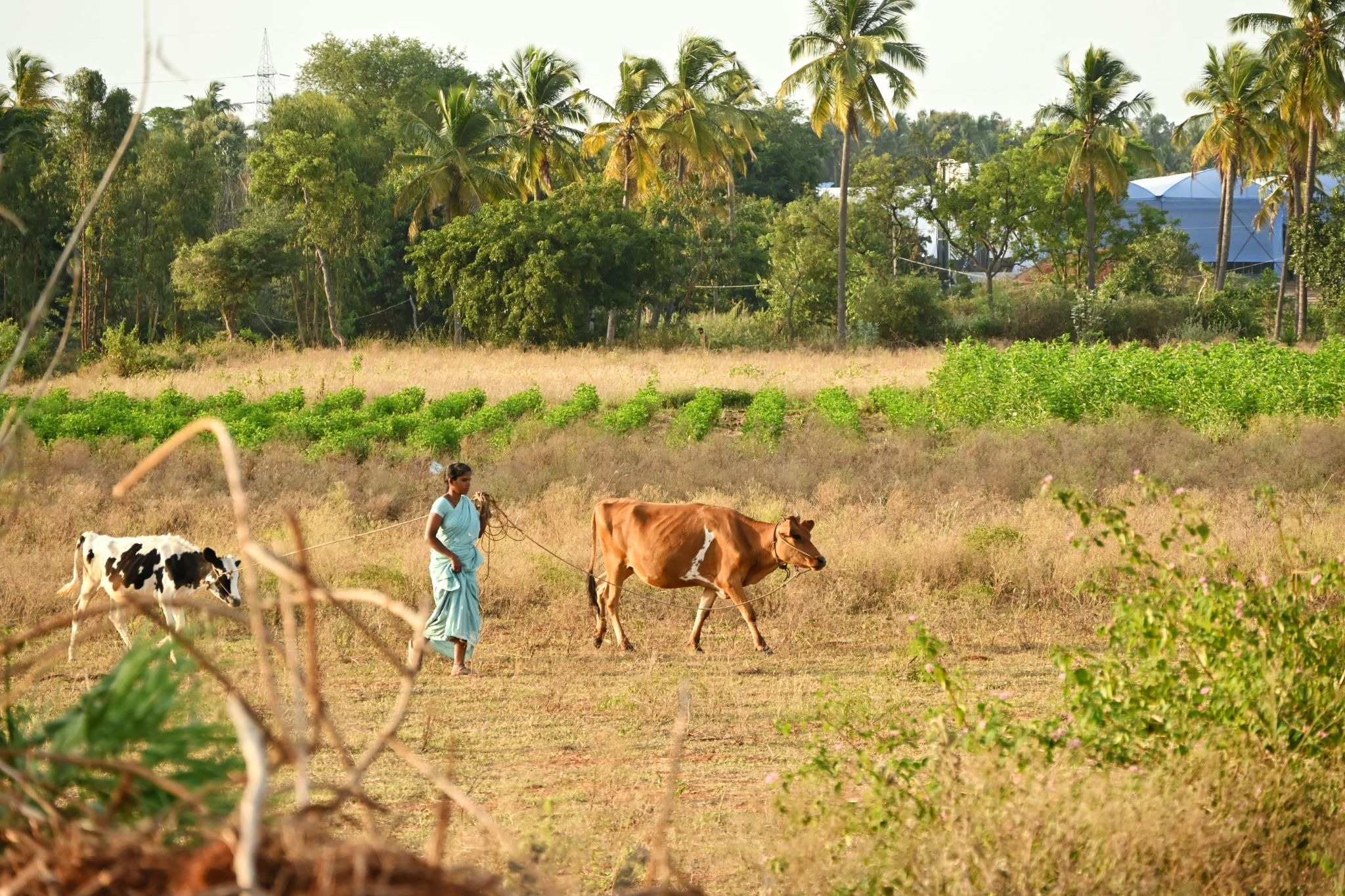
Traditional farming is built around established practices, local knowledge, seasonal experience and direct observation of the farm.
Farmers may determine sowing dates, irrigation requirements, pest-control measures and harvesting schedules based on years of experience with local soil, crops and weather patterns. This knowledge remains particularly valuable in regions where agricultural conditions vary considerably from one location to another.
Traditional methods can also be relatively accessible because they do not necessarily depend on sophisticated machinery, connectivity or digital infrastructure. However, traditional farming can face limitations when conditions become less predictable. Climate variability, labour shortages, rising input costs and changing market conditions can make decisions based purely on observation more difficult.
What is Modern Farming?
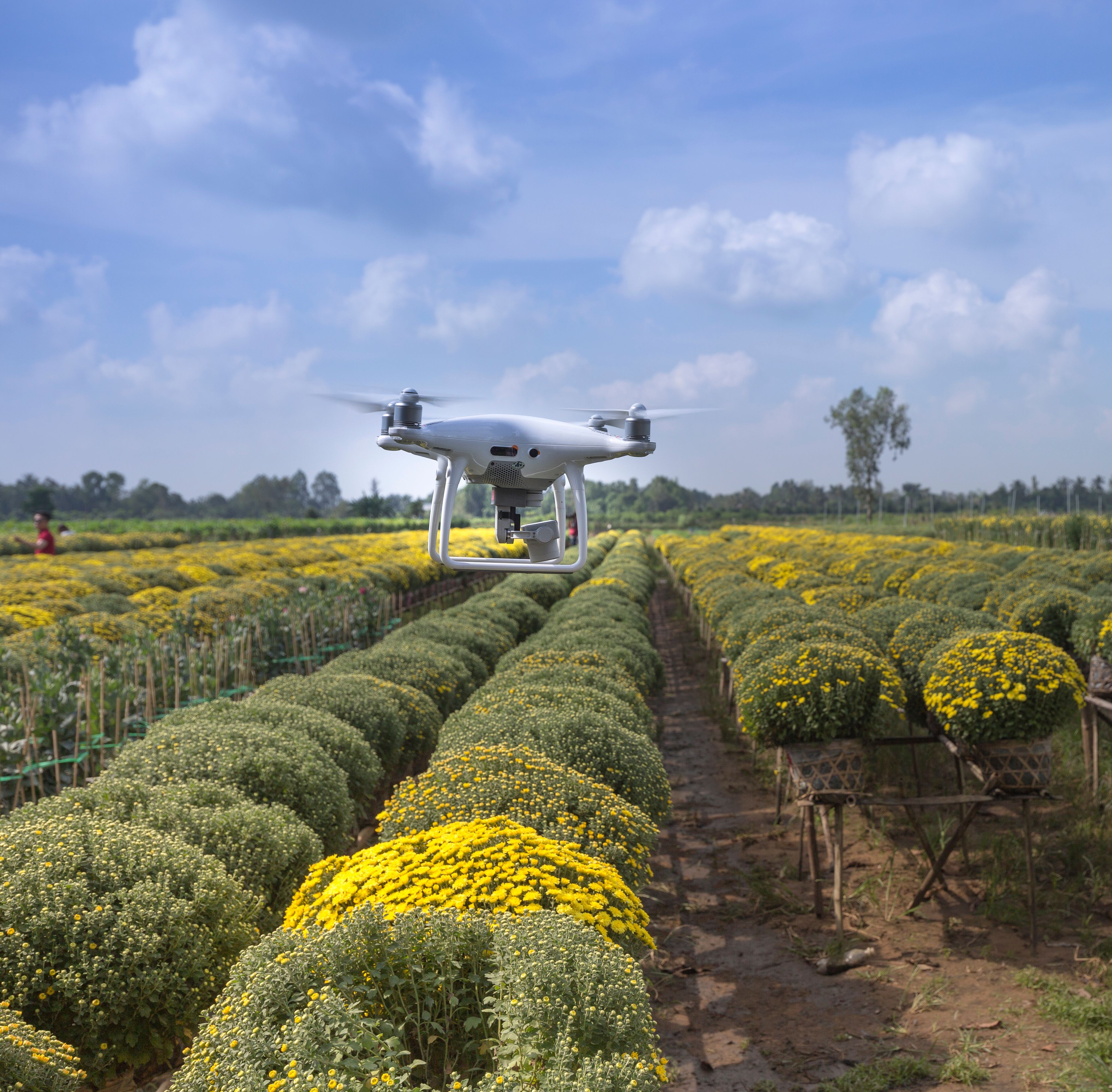
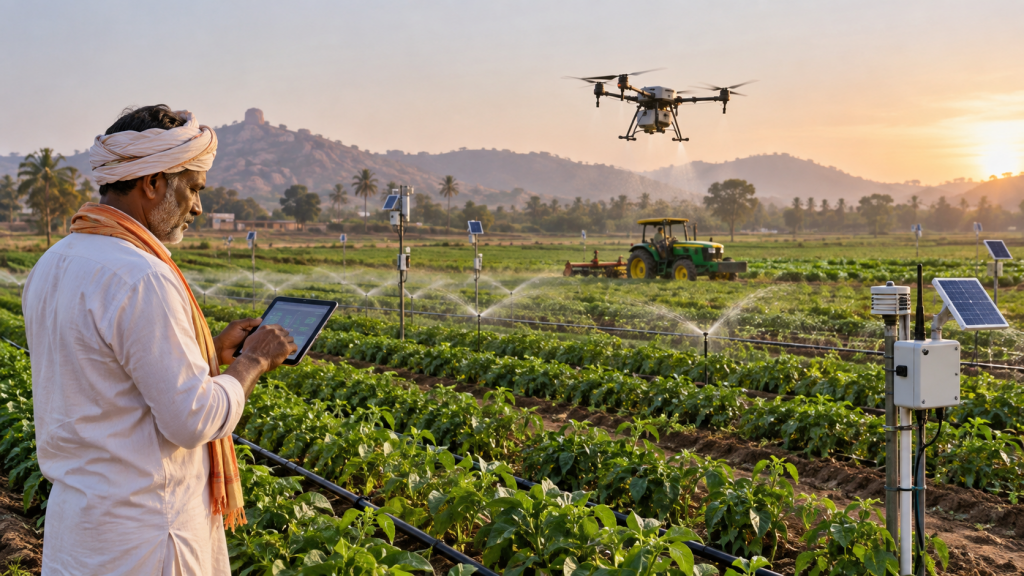
Modern farming combines agricultural experience with technology and data. It can include precision agriculture, satellite monitoring, artificial intelligence, GIS, IoT devices, drones, automated machinery, digital weather information and online marketplaces.
India’s Digital Agriculture Mission, approved with an outlay of ₹2,817 crore, is designed to build a digital agriculture ecosystem and includes infrastructure such as AgriStack and the Krishi Decision Support System. The change is therefore happening at both the farm and ecosystem level.
Traditional Farming vs Modern Farming: Key Differences
| Basis of Comparison | Traditional Farming | Modern Farming |
| Decision-Making | Relies mainly on farmer experience, local knowledge and field observation. | Combines farmer experience with data from weather tools, satellite imagery, AI & digital advisories. |
| Technology Use | Uses limited machinery and fewer digital tools. | Uses technologies such as AI, GIS, IoT, drones, satellite monitoring and automated machinery. |
| Crop Monitoring | Requires regular physical inspection of fields. | Uses remote sensing, satellite imagery & digital monitoring to assess crop health. |
| Resource Management | Inputs such as water, fertilisers and pesticides are often applied according to established practices. | Uses precision farming and data-based recommendations to apply inputs more efficiently. |
| Labour Requirement | Generally depends more on manual labour and traditional farming skills. | Uses mechanisation and automation to reduce manual effort and improve productivity. |
| Market Access | Often depends on local traders, mandis and established market relationships. | Uses digital marketplaces, online price information and e-trading platforms. |
| Cost of Adoption | Usually requires lower initial investment in technology and equipment. | May require higher investment in machinery, connectivity, software and digital infrastructure. |
| Scalability | Can be difficult to scale when operations depend heavily on manual processes. | Supports larger-scale operations through automation, data management & connected systems. |
| Climate Response | Relies largely on historical experience and local observations. | Uses weather forecasting, climate data and predictive analytics to support timely decisions. |
| Key Strength | Strong understanding of local soil, crops, seasons and farming conditions. | Greater precision, monitoring, efficiency, connectivity and access to information. |
| Main Challenge | Can be affected by unpredictable weather, labour shortages and limited market information. | Adoption can be affected by cost, connectivity, digital literacy and access to suitable technology. |
The Government’s 2026 assessment of AI in agriculture highlights the growing scale of these applications. Its National Pest Surveillance System covers 66 crops and more than 432 pest types, while an AI-based monsoon forecasting pilot reached 3.88 crore farmers across 13 states for Kharif 2025.
How agribazaar Supports Modern Agriculture
agribazaar combines digital commodity trading with crop intelligence, market information and precision agriculture solutions. Its services include IoT-based farm management, AI/ML/GIS-based crop assessment, crop monitoring, agricultural advisory, quality assessment, e-Mandi, marketplace services and AgriPay.
Its AgriBhumi platform uses satellite imagery and machine learning for applications including crop identification, acreage estimation, crop-history analysis and yield forecasting. The platform also enables remote field monitoring and near-real-time change detection. These capabilities demonstrate how modern farming can complement, not necessarily replace, the knowledge farmers have built over generations.
Where farming is headed
The future of agriculture is unlikely to be defined by a simple choice between traditional and modern methods. The more practical direction is integration. Farmers can combine local knowledge with satellite-backed crop information, use experience alongside weather intelligence, and pair an understanding of local markets with digital price discovery. Traditional farming provides the foundation. Modern farming adds new layers of information, precision and connectivity.
Together, they can support an agricultural system that is better equipped to respond to changing farm, climate and market conditions.
FAQs
- What is the main difference between traditional farming and modern farming?
Traditional farming relies primarily on established practices, local knowledge and field observation, while modern farming combines these with technology, data, machinery and digital tools. - Is traditional farming still relevant?
Yes. Local knowledge about soil, crops, weather and farming practices remains valuable and can complement technology-based agricultural decision-making. - What technologies are used in modern farming?
Modern farming can use AI, satellite imagery, GIS, IoT, drones, remote sensing, precision machinery, weather data and digital marketplaces. - What are the main challenges of modern farming?
Technology adoption can be affected by costs, connectivity, digital literacy, fragmented landholdings, infrastructure and access to suitable equipment. - How does agribazaar support modern farming?
agribazaar offers solutions including AgriBhumi, AI/ML/GIS-based crop assessment, IoT-based farm management, crop monitoring, agricultural advisory, e-Mandi, marketplace services and AgriPay.
Disclaimer
The content published on this blog is provided solely for informational and educational purposes and is not intended as professional or legal advice. While we strive to ensure the accuracy and reliability of the information presented, agribazaar make no representations or warranties of any kind, express or implied, about the completeness, accuracy, suitability, or availability with respect to the blog content or the information, products, services, or related graphics contained in the blog for any purpose. Any reliance you place on such information is therefore strictly at your own risk. Readers are encouraged to consult qualified agricultural experts, agronomists, or relevant professionals before making any decisions based on the information provided herein. agribazaar, its authors, contributors, and affiliates shall not be held liable for any loss or damage, including without limitation, indirect or consequential loss or damage, or any loss or damage whatsoever arising from reliance on information contained in this blog. Through this blog, you may be able to link to other websites that are not under the control of agribazaar. We have no control over the nature, content, and availability of those sites and inclusion of any links does not necessarily imply a recommendation or endorsement of the views expressed within them. We reserve the right to modify, update, or remove blog content at any time without prior notice.