 Jyoti Sharma
October 15, 2026
Jyoti Sharma
October 15, 2026
Organic farming is gaining ground in India as farmers, consumers, and agribusinesses seek more sustainable ways to produce food. This type of farming avoids the use of synthetic fertilisers and pesticides and relies on natural inputs, compost, crop rotation, biological pest management and soil conservation. It is trying to keep soil healthy, promote biodiversity, and create a more balanced agricultural ecosystem.
The different agro-climatic conditions in India provide scope for the production of organic cereals, pulses, oilseeds, spices, tea, and other crops. But organic farming success is not simply a matter of swapping chemical inputs for natural ones. Farmers also need dependable crop information, markets that work, transparent pricing, and access to buyers who value certified organic produce.
Digital agricultural platforms can help bridge these gaps by providing farmers with relevant information and market opportunities.
Industry Data: Organic Farming in India
According to the Agricultural and Processed Food Products Export Development Authority (APEDA), India recorded approximately 27.65 lakh hectares under organic cultivation and conversion during FY 2025–26, along with 17.55 lakh hectares under wild collection. Organic farm production reached approximately 21.68 lakh metric tonnes, while organic exports stood at 3.03 lakh metric tonnes, valued at ₹5,423.76 crore (approximately US$635.10 million).
These numbers are indicative of the scale of India’s organic production and export ecosystem. APEDA implements the National Program for Organic Production (NPOP) for standards of organic production, certification, and marketing. India Organic certification can help producers demonstrate compliance with recognised production standards and access eligible markets.
Certification and commercial success, however, are two different milestones. Farmers also have to consistently produce high-quality produce, manage the cost of production, and have the right buyers to get value for organic produce.
Benefits and Practices of Organic Farming
Organic farming offers several potential environmental and economic benefits when practices are adapted to local conditions.
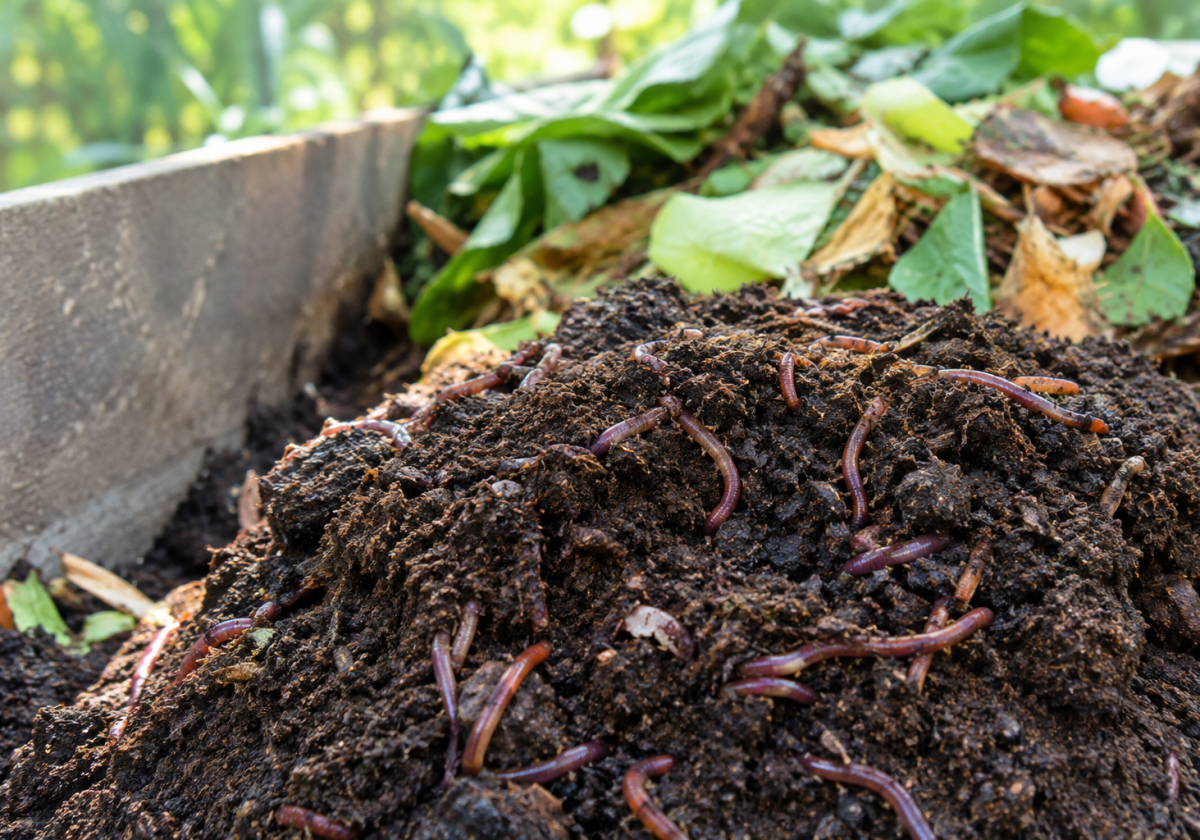
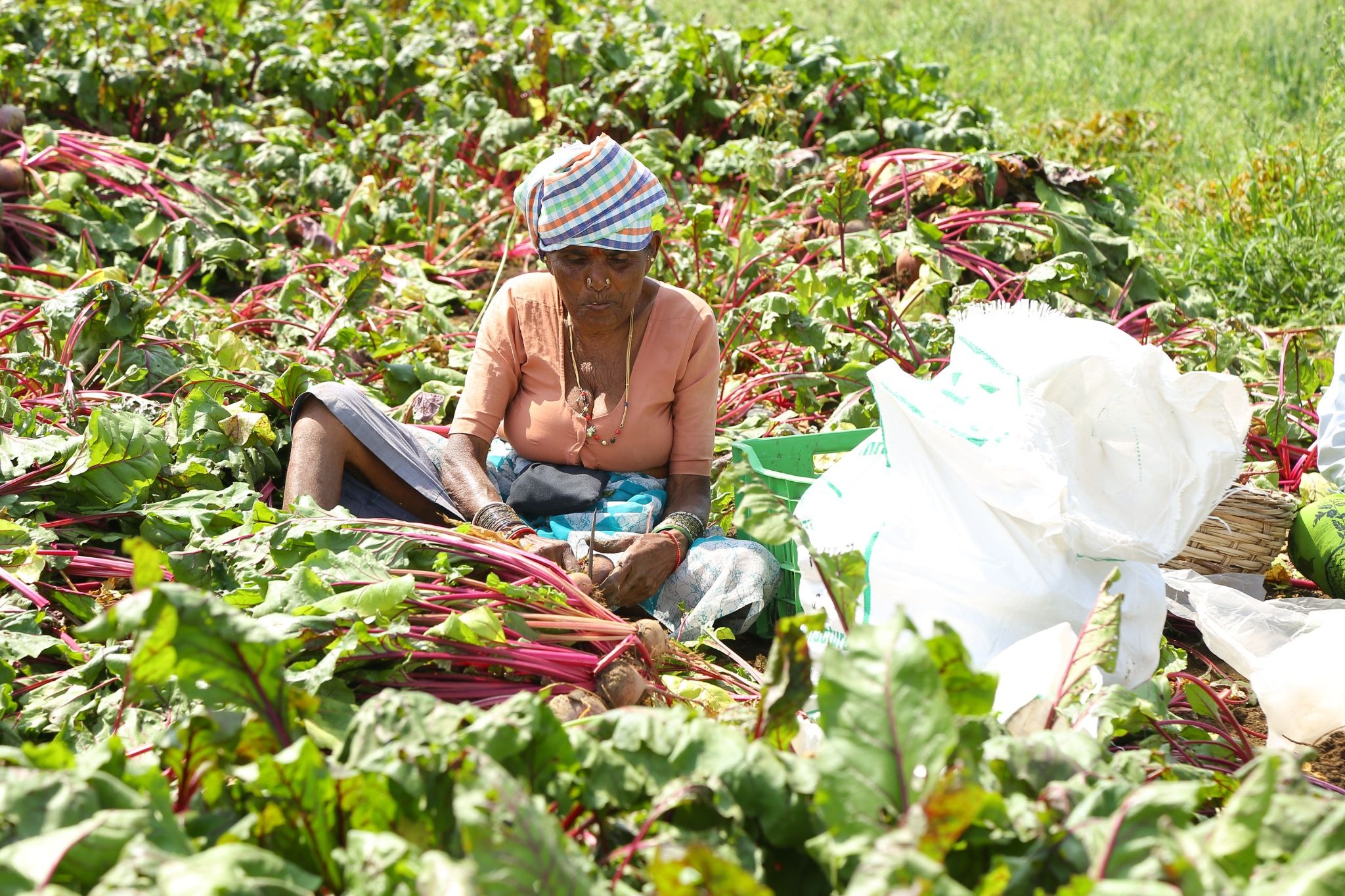
- Improved soil health: Compost, farmyard manure, green manuring, and crop residues add organic matter to the soil. Over time, these practices can improve soil structure, water retention, and biological activity.
- Efficient nutrient management: Crop rotation, legume cultivation and biofertilisers can support nutrient cycling and reduce dependence on synthetic fertilisers. Farmers must still ensure that crops receive sufficient nutrients for healthy growth.
- Biological pest control: Neem-based products, traps, beneficial organisms, and integrated pest management can help control pests. Regular crop monitoring is important because organic farming does not eliminate pest or disease risks.
- Greater crop diversity: Intercropping and diversified crop rotations can improve resilience and reduce dependence on a single crop. These practices can also support beneficial insects and soil organisms.
- Market differentiation: Certified organic produce may appeal to consumers and buyers seeking traceable products. However, price premiums depend on demand, certification, product quality, and the availability of suitable buyers.
Challenges Facing Organic Farmers
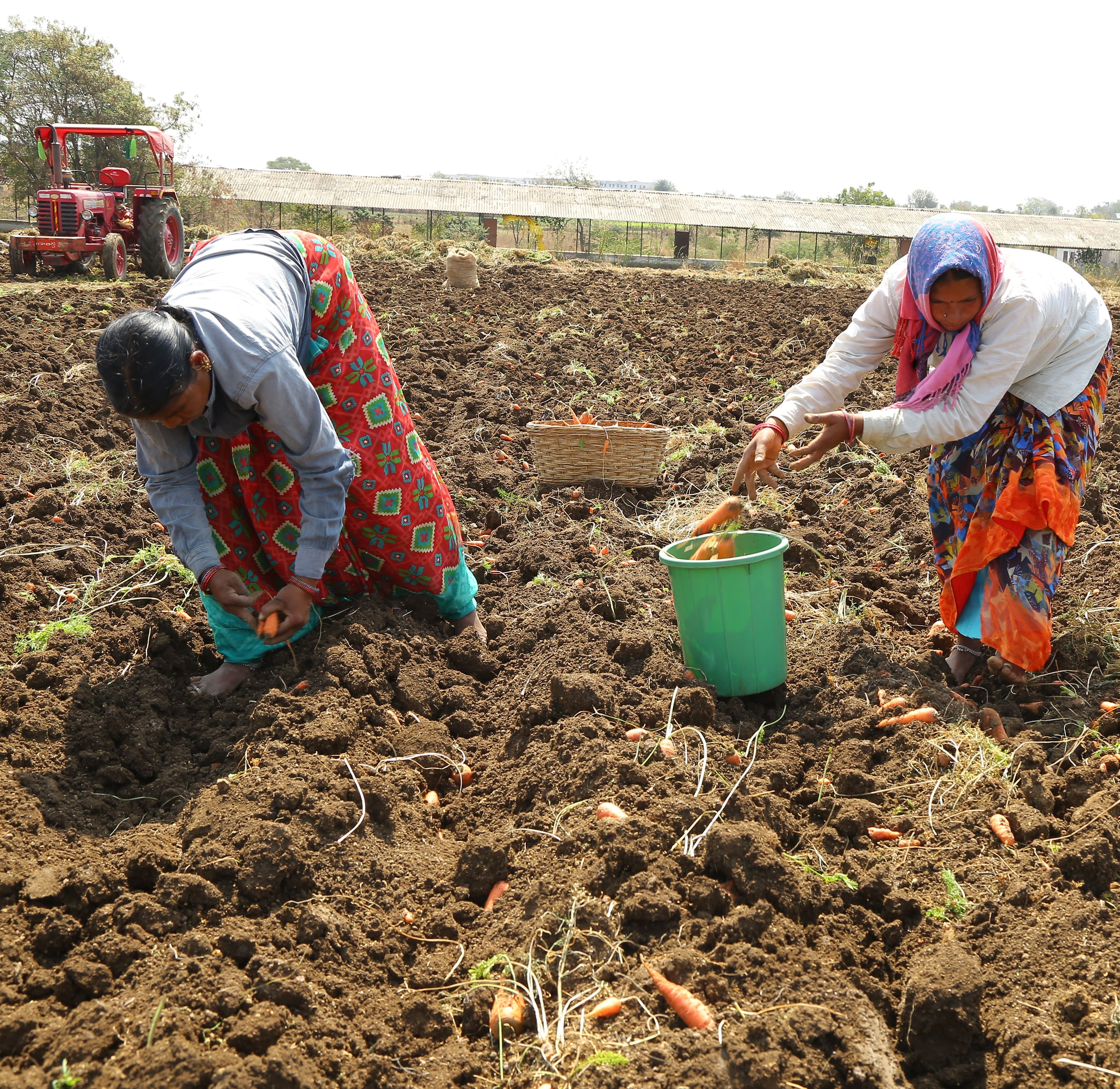
The transition to organic farming can be difficult, particularly for small and marginal farmers. Soil fertility and yields may take time to stabilise after conventional inputs are discontinued. During this period, lower or variable output can affect farm income.
Access to organic inputs is another concern. Farmers may lack access to locally available compost, approved biological products, or technical guidance on application rates. Preparing farm-based inputs also requires labour, time and suitable resources.
Certification can involve record-keeping, inspections, and compliance costs. Group certification can help eligible smallholders share certain costs, but producers still need to maintain the required practices and documentation.
Marketing presents a further challenge. Organic produce can lose its commercial advantage when it is mixed with conventional produce, poorly stored, or sold without adequate buyer verification. Farmers may also struggle to identify reliable buyers and compare prices across markets.
How agribazaar Can Support Organic Farming
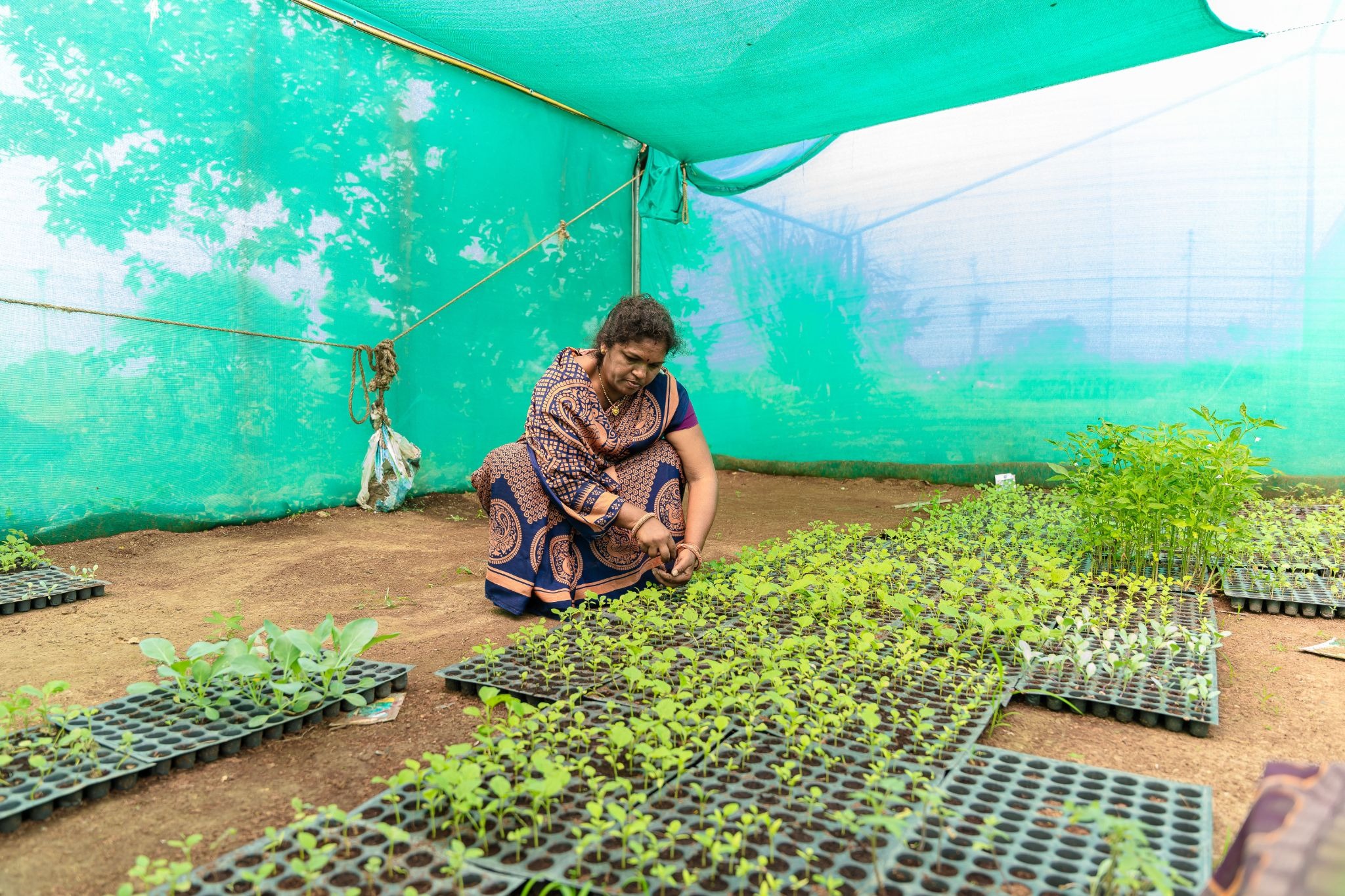
agribazaar is a technology-enabled agritech marketplace that connects agricultural participants through digital market access, crop information and data-led agricultural solutions. Its online agri marketplace can help farmers and traders discover trading opportunities, connect with potential buyers, and improve price discovery. Better access to market information can help organic producers make more informed selling decisions rather than relying entirely on local demand. Mandi price information and digital trading can help farmers assess prevailing market conditions and compare available opportunities. Transparent digital transactions can also improve visibility across the trading process.
agribazaar’s crop advisory, Crop Doctor, and AgriKnow resources can support farmers with crop-related information and guidance. These resources can complement local agronomic advice when farmers are planning crop nutrition, monitoring crop health, or evaluating suitable farming practices.
AgriBhumi, agribazaar’s satellite-based acreage estimation, remote sensing, GIS capabilities, and Farm Scorecard can contribute to data-led agricultural assessment. Such tools can support crop monitoring and agricultural planning, although organic certification itself must follow the applicable certification process.
The platform provides agricultural data and digital capabilities that can help stakeholders make more informed decisions. Combined with marketplace access, these solutions can support better coordination between production and market requirements.
Technology does not replace organic certification, local agronomic expertise, or responsible farm management. Instead, it can help address information and market-access gaps that make the transition more difficult.
Conclusion: The Future of Organic Farming in India
The future of organic farming in India will depend on making sustainable production commercially viable. Better soil management, appropriate certification, reliable market linkages and access to practical agricultural information will be essential for long-term adoption.
agribazaar contributes by improving market discovery, crop information, and price transparency. As data-led agriculture develops, connecting farm-level decisions with market demand can help organic producers build more resilient and competitive businesses.
FAQs
- What is organic farming in India?
Organic farming is an agricultural approach that uses natural nutrient sources, crop rotation, biological pest management, and soil-conservation practices while following applicable organic standards. - What are the main benefits of organic farming?
Potential benefits include improved soil health, greater biodiversity, better nutrient cycling, and access to specialised markets for qualifying organic produce. - What are the major challenges of organic farming in India?
Common challenges include transition-period yield variability, input availability, certification costs, pest management, and limited access to reliable buyers of organic produce. - Is certification necessary to sell produce as organic?
Certification requirements depend on the intended market and applicable regulations. Producers should check the relevant Indian standards and certification requirements before making organic claims. - How can agribazaar support organic farmers?
agribazaar offers digital marketplace access, mandi price information, crop advisory resources, and data-led agricultural solutions to help farmers improve market discovery and agricultural decision-making.
Disclaimer
The content published on this blog is provided solely for informational and educational purposes and is not intended as professional or legal advice. While we strive to ensure the accuracy and reliability of the information presented, agribazaar make no representations or warranties of any kind, express or implied, about the completeness, accuracy, suitability, or availability with respect to the blog content or the information, products, services, or related graphics contained in the blog for any purpose. Any reliance you place on such information is therefore strictly at your own risk. Readers are encouraged to consult qualified agricultural experts, agronomists, or relevant professionals before making any decisions based on the information provided herein. agribazaar, its authors, contributors, and affiliates shall not be held liable for any loss or damage, including without limitation, indirect or consequential loss or damage, or any loss or damage whatsoever arising from reliance on information contained in this blog. Through this blog, you may be able to link to other websites that are not under the control of agribazaar. We have no control over the nature, content, and availability of those sites and inclusion of any links does not necessarily imply a recommendation or endorsement of the views expressed within them. We reserve the right to modify, update, or remove blog content at any time without prior notice.