 Jyoti Sharma
October 28, 2022
Jyoti Sharma
October 28, 2022
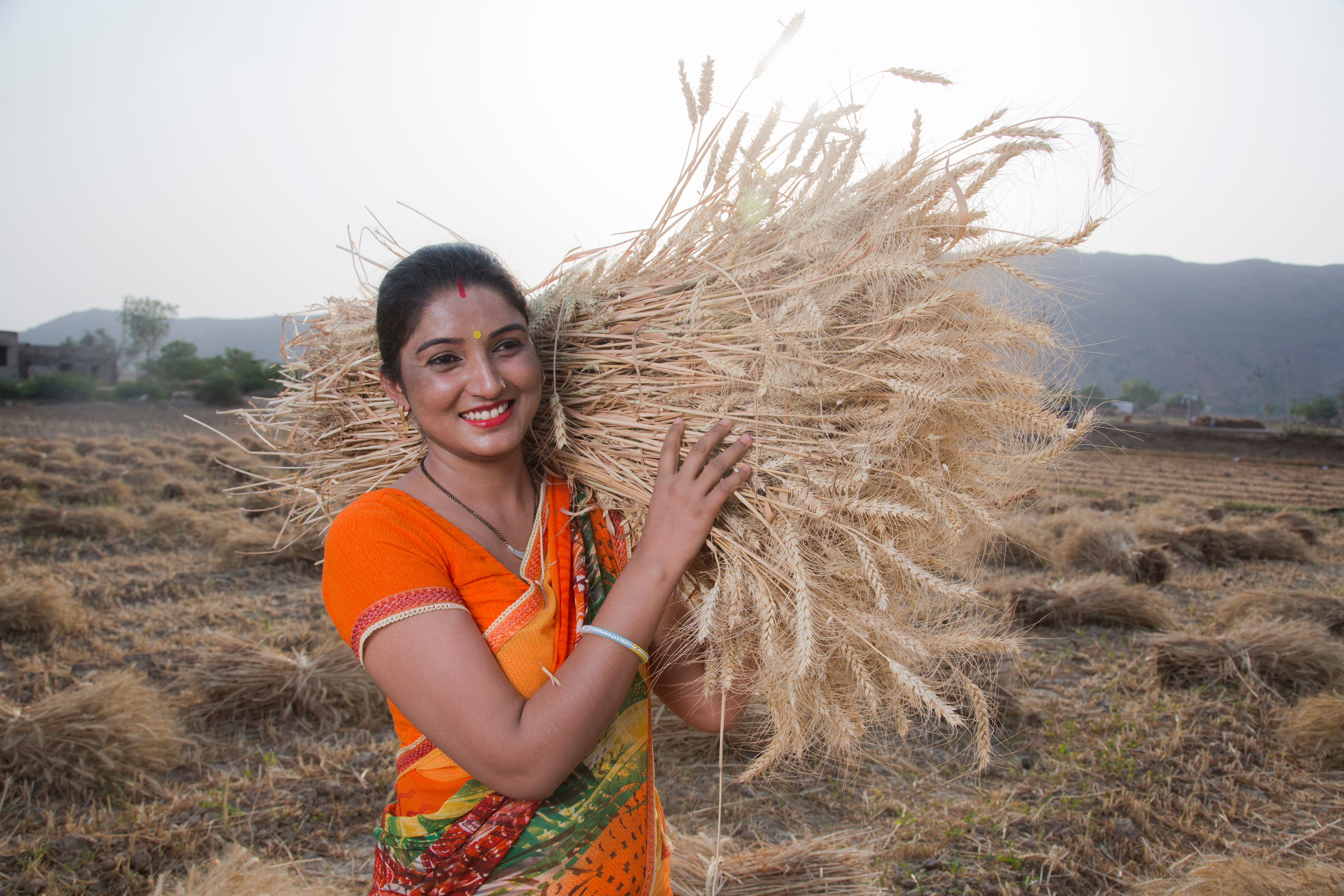
India’s livestock sector is the world’s largest livestock production system and over 70% of livestock work is done by women. In India, the percentage of women who depend on agriculture for their livelihood is as high as 84% with about 47% in tea plantation; almost 47% in cotton cultivation; 45% in growing oil seeds, and around 39% in vegetable production.
In spite of their large existence and contribution, women farmers have less access to inputs (seeds, fertilizer, labor, and finance), critical services (training, insurance), and organized markets compared to their male counterparts.
Research has consistently shown that unfairness in access to resources impacts both the economic well-being of women farmers as well as the overall agri output of the country. The FAO (Food and Agriculture Organisation) of the United Nations estimates that women would increase the yields on their farms by 20-30% if they were to have the same access to productive resources as men, and this would end up growing at least 2.5–4% to the total agricultural output in many countries.
Why the inequality?
One of the key reasons for the imbalance is land ownership. With less than 8% of women farmers who own land, they often end up farming without being categorized as farm owners or landowners. Women also often own land that has inferior soil to their male counterparts, becoming a fundamental requirement for addressing the inequalities.
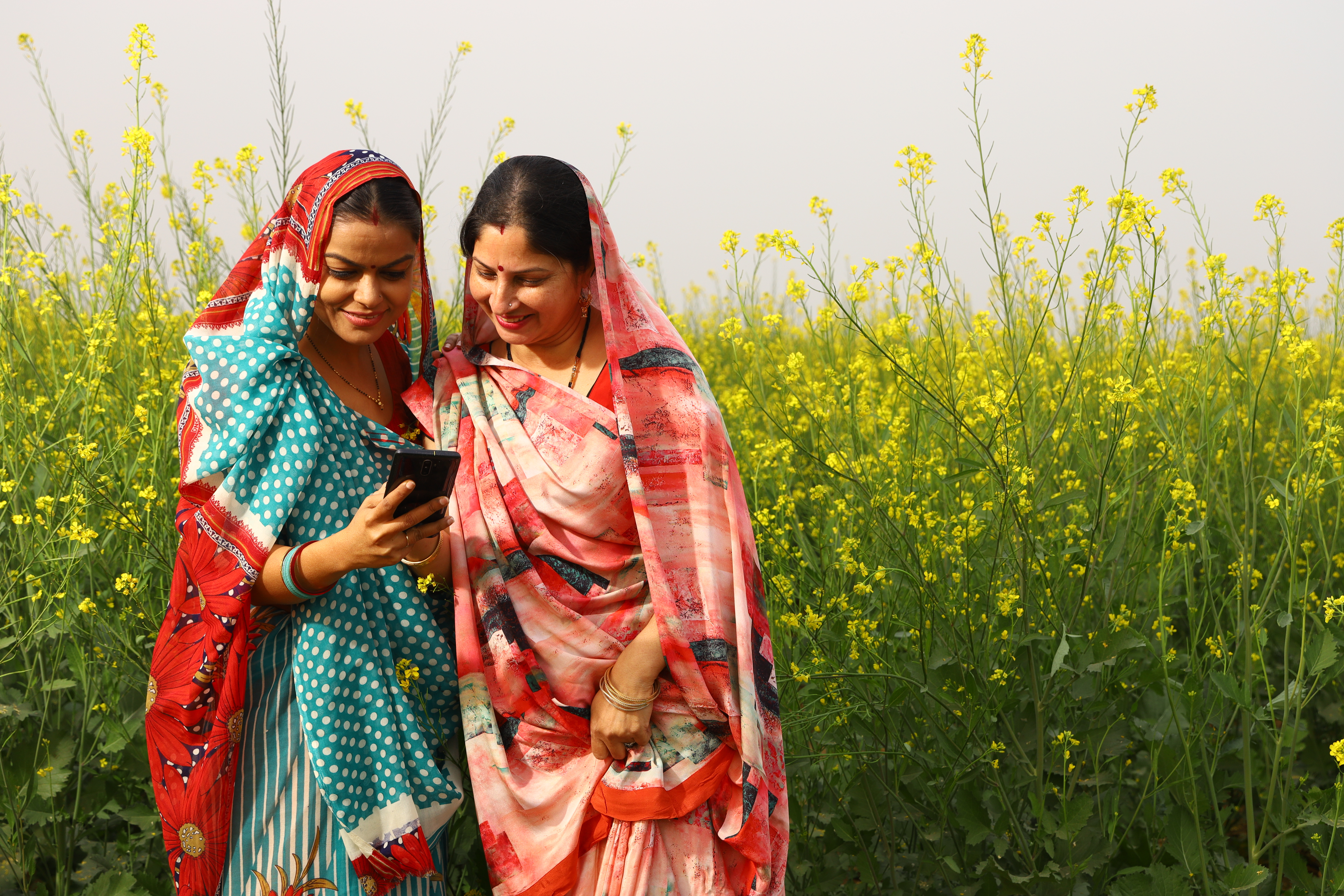
The second factor is markets as they’re the ultimate reason for farming. Digital technologies are increasingly becoming important to connect farmers directly with markets. Smartphones are very convenient & important tools in farming – to buy, sell, report, debate, transfer money, claim insurance. However, across many developing countries, women are 10% less likely to own a smartphone than men, and 313 million fewer women than men use the internet. Hence, social inequalities are often turned into digital inequalities.
What has been done?
The Centre’s recent initiative of aggregating Farmer Producer Organisations (FPOs) is an impactful measure for addressing some of these basic challenges of lack of agency, price inequalities, and women’s involvement in production and market systems. Over the years, FPOs have shown the prospect to create value across different post-harvest stages like harvesting, processing, storage, and market linkages. There has also been growing evidence that FPOs have been influential in driving enhanced market access, bargaining capacity, collectivity, and decreased trading costs for women farmers.
The success of the FPO model and the success stories of women-owned FPOs are starting to evolve as a very positive trend. For example in Bihar, the JEEViKA program has brought over 200,000 women small-farmers together into commodity-based FPOs. These FPOs have achieved higher turnover by 20-30% and successfully marketed grains, fruits, and vegetables.
What more could be accomplished?
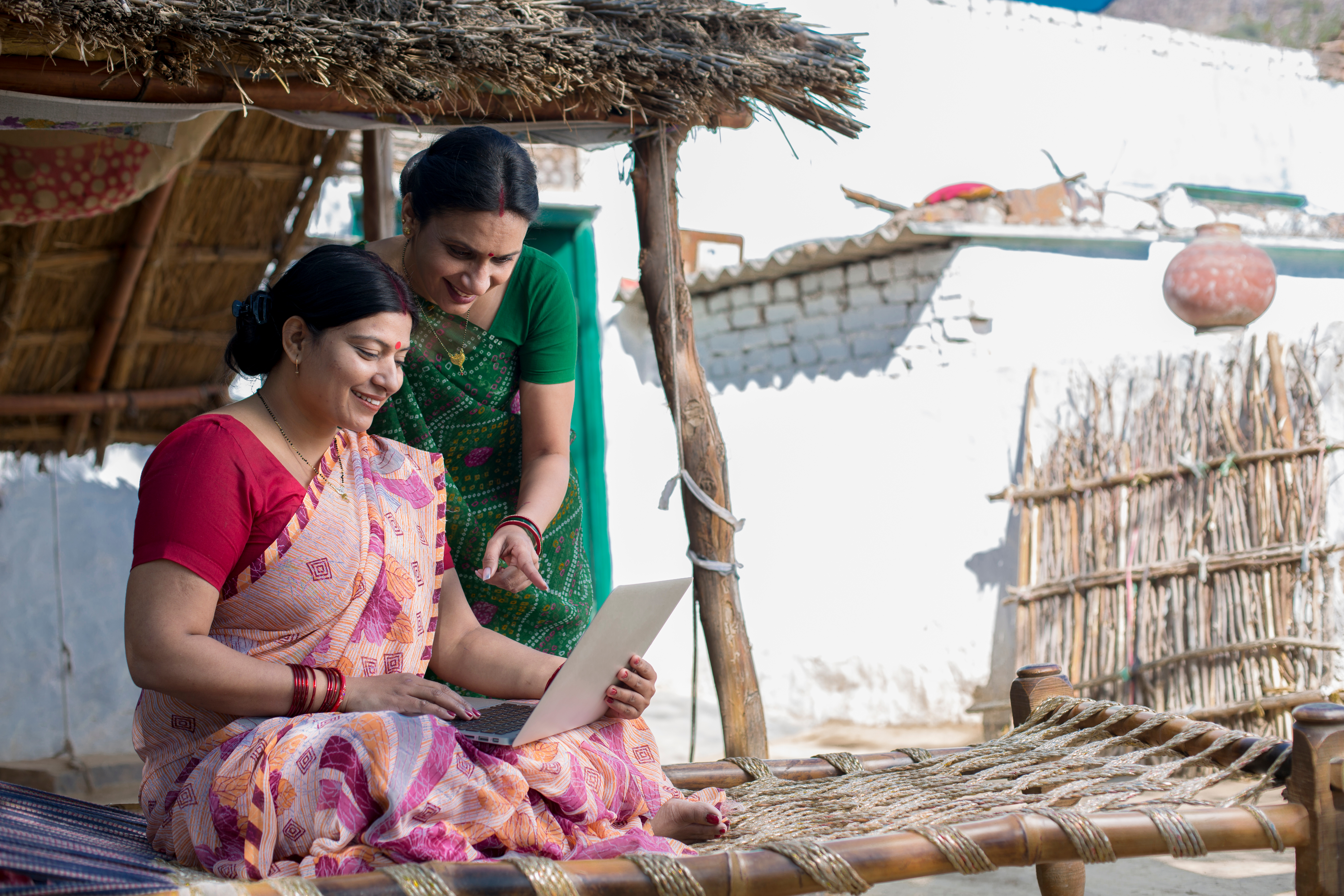
A gender-specific and gender-sensitive strategy in terms of the adaption of best agricultural practices, and handling structural inequalities is essential to realize the enormous potential of women farmers. The objective of “doubling farmers’ income” can be executed by a capable and skilled women workforce.
Empowerment of women’s workforce by ensuring equal access and opportunity will lead to a foundational transformation in India’s rural agricultural economy, improving the lives of millions!

 Connect With Us
A digital goods marketplace is an online stage that enables individuals or businesses to buy, tattle on, and clientele digital goods. Digital goods are ethereal products that can be delivered electronically, such as software, music, e-books, photos, videos, online courses, and Top Affiliate Programs art.
Digital goods marketplaces can be designed object of restricted characteristic of types of digital products, such as a stage for selling stock photos, or they can be more customary, sacrifice a wide multiplicity of digital products. Examples of digital goods marketplaces comprise Etsy for digital craftiness and skill items, Udemy on online courses, and Amazon for e-books and music.
Digital goods marketplaces furnish a at one’s fingertips way for sellers to reach a large audience and for buyers to identify a inclusive breed of products in everyone place. They typically get ready for tools appropriate for sellers to record their products, make out inventory, and modify payments. Buyers can flip and search in the interest of products, peruse reviews, and prevail upon purchases securely using a variety of payment methods.
Joined of the advantages of digital goods marketplaces is that they instances put on the market a manner in the service of sellers to earn passive income sooner than creating and selling digital products now, while buyers can enjoy immediate access to the products they procurement without having to wait instead of shipping. Nevertheless, digital goods marketplaces also bite on the bullet challenges such as preventing piracy and ensuring the property of products sold on their platforms.