
 Jyoti Sharma
January 15, 2026
Jyoti Sharma
January 15, 2026
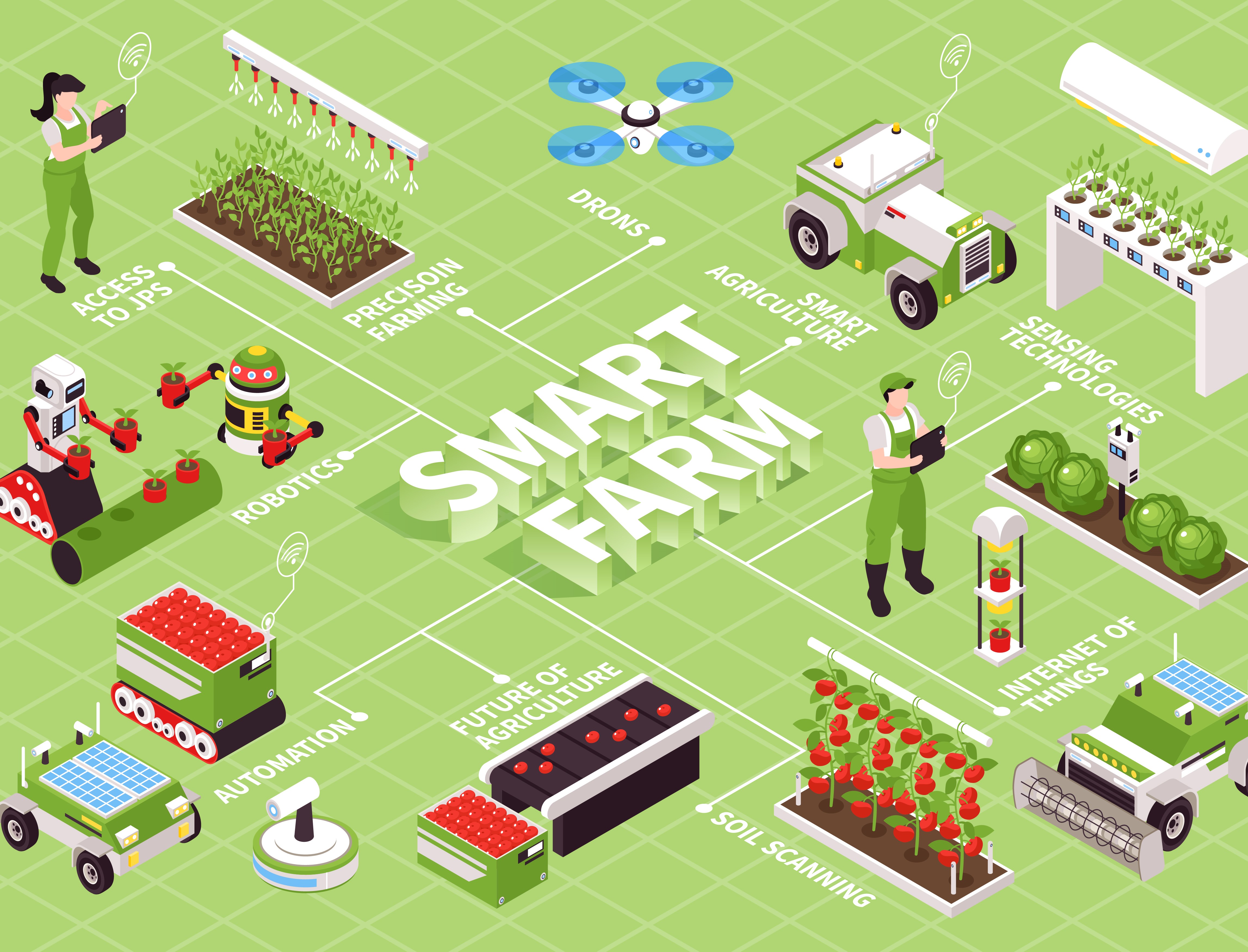
Imagine a world where crops whisper their needs to farmers, telling them exactly when to drink, what nutrients they crave, and where the soil needs help. This isn’t science fiction. It’s precision farming, a smart agriculture revolution transforming fields into data-driven ecosystems. With global food demand rising and climate uncertainty increasing, farmers must cultivate more with less. But how exactly is that possible?
What is precision farming?
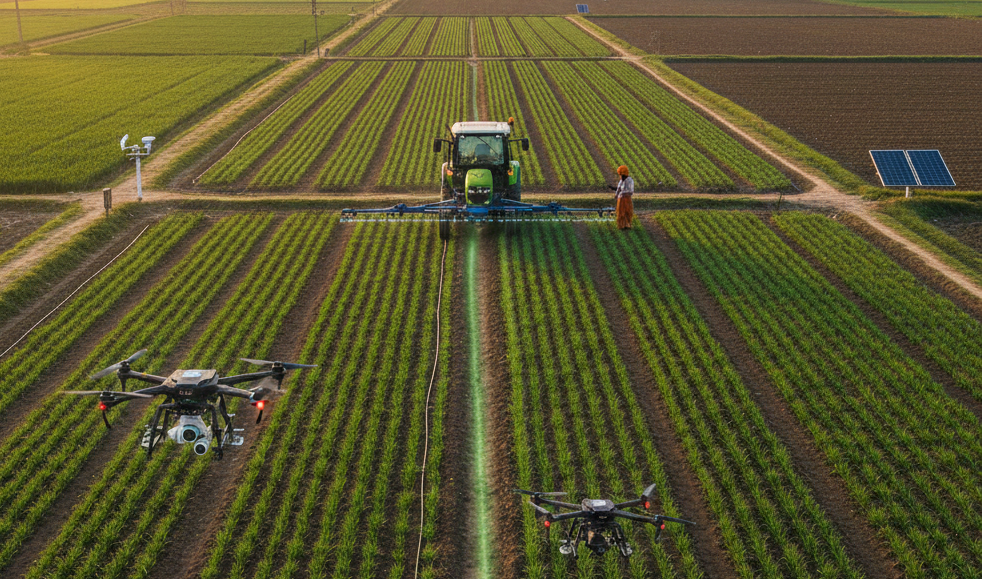
Precision farming (also known as precision agriculture) combines cutting-edge technologies such as sensors, GPS mapping, drones, satellite imagery, and AI analytics to manage crop production at a microscale. Instead of blanket applications of water and fertilisers, it customises care for each part of the field, ensuring crops receive the proper treatment, at the right time, and in the right amount. This targeted approach not only boosts yields and quality but also dramatically improves resource efficiency.
Precision farming market in India: A growth story
India’s precision farming sector is steadily gaining traction as farmers adopt digital tools and innovative machinery. The market in India, valued at USD 334.2 Million in 2025, is projected to reach USD 738.7 Million by 2034, with a CAGR of 9.22% (2026-2034). This growth reflects a broader agritech transformation, enabling farmers to use resources more sustainably and respond faster to environmental challenges.
How precision farming boosts crop yield
- Smarter input management: Precision farming enables site-specific application of inputs, such as water and fertilisers, based on real-time soil and crop conditions. This means nutrients go only where they’re needed, helping plants grow stronger and reducing waste. Studies show yields can increase by 10–30% when precision tools are effectively deployed, compared to conventional practices.
- Real-time monitoring and decision-making: Sensors placed in fields continuously measure soil moisture, temperature, pH levels, and crop health. Farmers receive alerts about stress or nutrient deficiency, allowing them to intervene before problems spread. This proactive monitoring can translate directly into greater productivity per hectare.
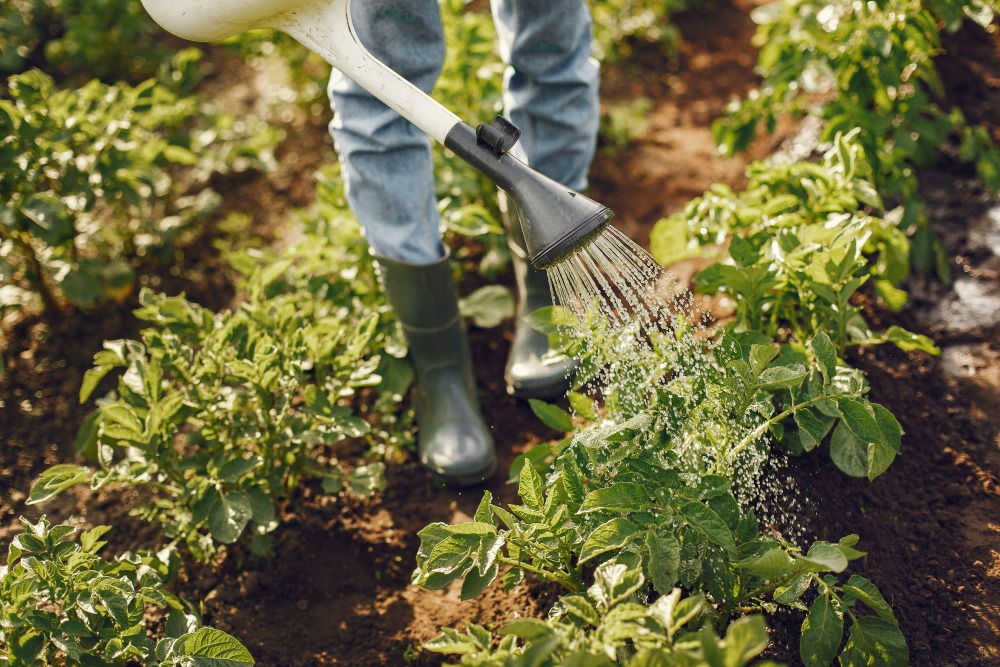
- Efficient water use: Precision irrigation technologies, such as soil moisture sensors and targeted drip systems, ensure water is delivered only where needed, improving yields while cutting water use by up to 40% in some cases. This is especially important in India’s water-sensitive agrarian regions.
Precision farming and improved crop quality
While yields are essential, quality determines market price, shelf life, and consumer acceptance, precision farming helps quality in several key ways:
- Balanced nutrition: By applying the right mix of nutrients at the right time, precision tools help crops develop optimally, improving traits like grain size, protein levels, and fruit sweetness.
- Reduced chemical residues: Targeted pest and disease control reduces unnecessary pesticide use. That means safer produce with lower chemical residues, a significant advantage for health-conscious markets and export-oriented crops.
- Better stress detection: Digital farming tools use advanced imaging and analytics to spot early signs of disease and environmental stress, enabling quicker corrective action and safeguarding both yield and quality.
Economic & environmental advantages
With an increase in output, precision farming boosts profitability and fosters sustainability:
- Lower input costs: Variable-rate technologies can reduce fertiliser, pesticide, and water costs by 20–30%, thereby increasing farmers’ net income.
- Higher profit margins: With more consistent yields and better quality crops, farmers often achieve higher price realisation per quintal.
- Sustainable practices: Less input waste means healthier soils, reduced runoff, and lower environmental impact, aligning with global goals for climate-smart agriculture.
Precision farming in the Indian context
Across India, both large and small farms are beginning to adopt precision farming techniques, from soil testing and drone-based crop monitoring to GPS-guided machinery. Government initiatives such as the Digital Agriculture Mission and support for ag-tech adoption continue to accelerate adoption, especially among youth and technology-driven farming communities.
For cereal crops such as rice and wheat, precision farming techniques, such as variable-rate fertilisation, have shown notable improvements in crop yield and input efficiency, underscoring the value of data-backed farm management in Indian conditions.
How agribazaar enables precision farming adoption
At agribazaar, we understand that precision farming tools and insights are often out of reach for many farmers due to cost or knowledge gaps. That’s why we’ve built services that make precision farming more accessible:
- Tech‑enabled crop advisory: Real‑time guidance from experts helps farmers make informed decisions about irrigation, nutrients, pest management, and crop planning based on field data.
- AgriBhumi – Land intelligence platform: Using satellite imagery and GIS, AgriBhumi provides detailed land and soil insights, crop history, and field-level recommendations to optimise farming strategies.
- Fertiliser calculator: A smart tool to determine the precise type and quantity of fertilisers for specific crops and soil conditions, improving yield and quality while reducing wastage.
- Crop doctor: Farmers can share images of pest attacks or crop issues and receive expert suggestions for treatment within 24 hours, ensuring healthier, higher-quality harvests.
- e-Mandi: A digital marketplace connecting farmers to buyers across India, helping them sell produce at competitive prices and get better returns for quality crops.
Conclusion
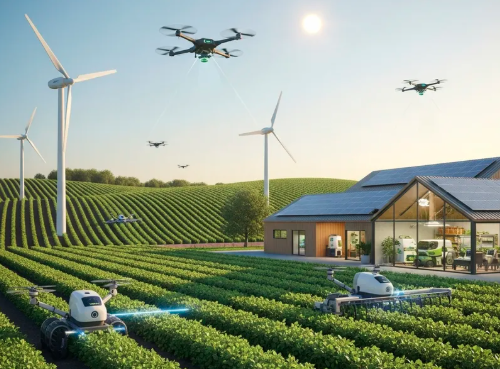
Precision farming is revolutionising agriculture by turning traditional farms into smart, data-driven ecosystems. By leveraging real-time insights, advanced sensors, and targeted input management, farmers can boost crop yields, enhance quality, and optimise resources efficiently. In India, where the precision farming market is rapidly expanding, agribazaar, with its tech-powered services, isempowering farmers to implement these modern techniques effectively.
Apart from increasing output, adopting precision farming also cultivates sustainable, profitable, and future-ready agriculture. With the right tools and guidance, Indian farmers can meet growing food demands while maximising both yield and quality.
Disclaimer
The content published on this blog is provided solely for informational and educational purposes and is not intended as professional or legal advice. While we strive to ensure the accuracy and reliability of the information presented, agribazaar make no representations or warranties of any kind, express or implied, about the completeness, accuracy, suitability, or availability with respect to the blog content or the information, products, services, or related graphics contained in the blog for any purpose. Any reliance you place on such information is therefore strictly at your own risk. Readers are encouraged to consult qualified agricultural experts, agronomists, or relevant professionals before making any decisions based on the information provided herein. agribazaar, its authors, contributors, and affiliates shall not be held liable for any loss or damage, including without limitation, indirect or consequential loss or damage, or any loss or damage whatsoever arising from reliance on information contained in this blog. Through this blog, you may be able to link to other websites that are not under the control of agribazaar. We have no control over the nature, content, and availability of those sites and inclusion of any links does not necessarily imply a recommendation or endorsement of the views expressed within them. We reserve the right to modify, update, or remove blog content at any time without prior notice.

 Connect With Us