
 Jyoti Sharma
February 12, 2026
Jyoti Sharma
February 12, 2026
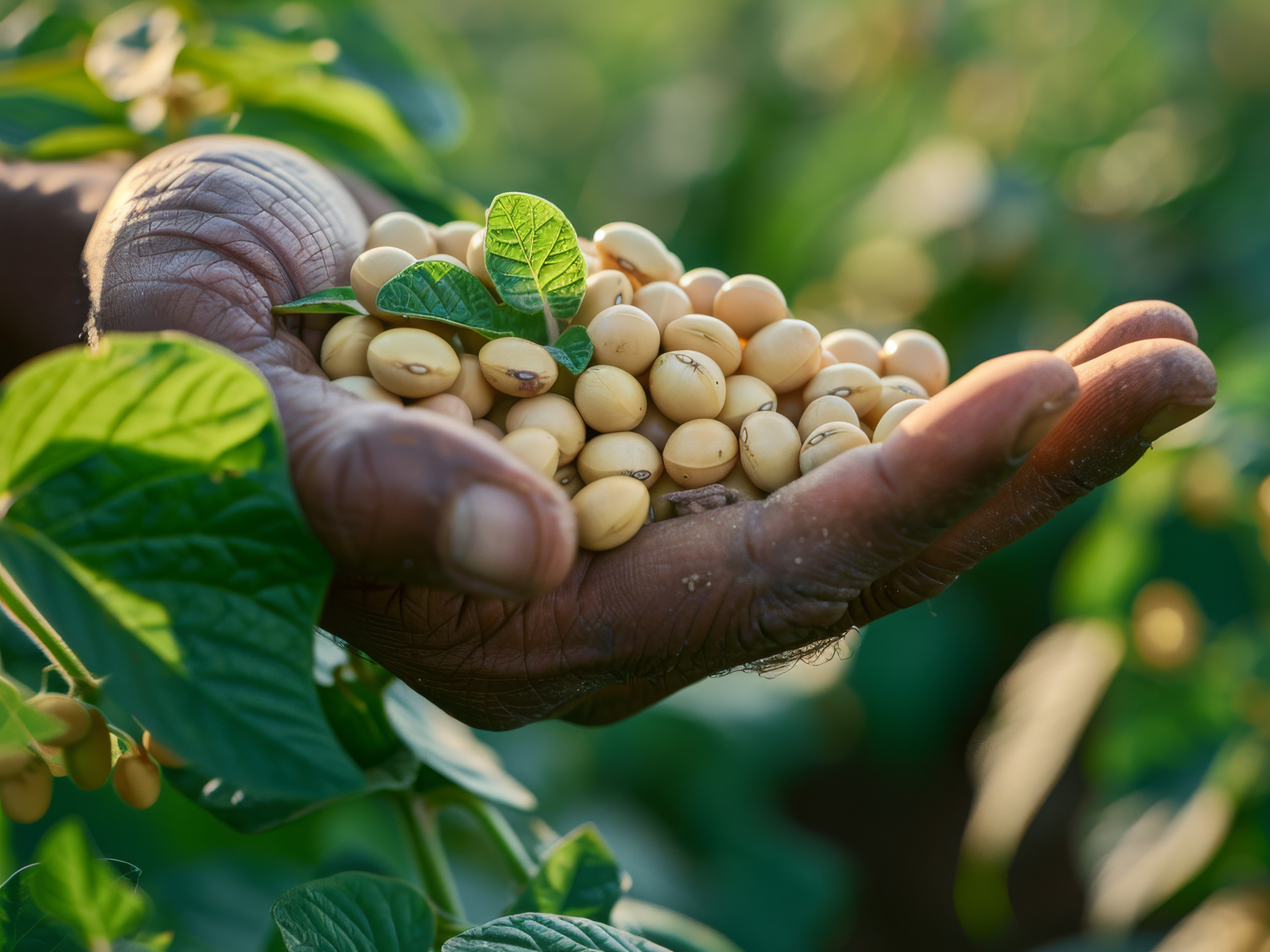
From the oil in your kitchen to the feed that powers India’s poultry and dairy sectors, soybean touches multiple parts of everyday life. Yet, most people see it only as a crop arriving in mandis after harvest. The reality is far more interesting. Once harvested, soybean travels through crushers, refineries, feed mills and global trade routes, turning into cooking oil, animal feed, packaged foods and even industrial products.
In recent years, it has become one of the most closely tracked commodities in India because their prices influence both edible oil costs and livestock feed economics. India is the 5th-largest soybean producer globally, with production estimated at ~12.6 Million Tonnes in 2024-25 and early estimates suggesting ~10–10.5 Million Tonnes for 2025-26 due to acreage and weather variations, according to the Soybean Processors Association of India (SOPA) and the USDA Oilseeds Outlook.
From farm to market: The soybean journey
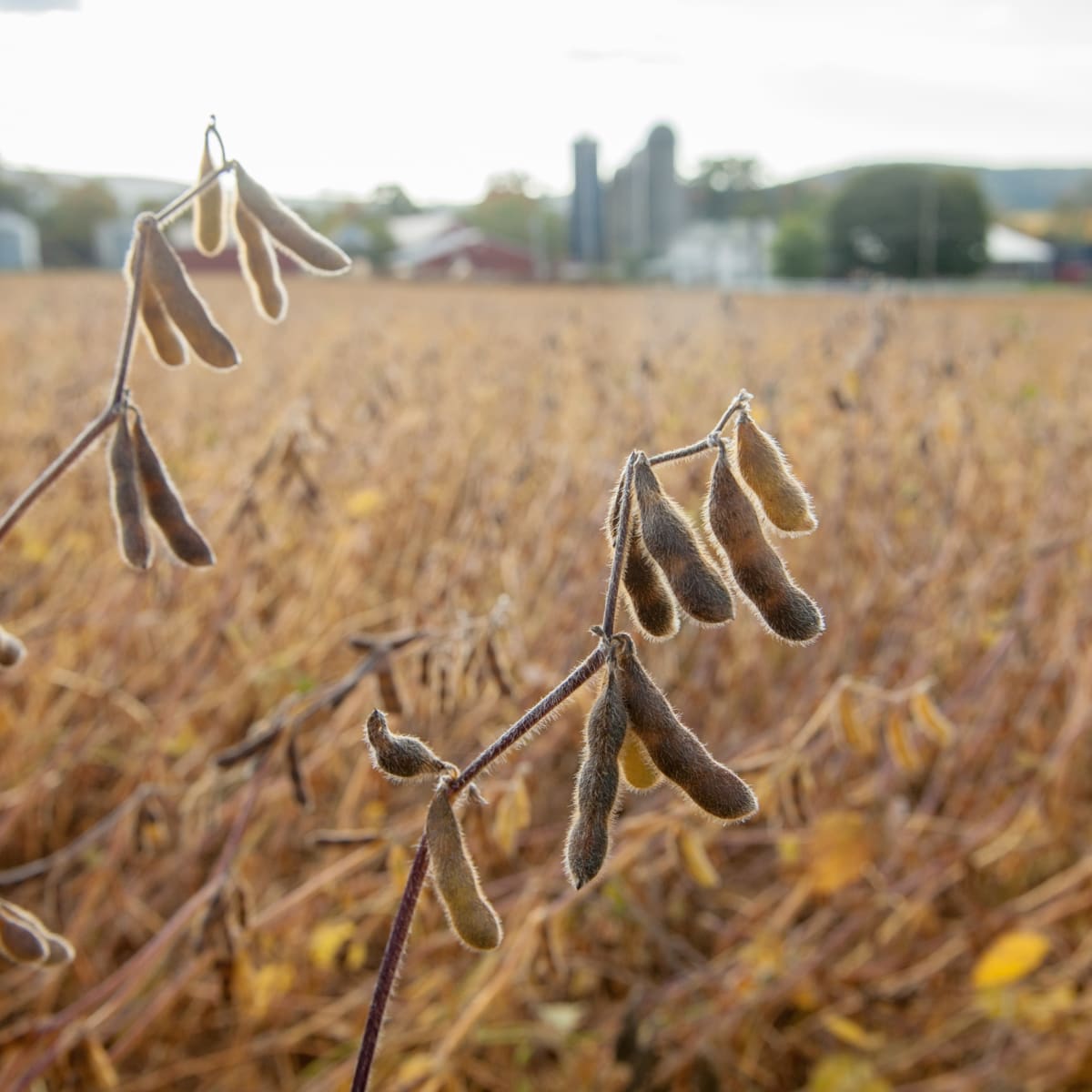
Soybean is harvested mainly in central Indian states such as Madhya Pradesh, Maharashtra, and Rajasthan. Together, these states account for over 85% of India;s acreage, with total sowing touching 123 lakh hectares in Kharif 2025, according to the Department of Agriculture and Farmer Welfare. Once it reaches mandis, it enters the crushing cycle. India processes roughly 8–9 Million Tonnes of soybean annually through its crushing industry, as per SOPA industry data.
- Crushing produces two key products: soybean oil and soymeal.
- Soybean oil is used in edible oil consumption and food processing.
- Soymeal and oilcake serve as protein-rich feed for poultry, cattle, and aquaculture.
Soybean oil: A key part of India’s edible oil basket
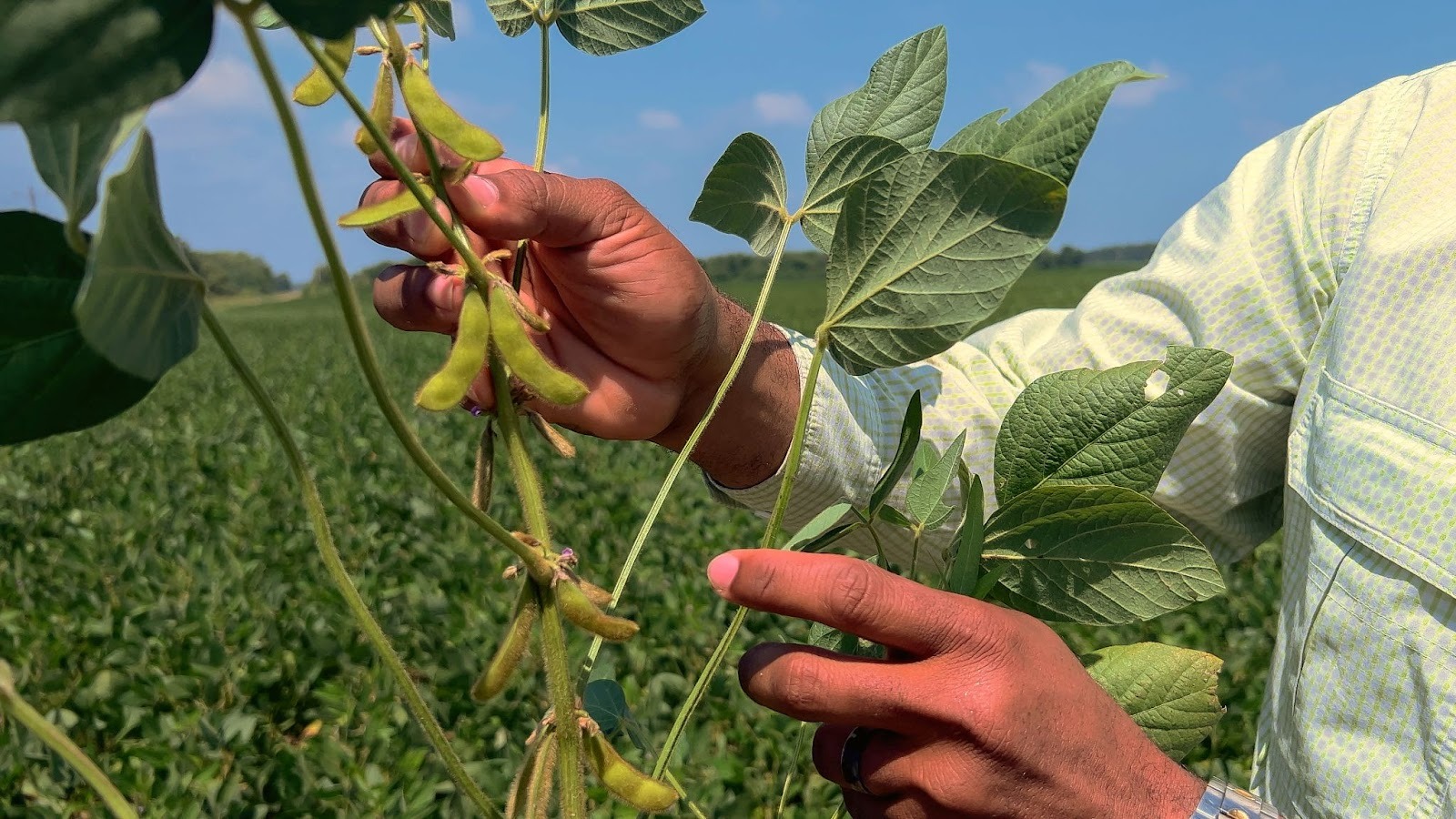
India consumes large quantities of edible oil each year, and soybean oil is among the major contributors. The country’s total edible oil consumption is estimated at ~25–26 Million Tonnes annually, of which oil accounts for around 5-6 Million Tonnes, according to the USDA. When domestic oilseed production is lower or when global prices shift, India increases imports of soy oil to meet demand. India imported around 4.8 Million Tonnes of soy oil in 2024-25, according to DGCIS.
In 2025-26, edible oil demand remains strong while domestic oilseed production has seen some pressure due to weather and acreage changes. This has kept soybean oil relevant in the overall oil mix. Globally, soybean oil demand is also rising, with world consumption estimated at 70 Million Tonnes, supported by food use and renewable fuel blending in countries like the US and Brazil, according to the USDA WASDE report.
Where soybean oil is used
- Household cooking oil
- Packaged foods and snacks
- Restaurants and food processing
- Industrial and biofuel use (globally)
Because it competes with palm and sunflower oils, soybean oil prices often move based on global vegetable oil trends. India still imports over 55–60% of its edible oil requirement, according to NITI Aayog and SEA estimates, making global price movements a key factor.
Soymeal & Oilcake: For the feed industry
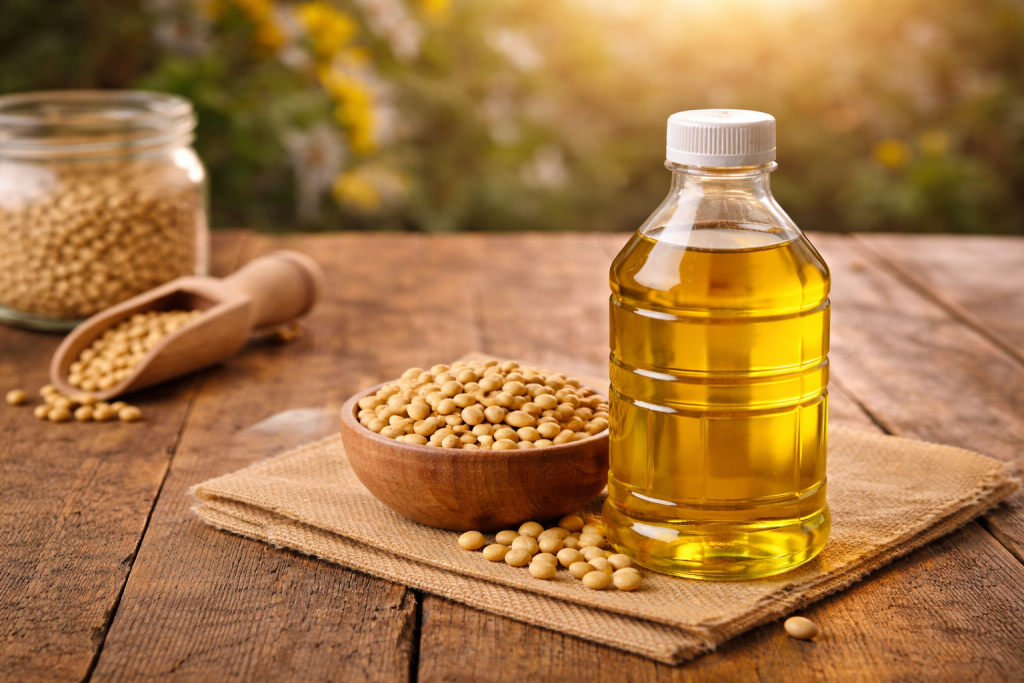
After oil is extracted, what remains is soymeal. It’s a protein-rich product widely used in animal feed. India produces around 6–7 Million Tonnes of soymeal annually, depending on crushing volumes, according to SOPA.
India’s poultry and livestock sectors rely heavily on soymeal, making it one of the most important feed ingredients. The country’s poultry feed industry alone consumes over 60% of domestic soymeal output, according to CLFMA feed industry estimates. Soymeal is also exported to neighbouring countries and some international markets when prices are competitive. India exported approximately 1.8 Million Tonnes of soymeal in 2024-25, according to SOPA export data.
In 2025-26, domestic feed demand remains steady, while exports have fluctuated with global prices and supply from countries like Brazil and Argentina, which together account for over 50% of global soymeal exports, according to the USDA Oilseeds report.
Where soymeal is used
- Poultry feed
- Dairy and cattle feed
- Aquaculture feed
- Some food processing uses
When feed demand rises, soybean crushing often increases, bringing more oil into the market.

Current soybean market trends (2025-26)
The soybean market this year is being shaped by a few key trends:
- Slightly tighter domestic supply: Production estimates for 2025-26 are lower than last year due to acreage and weather factors, with output seen at ~10–10.5 Million Tonnes versus ~12.6 Million Tonnes in 2024-25, according to SOPA and the USDA India oilseeds outlook. This has made arrivals and prices more sensitive to supply updates.
- Strong demand for edible oils: India continues to depend on imports for a large portion of its edible oil consumption, with total vegetable oil imports expected to remain around 16–17 Million Tonnes in 2025-26, according to the Solvent Extractors’ Association of India. This keeps soybean oil relevant in the overall mix.
- Stable feed demand: Growth in the poultry and dairy sectors continues to support domestic soymeal consumption. India’s poultry sector is growing at 6–8% annually, according to industry and FAO estimates.
- Global price influence: Soybean prices in India are closely linked to global markets. Brazil is expected to produce ~160+ Million Tonnes of soybean in 2025-26, while global soybean production is projected near 428 Million Tonnes, according to the USDA WASDE global outlook. Changes in global harvests or oil prices often reflect quickly in domestic markets.
- Active crushing activity: Despite supply pressures, crushers continue operating steadily to meet demand for both oil and meal. India’s soybean crushing capacity is estimated at 25 Million Tonnes annually, according to SOPA.
Tracking the soybean chain
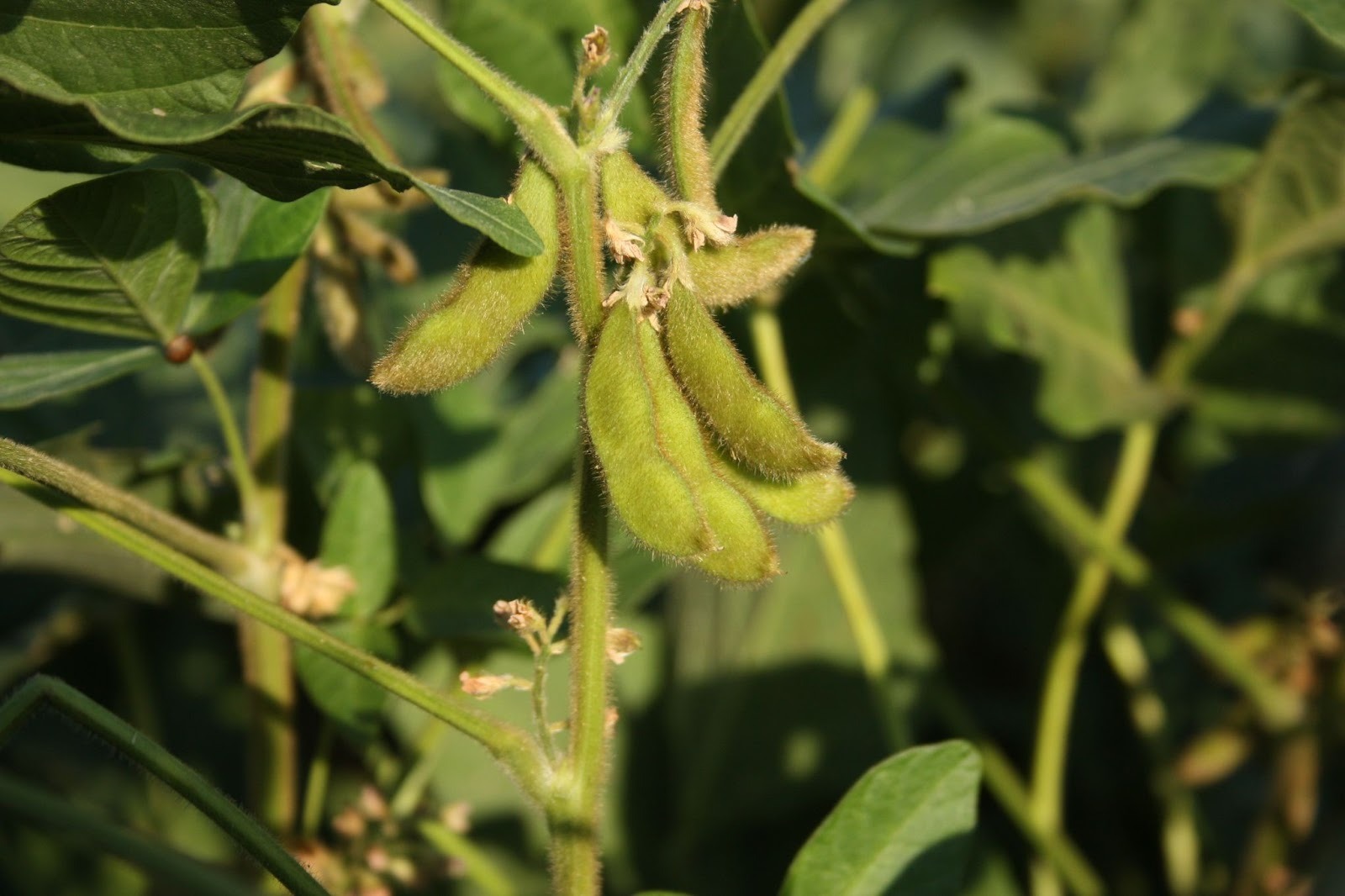
Looking at soybean alone doesn’t give the full picture. Prices and demand are shaped by what happens to its derivatives. In India, nearly 80% of soybean is crushed for oil and meal, according to SOPA industry data:
- If edible oil demand rises → crushing increases
- If feed demand rises → soymeal prices strengthen
- If global oil prices fall → soybean prices may soften
This interconnected nature makes soybean one of the most closely watched commodities by farmers, traders, processors and feed manufacturers.
How agribazaar supports the soybean ecosystem
agribazaar plays a vital role across the Indian agricultural value chain by combining on-ground insights with digital trading tools. The platform connects a network of over 3 lakh farmers and 50,000+ traders and buyers across commodities.
- Satellite-based crop health monitoring: Technology-driven monitoring tracks crop conditions across regions, enabling stakeholders to anticipate market movements during key crop stages.
- Real-time price discovery: agribazaar’s platform provides mandi prices across multiple PAN India markets and transparent price discovery for multiple agri commodities.
- Digital commodity trading: Buyers and sellers can trade soybean and oilseed derivatives across regions through a secure digital marketplace with nationwide reach.
- Market intelligence and reports: Weekly and monthly commodity reports help stakeholders stay updated on soybean arrivals, price trends and demand outlook across major mandis and processing centres.
Outlook: What to watch next
Going forward, markets in India will likely be influenced by:
- Final crop arrivals
- Global edible oil price movements
- Feed sector demand
- Policy changes and trade flows
India’s soybean consumption across oil and feed segments is estimated to remain above 10–12 Million Tonnes annually, according to SOPA and USDA balance sheets. With its role in both food and feed, soybean will continue to remain a key commodity to watch. For farmers, traders and processors alike, keeping track of the entire soy chain—from seed to oil and meal—offers a clearer understanding of where the market may head next.
Disclaimer
The content published on this blog is provided solely for informational and educational purposes and is not intended as professional or legal advice. While we strive to ensure the accuracy and reliability of the information presented, agribazaar make no representations or warranties of any kind, express or implied, about the completeness, accuracy, suitability, or availability with respect to the blog content or the information, products, services, or related graphics contained in the blog for any purpose. Any reliance you place on such information is therefore strictly at your own risk. Readers are encouraged to consult qualified agricultural experts, agronomists, or relevant professionals before making any decisions based on the information provided herein. agribazaar, its authors, contributors, and affiliates shall not be held liable for any loss or damage, including without limitation, indirect or consequential loss or damage, or any loss or damage whatsoever arising from reliance on information contained in this blog. Through this blog, you may be able to link to other websites that are not under the control of agribazaar. We have no control over the nature, content, and availability of those sites and inclusion of any links does not necessarily imply a recommendation or endorsement of the views expressed within them. We reserve the right to modify, update, or remove blog content at any time without prior notice.



 Connect With Us