
 Jyoti Sharma
January 28, 2026
Jyoti Sharma
January 28, 2026
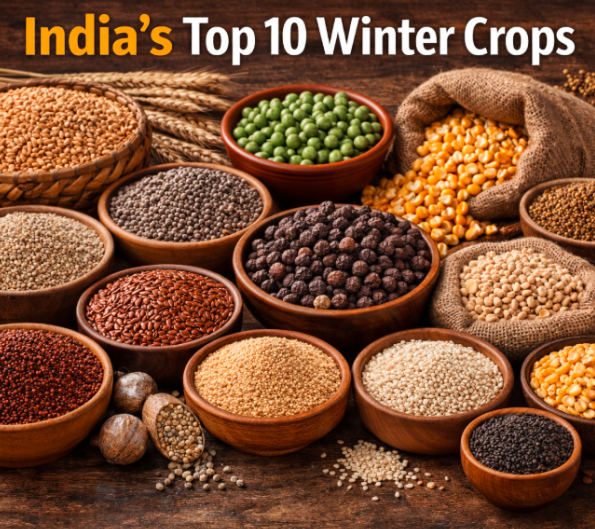
What makes winter a defining season for India’s agricultural markets? It is during this period that rabi crops, grains, millets, pulses, and oilseeds begin to shape the country’s food supply and commodity trade. Sown between October and December and harvested from February onwards, winter crops influence not only seasonal consumption and nutrition but also mandi arrivals, procurement patterns, and price movements across India.
“In 2025–26, India’s rabi sowing crossed 64 million hectares, supported by favourable soil moisture and stable policy support, leading to strong demand for key winter staples across mandis and processing hubs.”
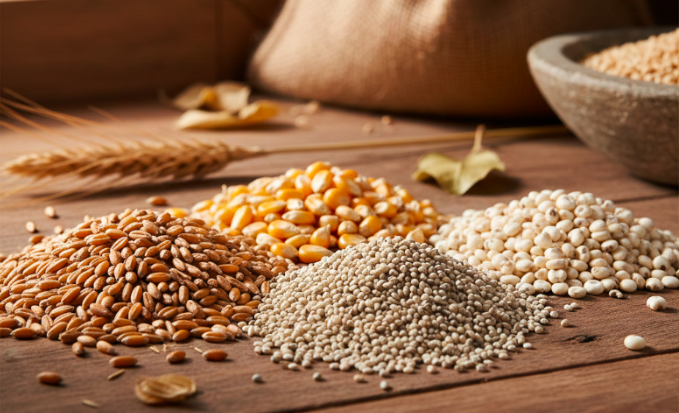
From traditional cereals to energy-rich oilseeds, these winter crops are consumed more during the cold months due to their warming properties, longer shelf life, and their role in staple diets.
In this article, we have listed the top 10 Indian winter crops, with a focus on grains and oilseeds relevant to agri-commodity trade.
1. Wheat (Gehun): Wheat remains India’s most dominant winter crop, accounting for the largest share of rabi acreage. Consumption peaks in winter with freshly prepared rotis, parathas, and traditional foods like panjiri. Strong government procurement and consistent flour mill demand keep wheat prices firm.
Why does demand stay strong?
- Staple grain across households and food processors
- Assured MSP procurement and large-scale consumption
- High demand from the atta, bakery, and FMCG segments
2. Bajra (Pearl Millet): Bajra is among the most preferred winter crops for its natural warming properties. Consumed as bajra roti or khichdi with ghee, it enjoys strong demand in both rural and urban areas, especially in North and Western India.
Why the high demand?
- Climate-resilient and high in iron and fibre
- Growing popularity of health-focused diets
- Increasing procurement for nutrition-based programs
3. Ragi (Finger Millet): Ragi has emerged as a high-value winter crop due to rising awareness around nutrition and sustained energy foods. It is commonly consumed as porridge, malt, or bhakri during winter.
Reasons for high demand:
- Rich in calcium and slow-release carbohydrates
- Strong demand from health food brands
- Inclusion in government nutrition schemes
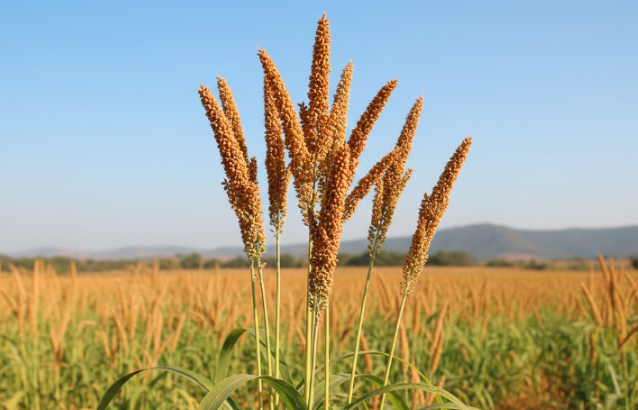
4. Jowar (Sorghum): Jowar is a traditional winter crop valued for its warming nature & gluten-free profile. Demand has increased steadily due to its use in rotis and ready-to-cook products.
What sets the strong demand?
- Suitable for diabetic and gluten-sensitive consumers
- High uptake in urban health food markets
- Stable demand from flour mills
5. Barley (Jau): Barley is widely consumed during winter in soups, porridges, and traditional preparations. As a functional winter crop, it also serves the feed, food, and processing industries.
Why is the demand strong?
- High fibre content supports winter diets
- Growing use of health beverages and foods
- Stable industrial demand
6. Maize (Makki): Makki is an important winter crop, especially in northern India, where makki di roti is a seasonal staple. Beyond household use, maize has strong demand from starch, feed, and ethanol industries.
Why demand stays strong:
- High seasonal food consumption
- Large-scale industrial applications
- Consistent bulk trading volumes
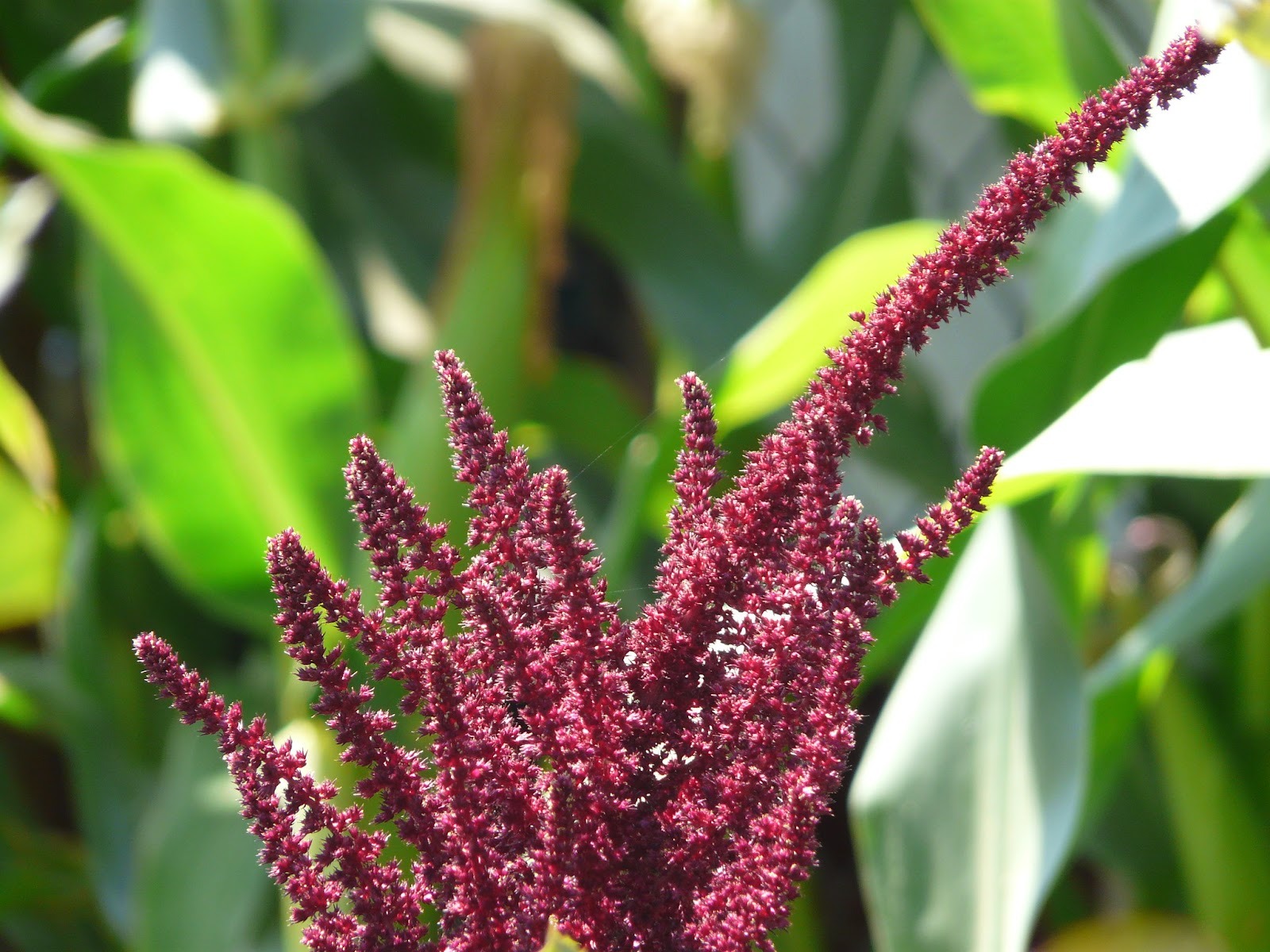
7. Amaranth (Rajgira): Rajgira is a nutrient-dense winter crop, widely consumed as laddus, chikki, or porridge. Though grown on smaller acreage, it commands premium pricing due to limited supply.
Reasons for demand:
- Gluten-free and protein-rich
- Strong demand during fasting and winter months
- Used by speciality food processors
8. Sesame Seeds (Til): Til holds a unique position among winter crops due to its warming nature and oil content. Winter demand surges with products like til ladoos and chikki, along with steady demand from oil extraction units.
Why the strong demand?
- High oil recovery and export demand
- Essential winter food ingredient
- Strong domestic and international trade
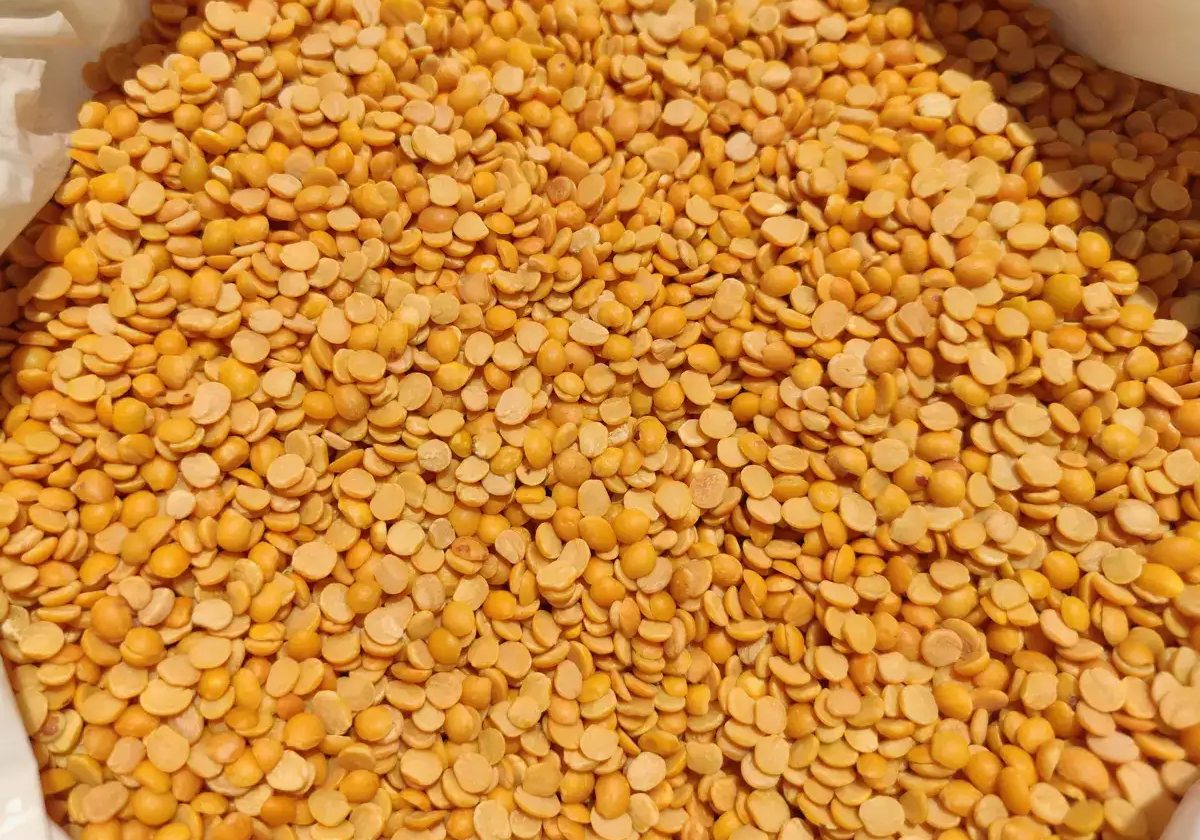
9. Bengal Gram (Desi Chana): Desi chana is a critical winter crop used for direct consumption, for making flour (besan), and for roasted snacks. Its protein content and long storage life make it a preferred winter commodity.
Why demand stays strong:
- Used across food processing and retail
- Stable prices due to controlled imports
- High household consumption
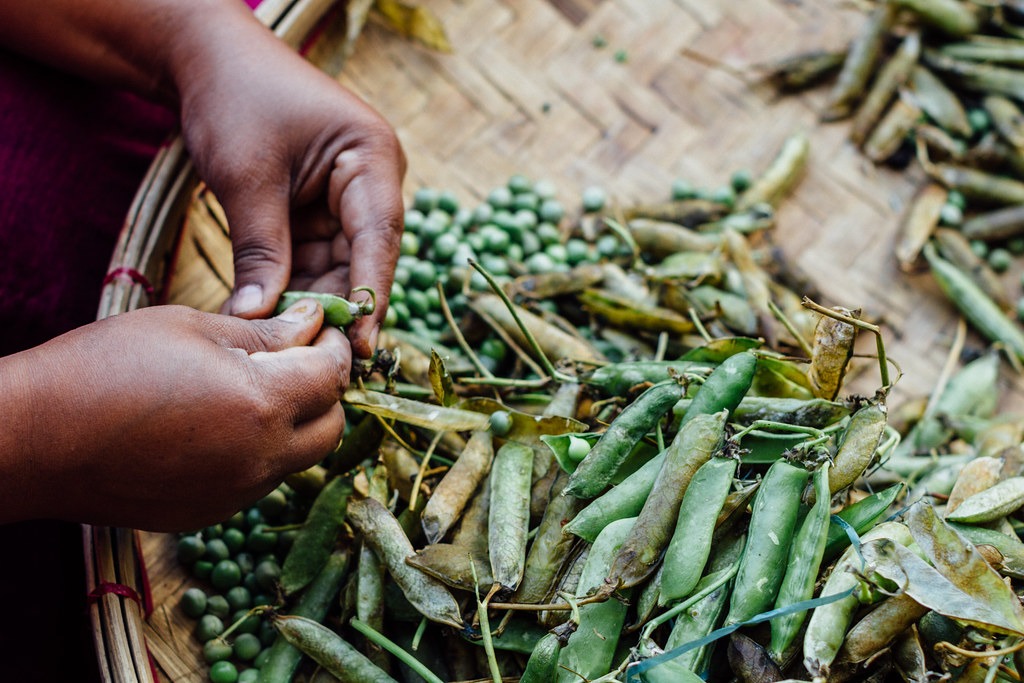
10. Green Peas (Matar): Harvested in winter, matar is an integral part of Indian winter cuisine. While consumed fresh, it also supports processing demand for frozen and dried peas.
Why is it in demand?
- Seasonal spike in household consumption
- Strong demand from food processors
- Short harvest window supports pricing
How agribazaar supports winter crops trade
As a leading agri-commodity first platform, agribazaar enables efficient and transparent trade for grains, pulses, and oilseeds grown during the winter season:
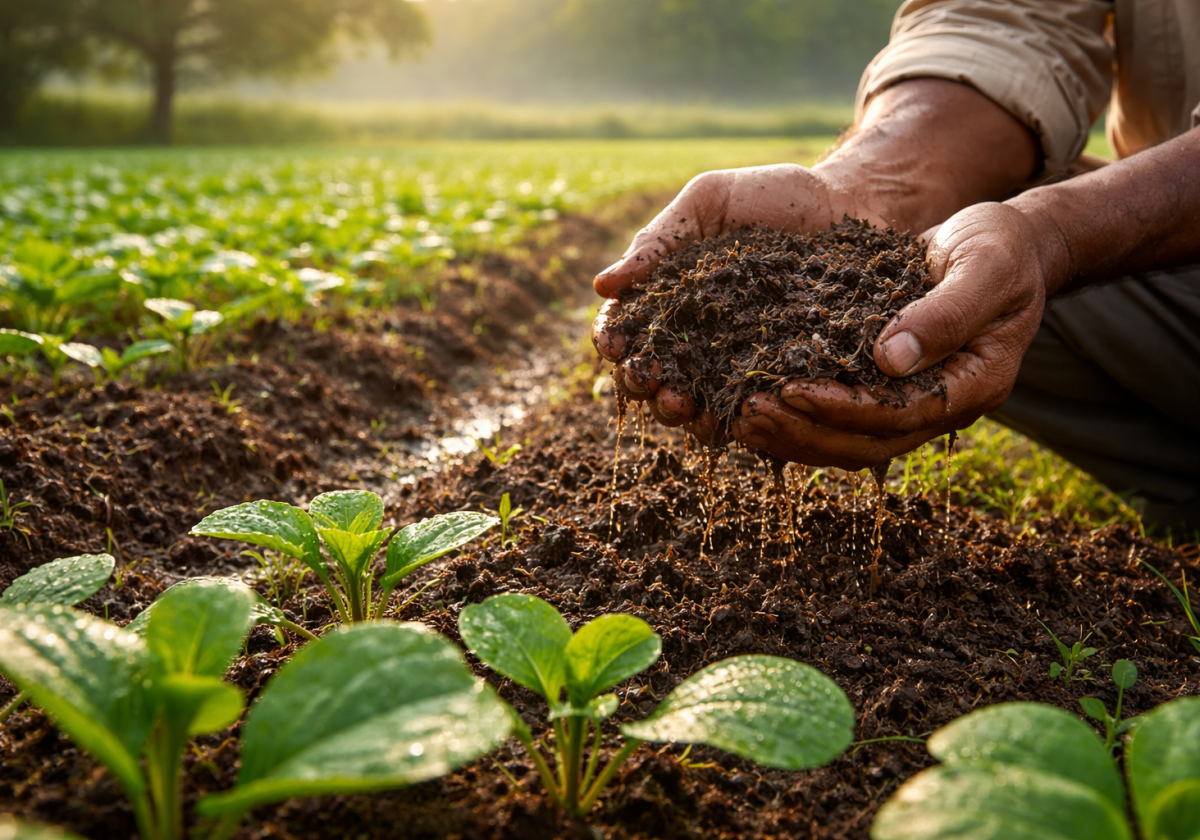
- Yield & acreage estimation via AgriBhumi: Satellite-verified insights help assess crop acreage, yield potential, and regional production trends for key winter crops.
- Farm & crop management: Data-driven tools enable better on-the-ground planning, monitoring, and decision-making throughout the crop lifecycle.
- Online agri trading: A transparent digital platform to buy and sell grains, pulses, and oilseeds with real-time price discovery.
- Secure payments via AgriPay: Fast, safe, and reliable digital payment solutions ensuring smooth settlements between buyers and sellers.
- Market insights, prices & trends: Access to live mandi prices, demand patterns, and market intelligence to help stakeholders time their trades effectively.
Conclusion
India’s winter crops play a vital role in ensuring food security, supporting farmer incomes, and sustaining agri-trade during the rabi season. Staples like wheat and maize, traditional millets, pulses and oilseeds experience strong seasonal demand due to their nutritional value, warming properties, and widespread consumption.
As markets evolve, effective participation in winter crop trade requires timely data, transparent pricing, and efficient market access. This is where digital agri-platforms add significant value. By combining yield intelligence and market insights, agribazaar enables farmers, traders, and agri-businesses to make informed decisions and capture better value from the winter crop season, making trade more efficient and profitable.
Disclaimer
The content published on this blog is provided solely for informational and educational purposes and is not intended as professional or legal advice. While we strive to ensure the accuracy and reliability of the information presented, agribazaar make no representations or warranties of any kind, express or implied, about the completeness, accuracy, suitability, or availability with respect to the blog content or the information, products, services, or related graphics contained in the blog for any purpose. Any reliance you place on such information is therefore strictly at your own risk. Readers are encouraged to consult qualified agricultural experts, agronomists, or relevant professionals before making any decisions based on the information provided herein. agribazaar, its authors, contributors, and affiliates shall not be held liable for any loss or damage, including without limitation, indirect or consequential loss or damage, or any loss or damage whatsoever arising from reliance on information contained in this blog. Through this blog, you may be able to link to other websites that are not under the control of agribazaar. We have no control over the nature, content, and availability of those sites and inclusion of any links does not necessarily imply a recommendation or endorsement of the views expressed within them. We reserve the right to modify, update, or remove blog content at any time without prior notice.


 Connect With Us