 Jyoti Sharma
July 8, 2026
Jyoti Sharma
July 8, 2026
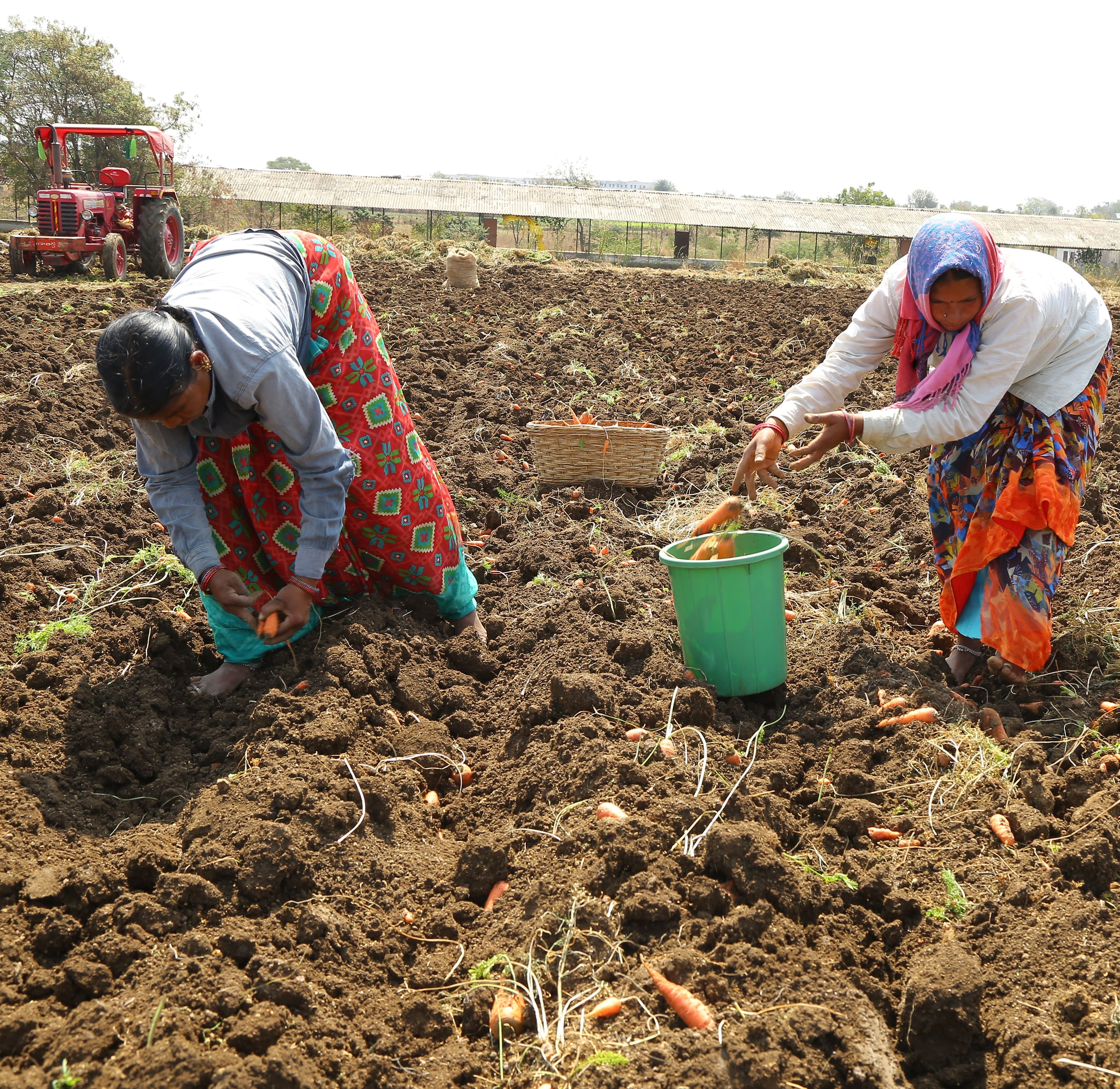
Every harvest marks the beginning of a much larger journey. Before agricultural produce reaches a processing unit, an exporter, or a consumer’s plate, it passes through a complex network of traders, warehouses, transporters, financial institutions, and marketplaces. Today, that journey is becoming increasingly digital, making agricultural commodities trading faster, more transparent, and more accessible than ever before.
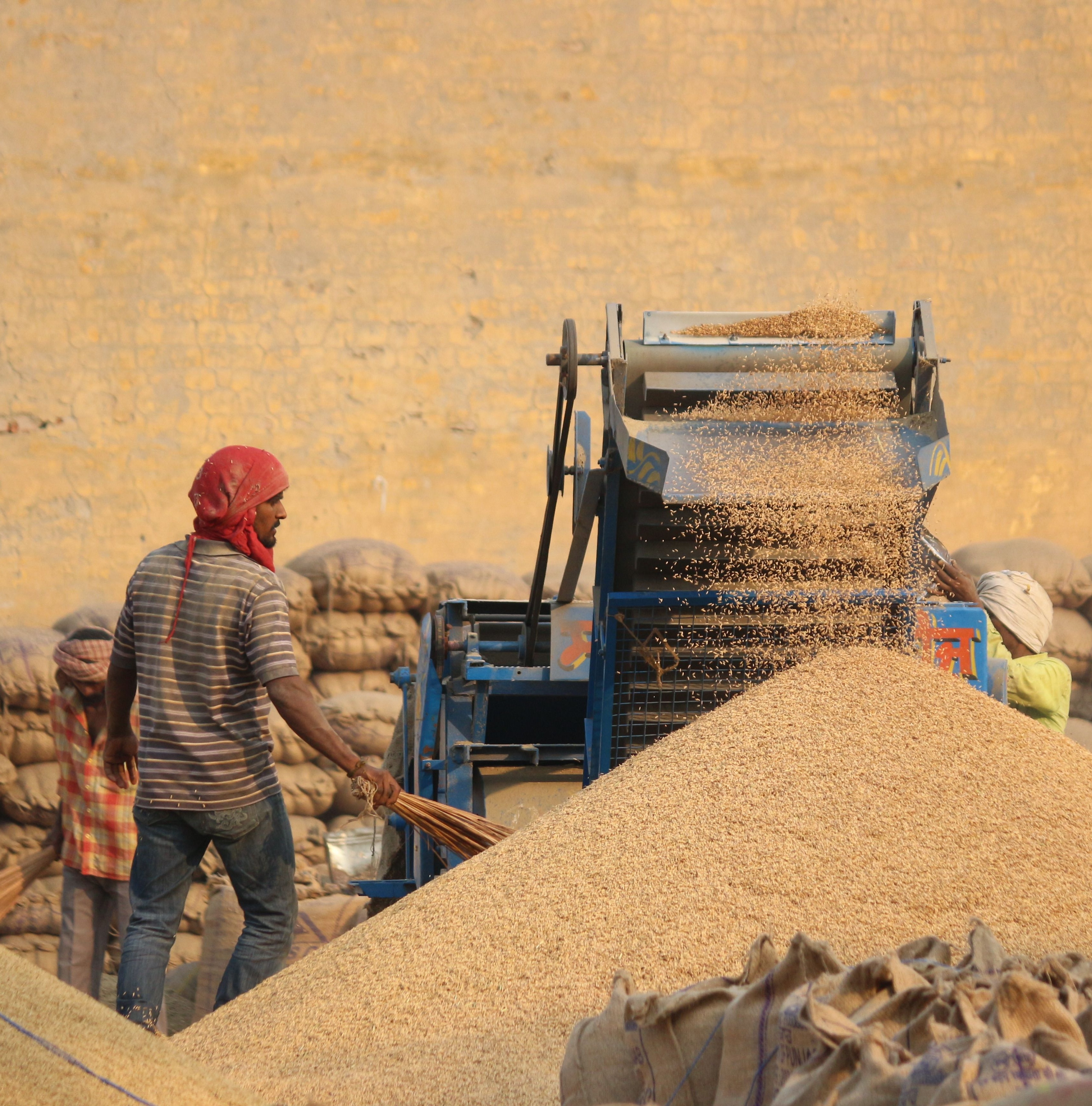
This change comes at a time when India’s agricultural output is touching record levels. According to the Ministry of Agriculture & Farmers’ Welfare, foodgrain production is projected to reach 376.56 million tonnes in 2025–26. Managing such volumes requires smarter trading ecosystems that can efficiently connect producers with buyers while improving transparency and market access.
What are agri commodities?
Agri commodities are agricultural products that are cultivated, harvested, and traded in standardised forms. Since these products generally have consistent quality specifications, they can be bought and sold across different markets and supply chains.
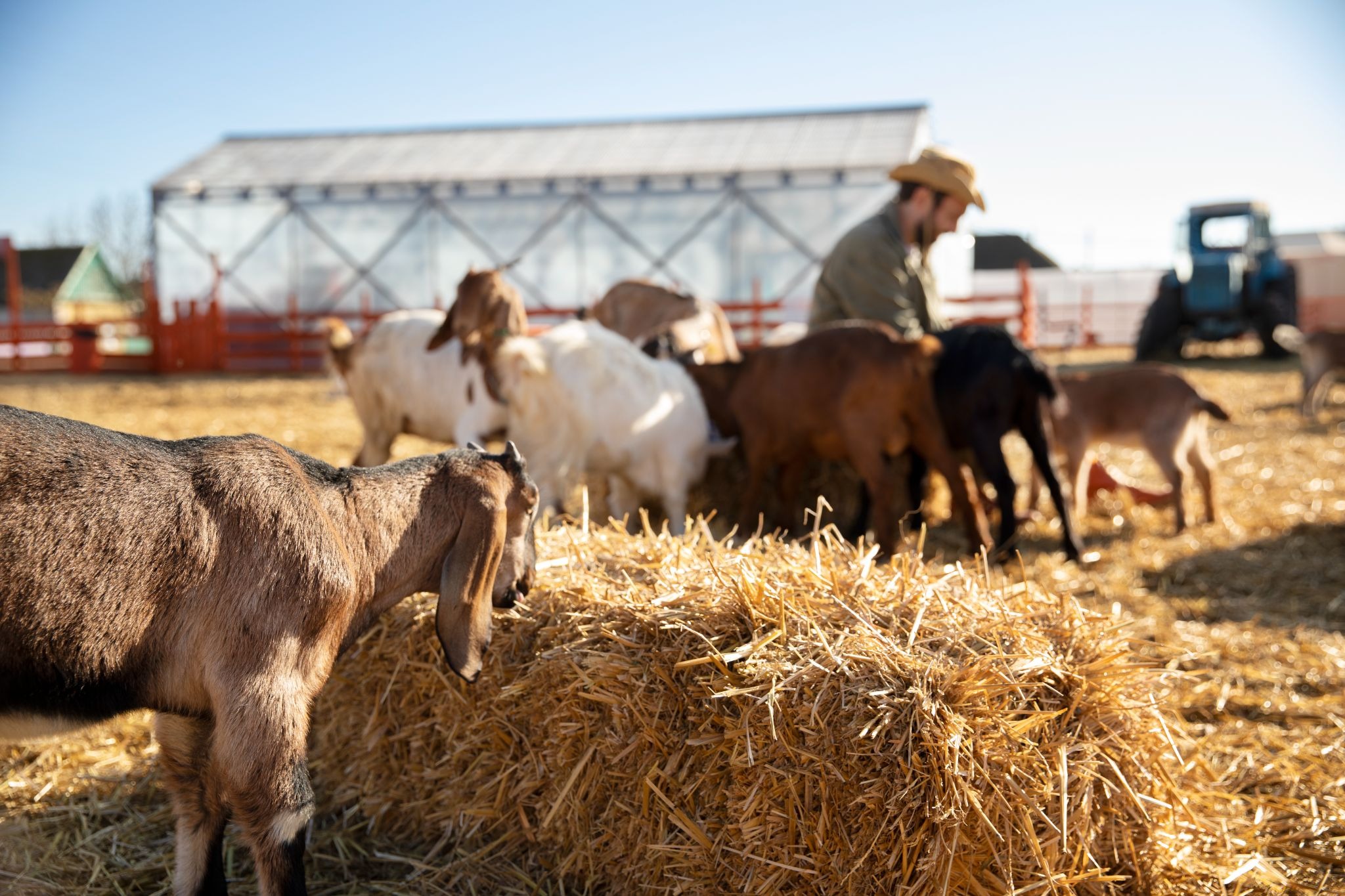
Unlike processed food products, agricultural commodities are primary farm produce that serve as raw materials for food processing, exports, livestock feed, textiles, biofuels, and various industries.
What are the types?
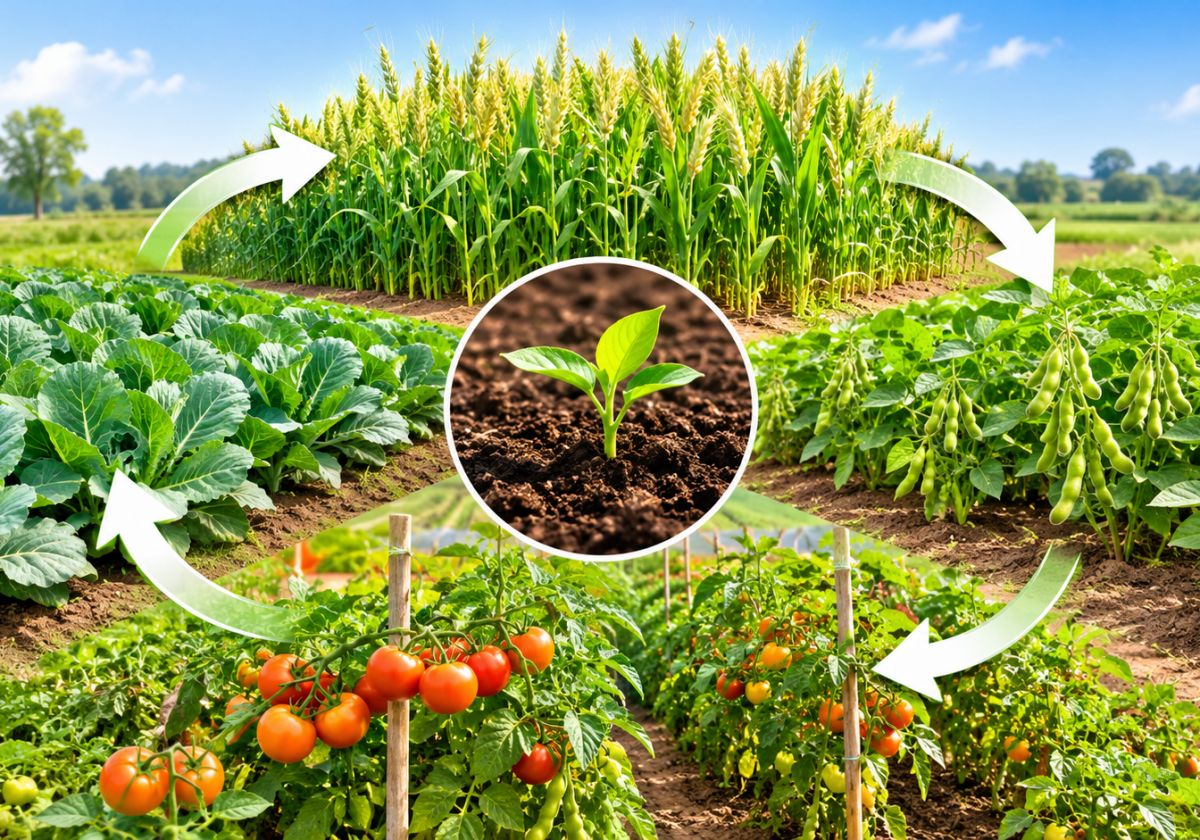
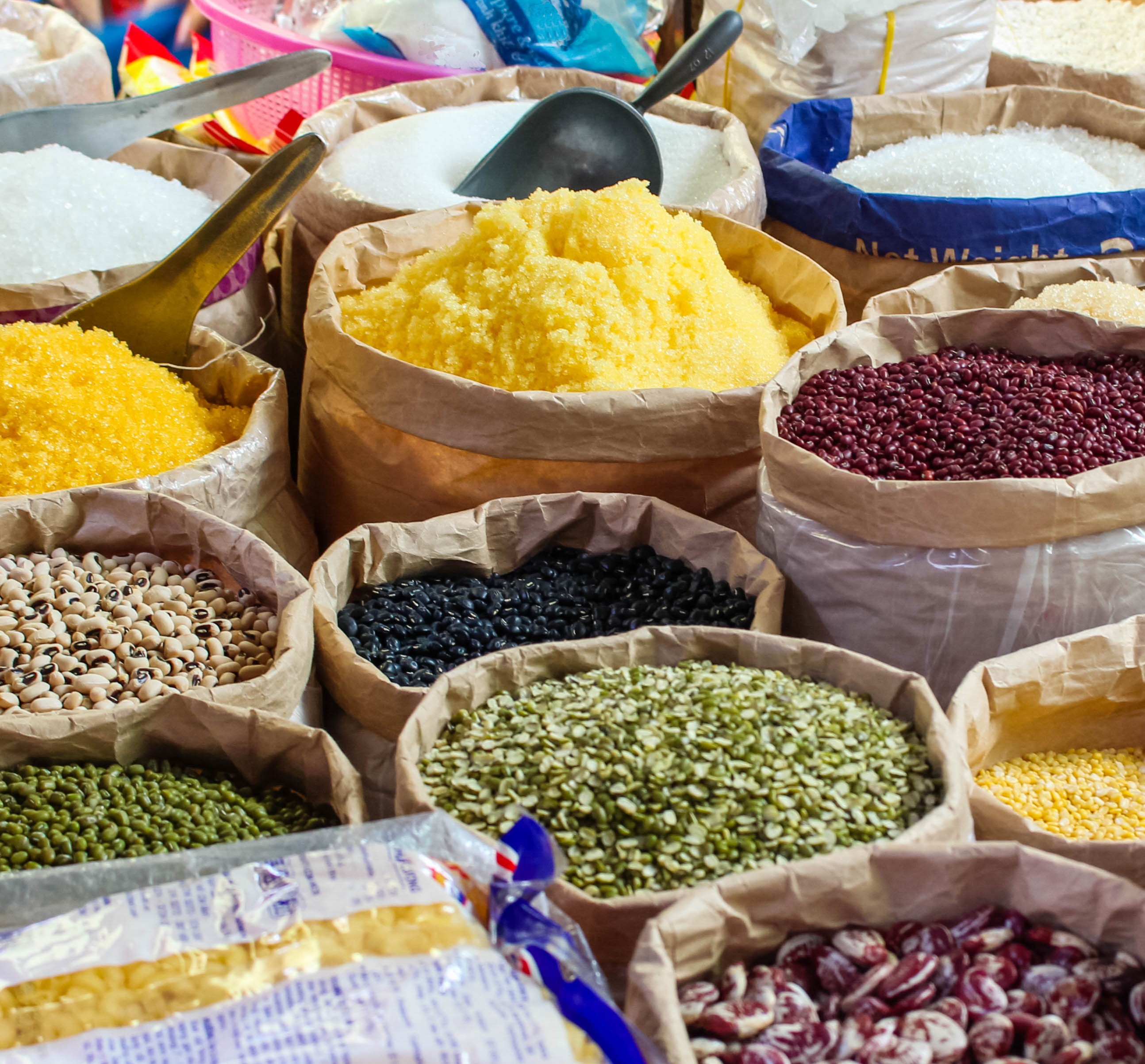
India produces one of the widest ranges of agricultural commodities in the world. Some of the major categories include:
Food Grains
These remain the largest category of agricultural commodities and include:
- Wheat
- Rice
- Maize
- Barley
Pulses
India is among the world’s largest producers and consumers of pulses, including:
- Chana
- Tur (Pigeon Pea)
- Moong
- Urad
- Masoor
Oilseeds
Oilseed cultivation supports both edible oil production and industrial applications. Common examples include:
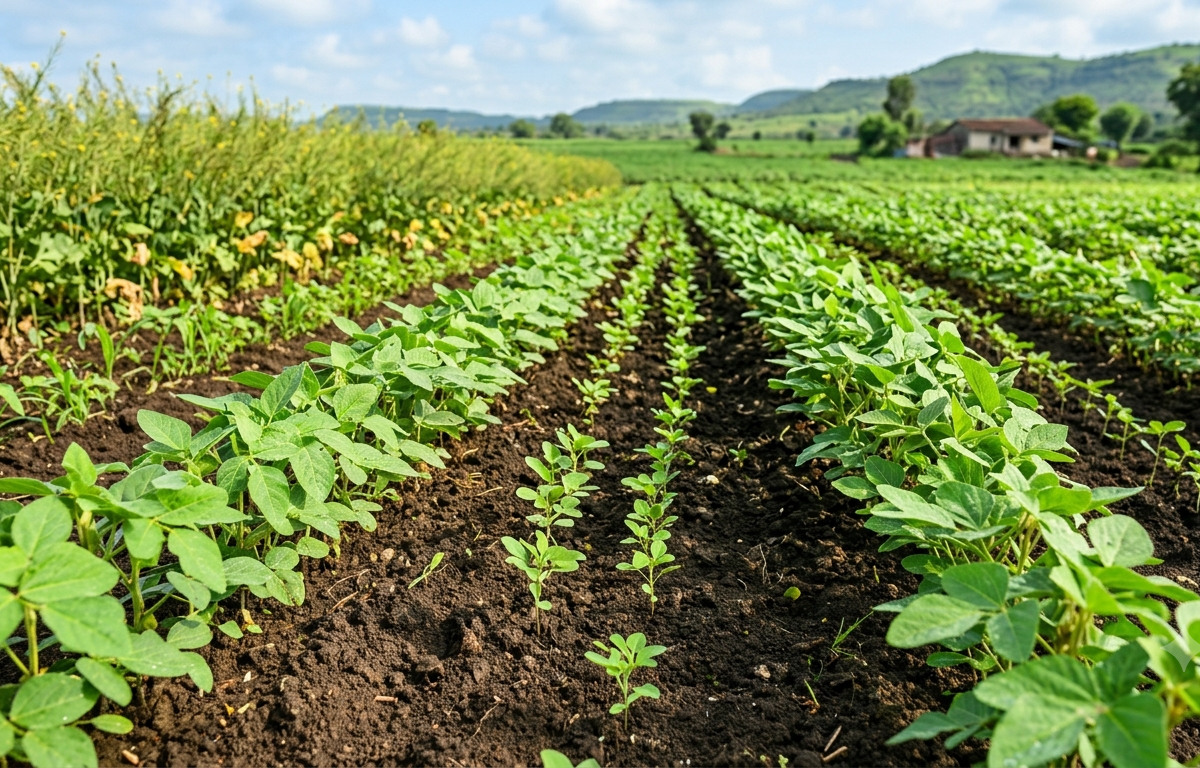
- Soybean
- Mustard
- Groundnut
- Sunflower
- Sesame
Commercial Crops
These crops are primarily grown for industrial or export purposes. Examples include cotton, sugarcane, jute, tobacco, etc.
Spices and Plantation Crops
India is also a global leader in several high-value commodities, such as:
- Turmeric
- Cumin
- Black Pepper
- Cardamom
- Coffee
- Tea
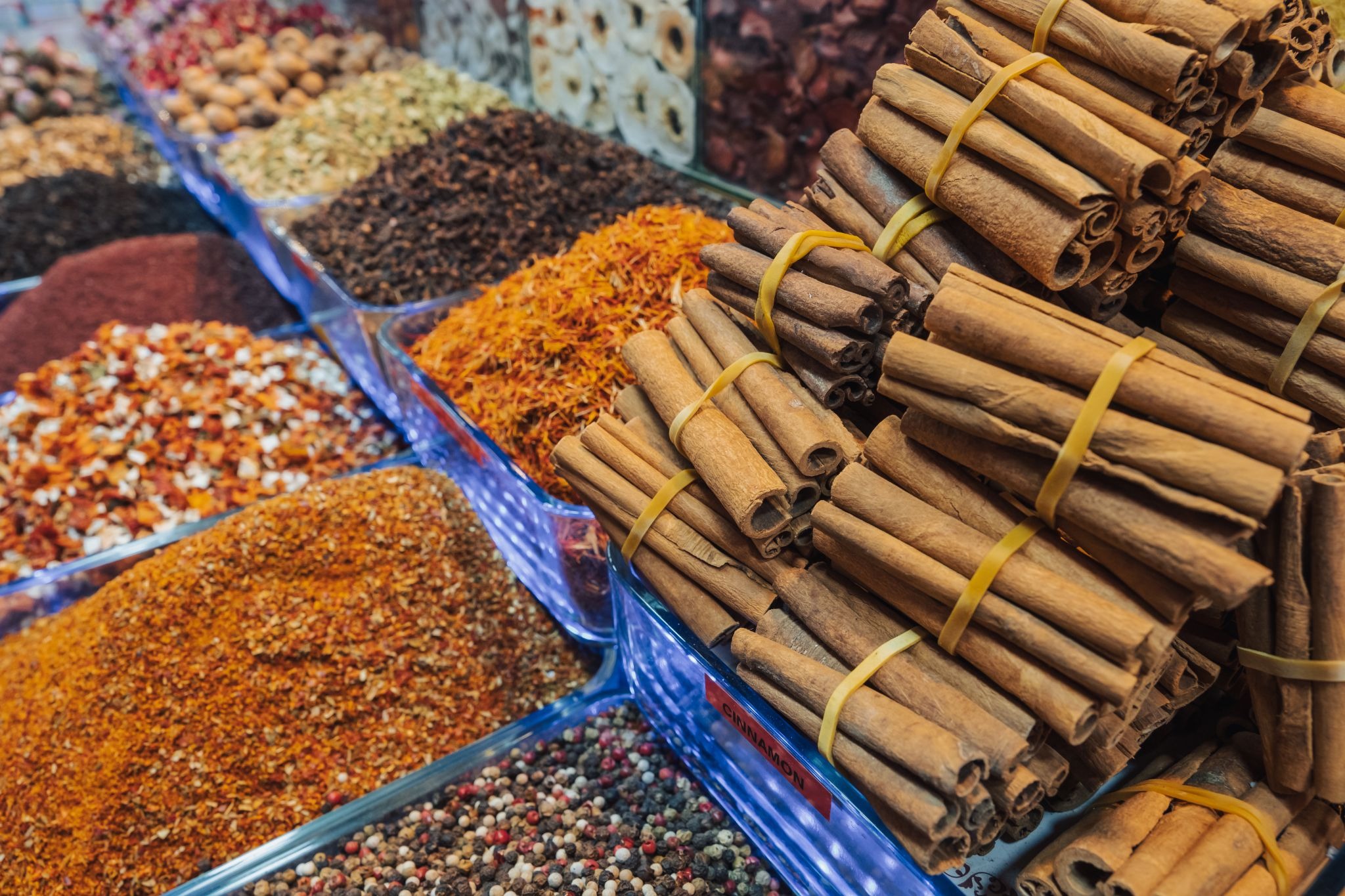
Each commodity follows its own pricing dynamics based on factors such as production levels, weather conditions, exports, imports, government policies, and market demand.
How does agri commodity trading work?
Commodity trading involves several interconnected participants, including farmers, aggregators, processors, traders, exporters, financial institutions, and logistics providers.
A typical trading journey includes:
- Harvesting and collection of produce
- Quality testing and grading
- Storage in warehouses
- Price discovery through physical or digital marketplaces
- Purchase by buyers.
- Transportation and delivery
- Settlement and payment
Traditionally, much of this process relied on manual negotiations and fragmented market information. Today, digital marketplaces have significantly improved transparency by enabling real-time pricing, verified buyers, secure payments, and wider market access.
Why digital commodity trading is growing
India’s agricultural ecosystem is becoming increasingly digital. Farmers and businesses are adopting technology to make better decisions throughout the value chain. Some of the key drivers include:
- Greater price transparency
- Faster settlement cycles
- Digital quality verification
- Access to nationwide buyers
- Easier financing options
- Improved traceability
- Better market intelligence
As production volumes continue to grow, technology is becoming essential for reducing inefficiencies and post-harvest losses while improving farmer incomes.

Future trends shaping agri commodity markets
The future of agri commodity trading extends far beyond buying and selling. Several innovations are reshaping how agricultural markets operate.
- Artificial Intelligence and Predictive Analytics are helping businesses forecast prices, demand patterns, and procurement strategies using historical and real-time market data.
- Satellite-Based Farm Intelligence enables crop monitoring, acreage estimation, and yield forecasting, allowing stakeholders to make informed trading and financing decisions.
- Digital Quality Assessment is improving trust between buyers and sellers by standardising grading and reducing disputes.
- Integrated Financial Services is making it easier for farmers and traders to access working capital based on warehouse receipts, commodity value, and trade history.
- Traceability and Data-Driven Supply Chains are increasingly becoming essential, especially for export markets where buyers demand visibility into the origin and quality of agricultural produce.
These technologies are transforming agricultural commodities from physical products into data-backed assets that support smarter decision-making across the supply chain.
How agribazaar is powering digital agri trading
As India’s digital agricultural ecosystem evolves, agribazaar is helping make commodity trading more efficient, transparent, and accessible.
The platform connects a nationwide network of over 3 lakh farmers, traders, processors, and institutional buyers through a digital marketplace designed for seamless agricultural trade. Users can access real-time commodity prices, discover buyers and sellers across India, and complete secure transactions through AgriPay, simplifying & securing the trading experience.
To date, agribazaar has facilitated over 600,000 trades, enabling the exchange of more than 12 MMT of agricultural commodities through its digital platform.
Beyond trading, agribazaar supports informed decision-making through a suite of digital services. Its Crop Doctor feature enables farmers to receive expert crop health advice by simply uploading images of affected crops. The Fertiliser Calculator helps optimise nutrient application, while customised agronomy services provide scientific recommendations for better productivity.

agribazaar’s digital ecosystem is further strengthened by AgriBhumi, its satellite-powered land intelligence platform. Operating across 13 Indian states, AgriBhumi combines geo-tagged farm data, crop history, soil insights, and land verification to support agricultural planning and credit assessment. Alongside the Farmer Scorecard, these data-driven capabilities help build greater transparency and confidence across the agricultural value chain.
Conclusion
India’s agricultural markets are entering a new era where commodities are supported not only by production but also by technology, data, and digital connectivity. As record harvests increase the need for efficient market linkages, digital commodity trading platforms are becoming indispensable for farmers, traders, and agribusinesses alike.
With innovations such as AI, satellite intelligence, digital payments, and integrated agricultural services, the future of agri commodities is set to become more transparent, efficient, and resilient. Businesses that embrace these advancements will be better positioned to navigate evolving market dynamics and unlock new opportunities across India’s agricultural value chain.
FAQs
- What are agri commodities?
Agri commodities are primary agricultural products that are grown, harvested, and traded in standardised forms. These include cereals, pulses, oilseeds, spices, cotton, sugar, and other farm produce that serve as raw materials for food processing, exports, and various industries. - How does agri commodity trading work?
Agri commodity trading involves buying and selling agricultural produce through physical markets or digital platforms. The process typically includes quality assessment, price discovery, storage, logistics, payment settlement, and delivery between farmers, traders, processors, exporters, and institutional buyers. - What factors influence agri commodity prices?
Agri commodity prices are affected by several factors, including crop production, weather conditions, domestic demand, global market trends, government policies, exports and imports, storage availability, and transportation costs. - What are the benefits of digital agri commodity trading?
Digital trading platforms improve price transparency, connect buyers and sellers across regions, enable secure transactions, reduce dependence on intermediaries, and provide access to real-time market information, making agricultural trade more efficient and reliable. - How is agribazaar transforming agri commodity trading in India?
agribazaar offers a digital marketplace that connects farmers, traders, processors, and buyers across India. Along with transparent price discovery and secure transactions through AgriPay, it provides value-added solutions such as Crop Doctor, the Fertiliser Calculator, customised agronomy services, Farmer Scorecard, and AgriBhumi to support informed decision-making across the agricultural value chain.
Disclaimer
The content published on this blog is provided solely for informational and educational purposes and is not intended as professional or legal advice. While we strive to ensure the accuracy and reliability of the information presented, agribazaar make no representations or warranties of any kind, express or implied, about the completeness, accuracy, suitability, or availability with respect to the blog content or the information, products, services, or related graphics contained in the blog for any purpose. Any reliance you place on such information is therefore strictly at your own risk. Readers are encouraged to consult qualified agricultural experts, agronomists, or relevant professionals before making any decisions based on the information provided herein. agribazaar, its authors, contributors, and affiliates shall not be held liable for any loss or damage, including without limitation, indirect or consequential loss or damage, or any loss or damage whatsoever arising from reliance on information contained in this blog. Through this blog, you may be able to link to other websites that are not under the control of agribazaar. We have no control over the nature, content, and availability of those sites and inclusion of any links does not necessarily imply a recommendation or endorsement of the views expressed within them. We reserve the right to modify, update, or remove blog content at any time without prior notice.