 Jyoti Sharma
July 22, 2026
Jyoti Sharma
July 22, 2026
If you’ve been anywhere near farming forums or agri-news lately, chances are you’ve come across the term “vertical farming” more than once. It’s being talked about as the next big shift in how India grows its food, and honestly, the buzz is well-earned. But what does vertical farming actually mean for a farmer standing on a real field in Punjab, Maharashtra, or Tamil Nadu? Let’s break it down in simpler terms.
What is Vertical Farming?
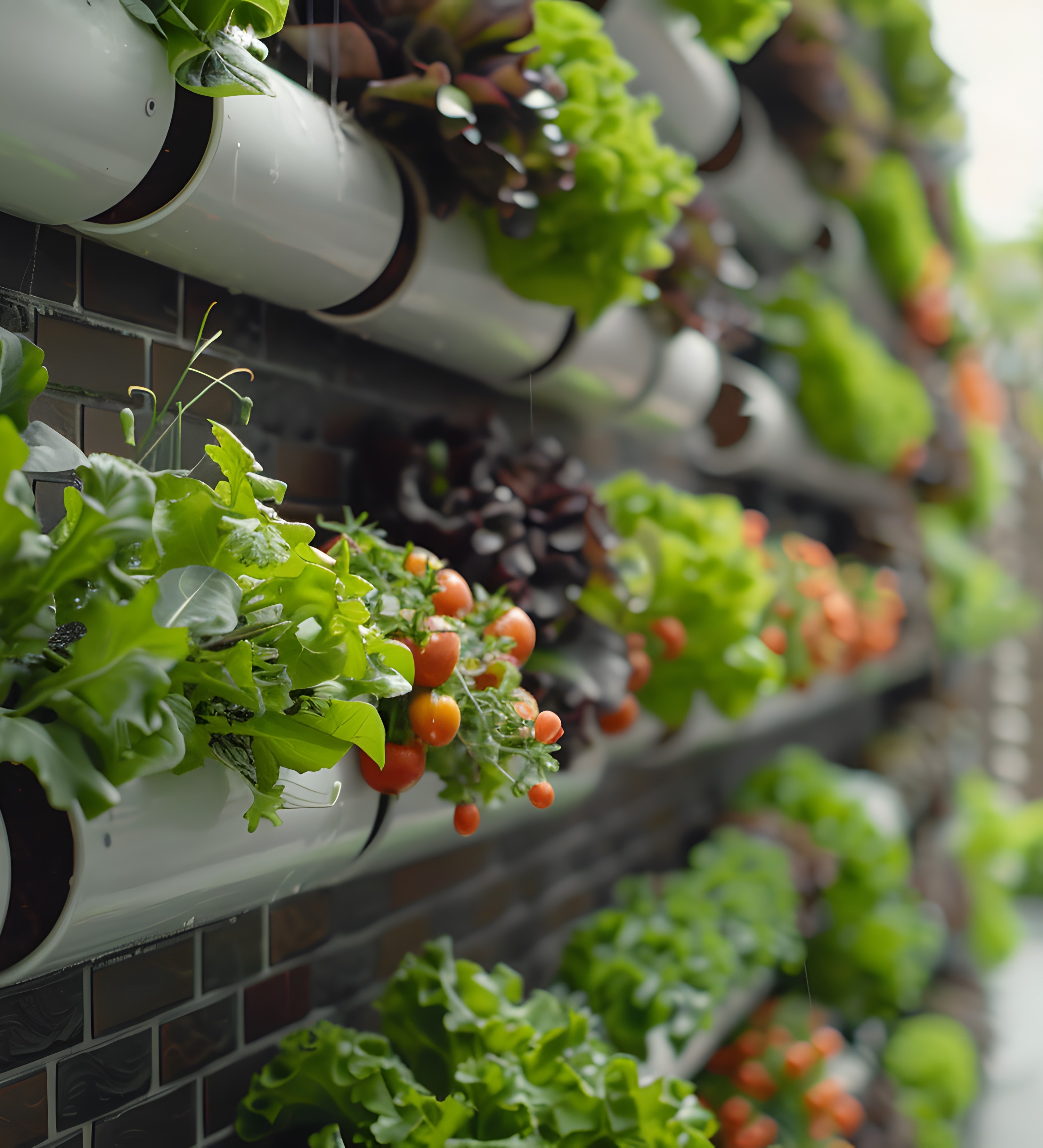
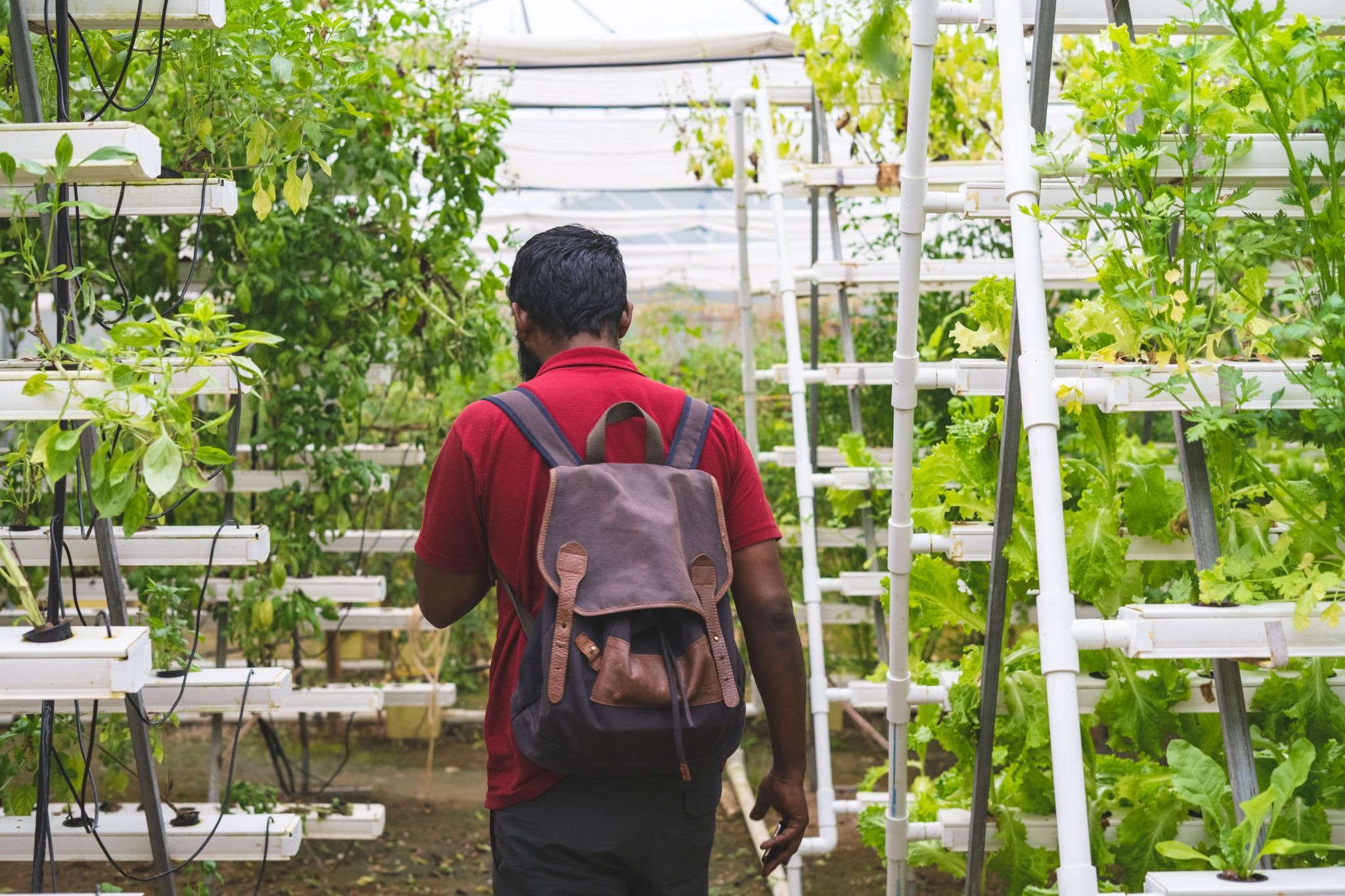
Vertical farming is exactly what it sounds like. Growing crops in stacked layers instead of spreading them across open land. Instead of one field producing a single layer of crops, you get multiple layers of production within the same footprint, often indoors or in structures like shipping containers, warehouses, or greenhouses.
Most vertical farms rely on soil-free techniques such as hydroponics (growing in nutrient-rich water), aeroponics (misting roots with nutrient solution), or aquaponics (combining fish farming with plant growth). Add LED lighting and climate control, and you get a system where temperature, humidity, and nutrients are dialled in with precision. Crops grow year-round, regardless of the monsoon’s mood outside.
Why Vertical Farming is Gaining Ground in India
India’s farmland is under real pressure. Shrinking per-capita landholdings, erratic rainfall, and rising input costs are pushing farmers and agri-entrepreneurs to seek smarter, less land-hungry ways to grow food. Vertical farming answers that need directly: it uses a fraction of the land and water that conventional farming does, while enabling multiple harvest cycles a year instead of one or two.
The market numbers reflect this momentum. India’s vertical farming sector was valued at roughly USD 100 million in 2025 and is projected to grow at a compound annual growth rate of over 20% through the next decade, according to the IMARC Group. Within this, hydroponics is the dominant growing method, making up close to 58% of the market, while building-based vertical farms, as opposed to container-based setups, account for about 64% of the structures in use. LED lighting alone commands nearly 29% of the component market, underlining just how central controlled-environment technology has become to this style of farming.
What’s driving this growth on the ground? Rising urban demand for pesticide-free, traceable produce; growing interest from agri-entrepreneurs in high-value crops like leafy greens, herbs, and exotic vegetables; and steady advances in affordable hydroponic and LED technology that are bringing setup costs down year after year.
Is Vertical Farming Right for Every Farmer?
Not necessarily, and that’s an honest answer. Vertical farming works best for high-value, fast-growing crops like lettuce, spinach, herbs, and strawberries, rather than staples like wheat or paddy. It also demands upfront capital for infrastructure, lighting, and climate control, so it suits farmers or entrepreneurs looking to diversify into premium produce or controlled-environment agriculture, rather than a full replacement for traditional cultivation. That said, many conventional farmers are exploring hybrid models, using protected cultivation for nurseries or high-value patches while farming the rest of their land traditionally.
How agribazaar Supports Farmers Navigating This Shift
Whether you’re sticking to traditional farming or exploring newer methods like vertical farming, having the right partner in your corner makes all the difference. agribazaar connects over 3 lakh farmers, 10,000+ traders & 200+ FPOs across 16 Indian states, helping them access transparent pricing and direct market linkages without middlemen.
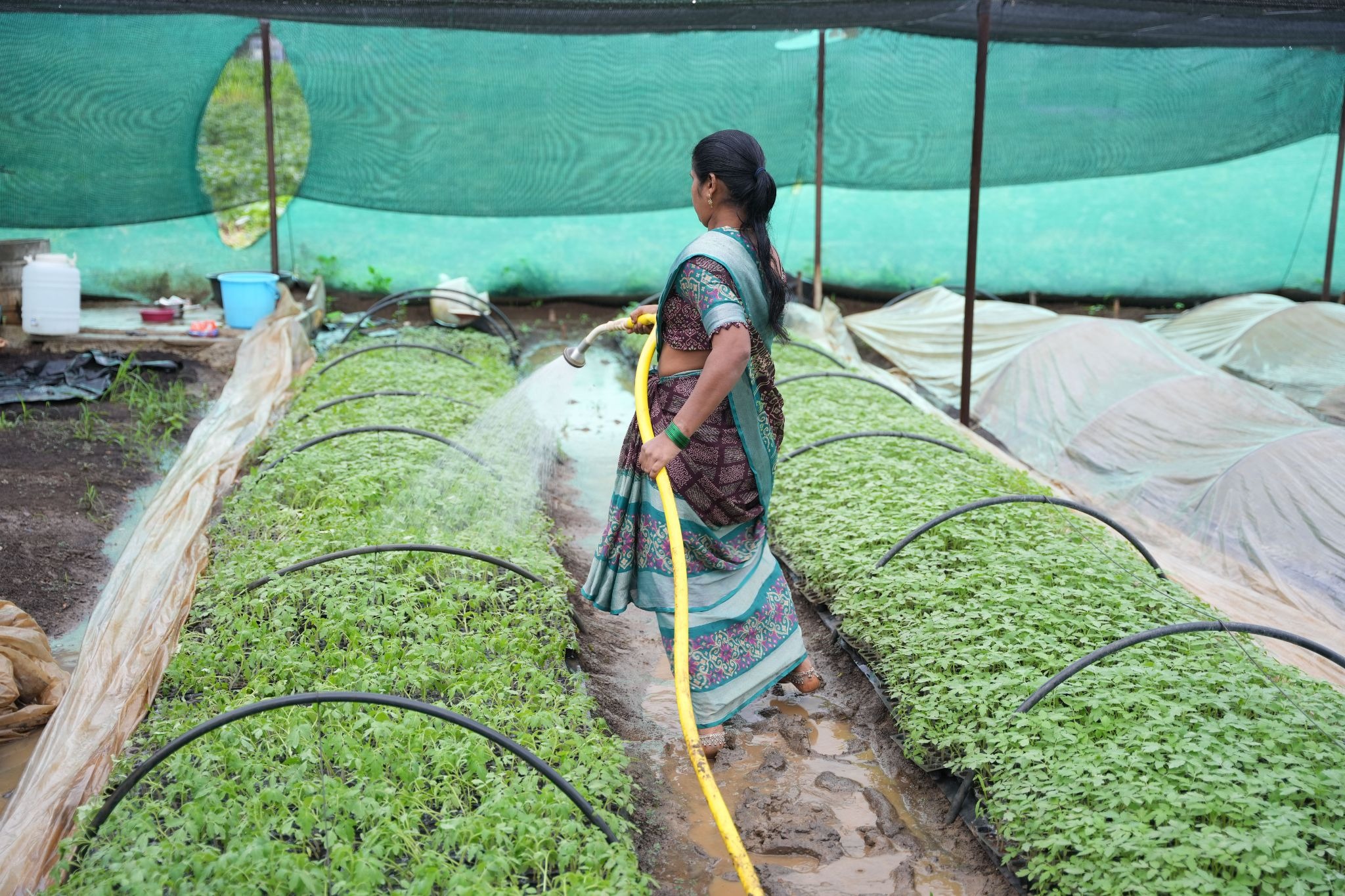
Beyond trading, agribazaar offers crop advisory backed by real-time farm updates and expert guidance, AI-powered crop health check-up (just snap a photo of your produce & get an instant quality report), and satellite-based precision agriculture tools that help farmers track crop health and plan cultivation more scientifically. Together, these tools give farmers a stronger footing, whether they’re working a traditional field or exploring something as advanced as a vertical farm.
The Road Ahead
Vertical farming isn’t going to replace India’s vast farmlands overnight, but it’s carving out a fast-growing niche, one that rewards farmers and entrepreneurs willing to experiment with technology and high-value crops. As land and water grow scarcer, this controlled, efficient way of growing food is likely to become an increasingly familiar part of India’s agricultural landscape.
Whatever path you choose, traditional fields or a stacked hydroponic setup, the fundamentals stay the same: reliable advisory support and good market access make all the difference to your bottom line. And that’s exactly where agribazaar steps in!
FAQs
- Is vertical farming suitable for small and marginal farmers in India?
Yes, on a smaller scale. Container-based or low-cost hydroponic setups can work even on limited land, though the upfront investment still needs careful planning. - Which crops are best suited for vertical farming?
Leafy greens, herbs, strawberries, and other fast-growing, high-value crops tend to work best, rather than staple grains like wheat or rice. - How much does it cost to set up a vertical farm in India?
Costs vary widely depending on scale, structure type, and technology used, from a few lakh rupees for a basic container setup to significantly more for large, building-based commercial farms. - Does vertical farming really use less water than traditional farming?
Yes. Techniques like hydroponics and aeroponics deliver nutrients directly to plant roots, significantly cutting water usage compared to conventional soil-based irrigation. - How can agribazaar help farmers interested in vertical farming or other advanced techniques?
Through crop advisory, AI-based quality testing, satellite-backed precision agriculture tools, and warehousing support, agribazaar helps farmers make informed decisions and manage produce more efficiently, whatever cultivation method they choose.
Disclaimer
The content published on this blog is provided solely for informational and educational purposes and is not intended as professional or legal advice. While we strive to ensure the accuracy and reliability of the information presented, agribazaar make no representations or warranties of any kind, express or implied, about the completeness, accuracy, suitability, or availability with respect to the blog content or the information, products, services, or related graphics contained in the blog for any purpose. Any reliance you place on such information is therefore strictly at your own risk. Readers are encouraged to consult qualified agricultural experts, agronomists, or relevant professionals before making any decisions based on the information provided herein. agribazaar, its authors, contributors, and affiliates shall not be held liable for any loss or damage, including without limitation, indirect or consequential loss or damage, or any loss or damage whatsoever arising from reliance on information contained in this blog. Through this blog, you may be able to link to other websites that are not under the control of agribazaar. We have no control over the nature, content, and availability of those sites and inclusion of any links does not necessarily imply a recommendation or endorsement of the views expressed within them. We reserve the right to modify, update, or remove blog content at any time without prior notice.