
 Jyoti Sharma
September 10, 2026
Jyoti Sharma
September 10, 2026
What if a farmer could identify crop stress before it became visible, receive location-specific weather information, track market prices digitally and connect with buyers beyond the local mandi?
In 2026, this is increasingly becoming part of the reality of Indian agriculture.
Farming in India has always depended on experience, local knowledge and an understanding of the land. Digital agriculture does not replace these strengths. Instead, technologies such as Artificial Intelligence (AI), satellite imagery, remote sensing, Geographic Information Systems (GIS), digital marketplaces and data analytics are adding another layer of intelligence to agricultural decision-making. And the scale at which this transformation is taking place is significant.
India is Building a Digital Agriculture Ecosystem
The Government of India’s Digital Agriculture Mission, approved with an outlay of ₹2,817 crore, is creating Digital Public Infrastructure for agriculture through initiatives such as AgriStack and the Krishi Decision Support System.
By February 2026, more than 7.63 crore Farmer IDs had been created and 23.5 crore crop plots surveyed under the Digital Agriculture Mission. The National Pest Surveillance System supports 66 crops and more than 432 pest types, while the Kisan e-Mitra AI chatbot has answered over 93 lakh farmer queries by December 2025.
Another interesting example came during Kharif 2025. An AI-based monsoon forecasting initiative reached 3.88 crore farmers across 13 states. Among surveyed farmers, 31–52% reported modifying sowing or land-preparation decisions based on the forecasts. Clearly, digital technology is beginning to influence decisions on the ground.
1. Farms Are Becoming More Visible Through Satellite Intelligence
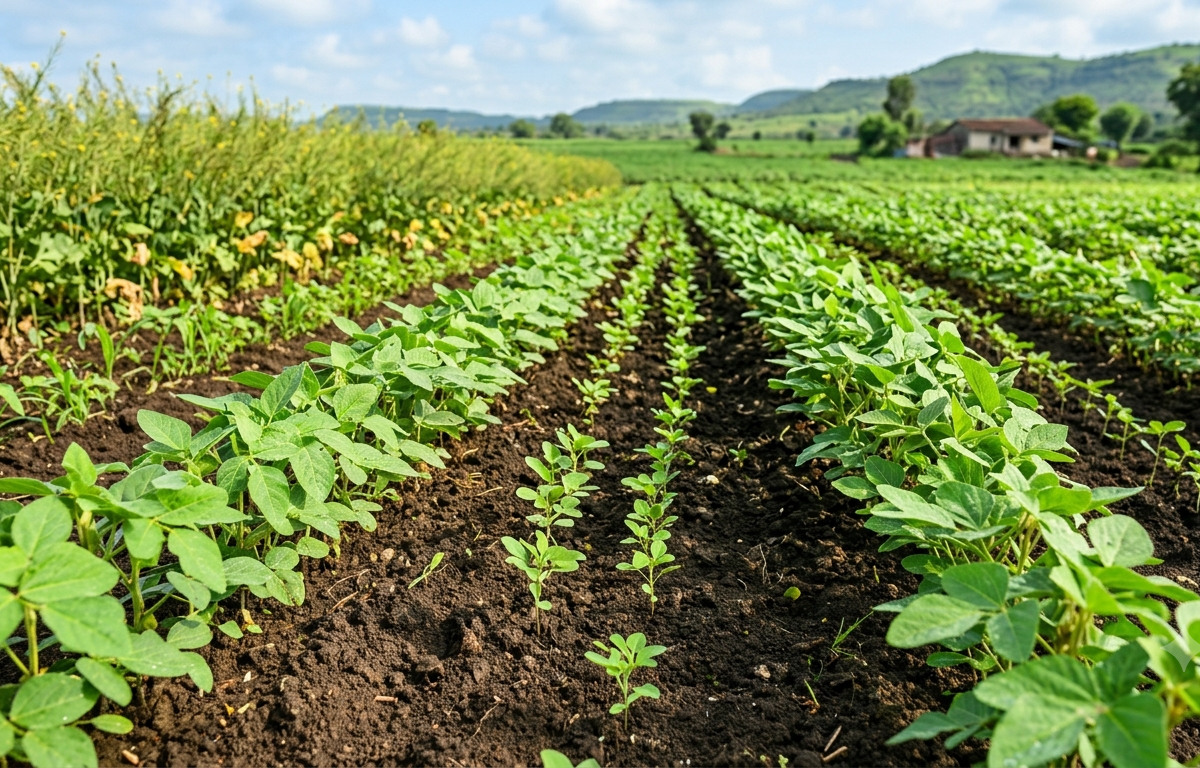
Traditionally, monitoring thousands of farms required extensive physical surveys. Satellite imagery and remote sensing are changing that. Digital platforms can help identify farm boundaries, monitor vegetation, analyse crop health and estimate acreage across large geographical areas. This can help farmers, agribusinesses, financial institutions and policymakers understand what is happening on agricultural land without depending entirely on physical inspections. This is particularly valuable in Indian Agriculture, where farms are spread across diverse climatic and geographical conditions.
2. Indian Agriculture Decisions Are Becoming More Data-Driven
Should irrigation happen today or can it wait? Is crop stress developing in one section of the field? Is rainfall likely to affect sowing?
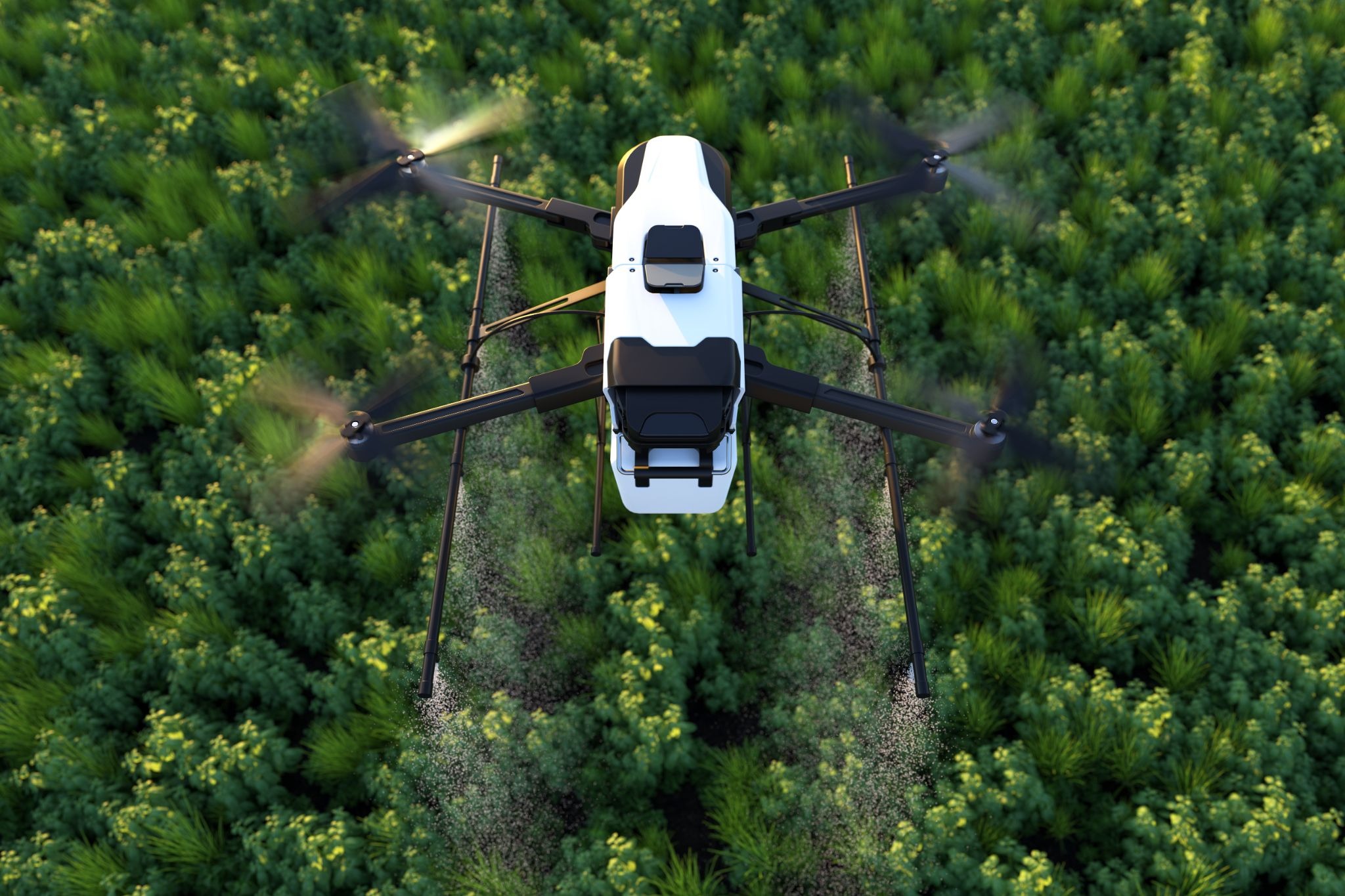
Digital agriculture can turn information on weather, soil, crop health and historical farm performance into actionable insights. Rather than reacting after a problem becomes serious, farmers and other stakeholders can increasingly use data to identify potential risks earlier and plan interventions more efficiently.
3. Digital Marketplaces Are Expanding Market Access
Technology is also changing what happens after the crop leaves the farm.
Digital agricultural marketplaces can connect farmers and sellers with a wider network of buyers, provide greater visibility into market information and facilitate transparent transactions and digital payments. This means the digital transformation of agriculture is not limited to increasing production. It can also improve how agricultural commodities are marketed and traded.
How agribazar fits into digitising Indian agriculture
agribazaar brings several parts of this digital ecosystem together through solutions spanning digital agricultural trade, precision agriculture, market intelligence, crop monitoring and secure digital payments. Its digital marketplace has connected 3 lakh+ farmers and facilitated more than 5 lakh successful trades. Another important part of the ecosystem is AgriBhumi, agribazaar’s satellite-powered land intelligence platform. It combines satellite imagery, AI, GIS and geo-tagged farm information to support crop monitoring and agricultural decision-making.
AgriBhumi has mapped 3 crore+ hectares of farmland. agribazaar has also geo-tagged approximately 4.7 lakh farms and integrated around 4.5 lakh farmers, demonstrating how digital farm intelligence can operate at scale.
The Next Chapter of Indian Agriculture is Connected
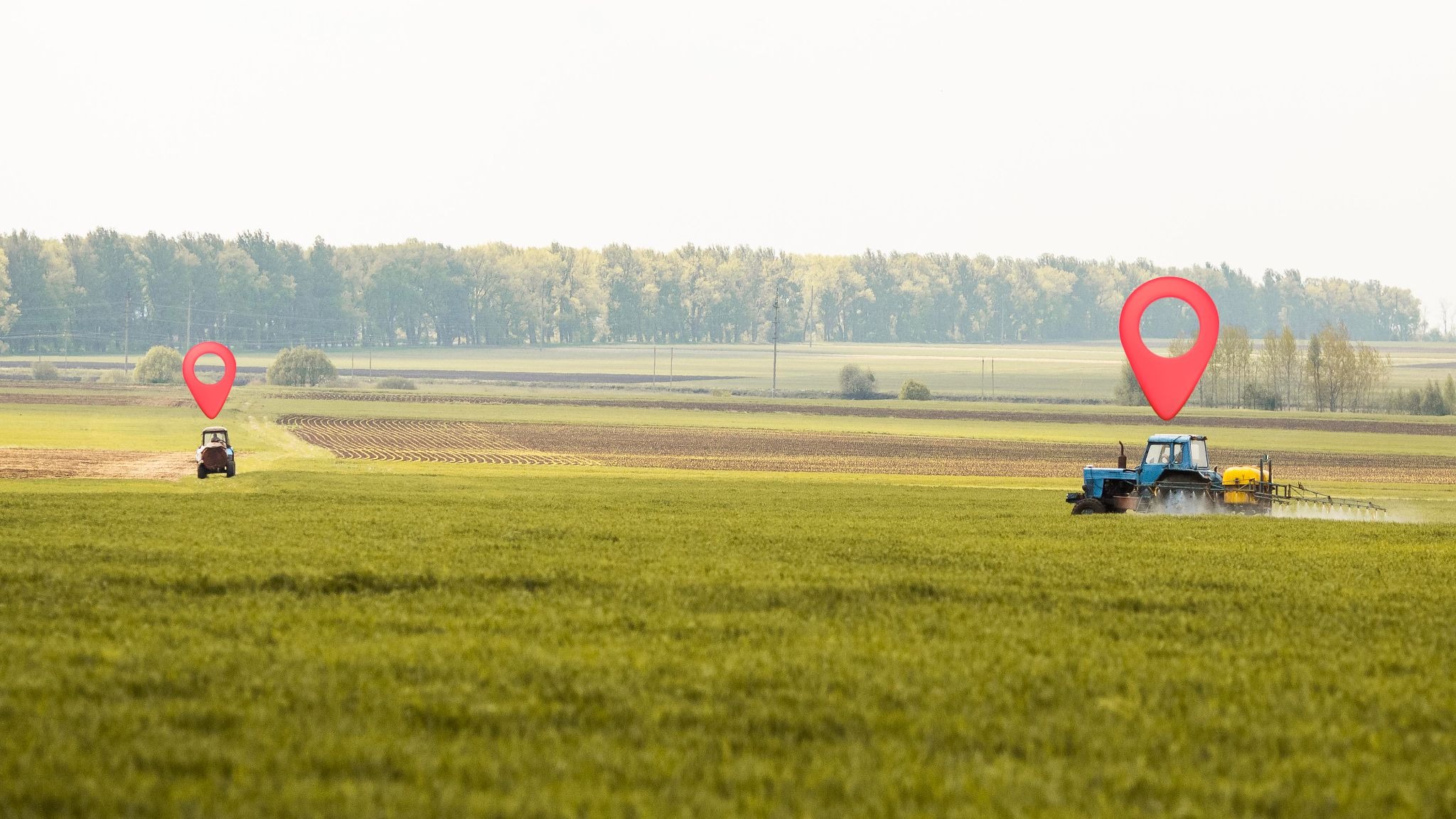
Digital agriculture is not about putting a smartphone in every farmer’s hand and calling agriculture digital. The bigger change lies in connecting farms, data, markets, financial institutions and agricultural services so that better information can lead to better decisions.
As AI, satellite monitoring, digital marketplaces and agricultural DPI continue to expand in 2026, Indian Agriculture is gradually moving towards an ecosystem where decisions can be faster, more informed and increasingly connected. The farmer’s experience will always matter. Digital technology simply gives that experience more information to work with.
FAQs
- What is digital agriculture in India?
Digital agriculture uses AI, satellites, drones, GIS and data analytics to improve farming decisions, productivity and market access. - How is technology changing Indian agriculture in 2026?
Technology is making Indian Agriculture more data-driven through crop monitoring, weather intelligence, digital marketplaces and smarter farm management. - What are the benefits of digital agriculture for farmers?
It helps farmers make informed decisions on sowing, irrigation, crop protection, harvesting and selling their produce. - How does satellite technology help Indian farmers?
Satellite technology enables remote crop monitoring, acreage estimation, crop-health assessment and better farm-level decision-making. - How is agribazaar contributing to digital agriculture?
agribazaar combines digital trading with crop intelligence, satellite-based farm monitoring, market information and digital payments.
Disclaimer
The content published on this blog is provided solely for informational and educational purposes and is not intended as professional or legal advice. While we strive to ensure the accuracy and reliability of the information presented, agribazaar make no representations or warranties of any kind, express or implied, about the completeness, accuracy, suitability, or availability with respect to the blog content or the information, products, services, or related graphics contained in the blog for any purpose. Any reliance you place on such information is therefore strictly at your own risk. Readers are encouraged to consult qualified agricultural experts, agronomists, or relevant professionals before making any decisions based on the information provided herein. agribazaar, its authors, contributors, and affiliates shall not be held liable for any loss or damage, including without limitation, indirect or consequential loss or damage, or any loss or damage whatsoever arising from reliance on information contained in this blog. Through this blog, you may be able to link to other websites that are not under the control of agribazaar. We have no control over the nature, content, and availability of those sites and inclusion of any links does not necessarily imply a recommendation or endorsement of the views expressed within them. We reserve the right to modify, update, or remove blog content at any time without prior notice.