 Jyoti Sharma
September 16, 2026
Jyoti Sharma
September 16, 2026
A farmer can grow an excellent crop and still struggle to earn the right value for it.
Why? Because production is only one half of the agricultural equation. The other half begins after harvest: finding buyers, understanding prices, negotiating terms, ensuring quality, receiving payments, and getting produce to the right market.
This is where market linkages become important.
What are market linkages in agriculture?
Market linkages are the connections that help farmers and agricultural producers access buyers and markets for their produce. These buyers could be traders, processors, retailers, exporters, institutions or even buyers located outside the farmer’s immediate region.
Think of it this way: growing a crop creates supply. A market linkage connects supply with demand.
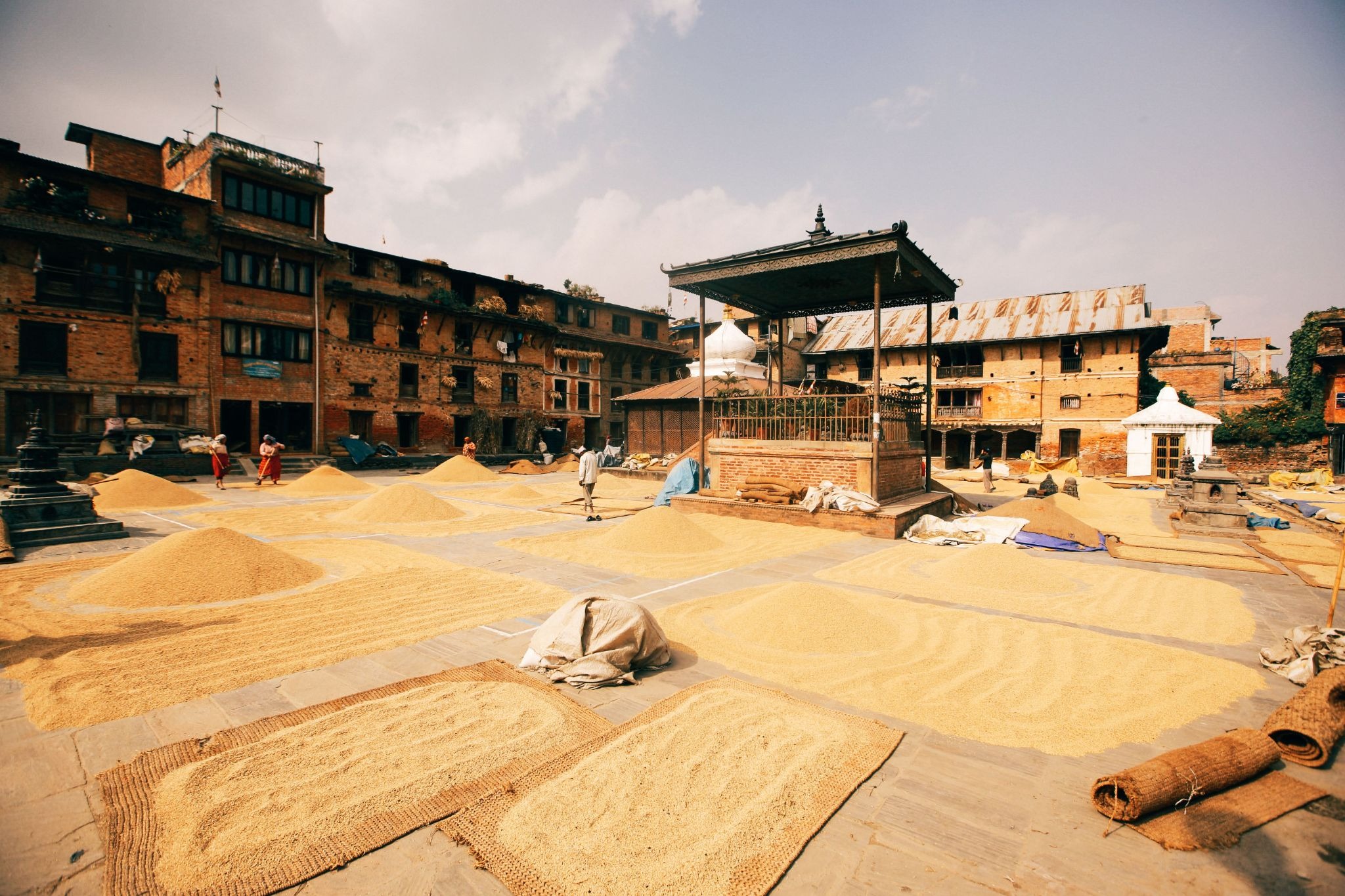
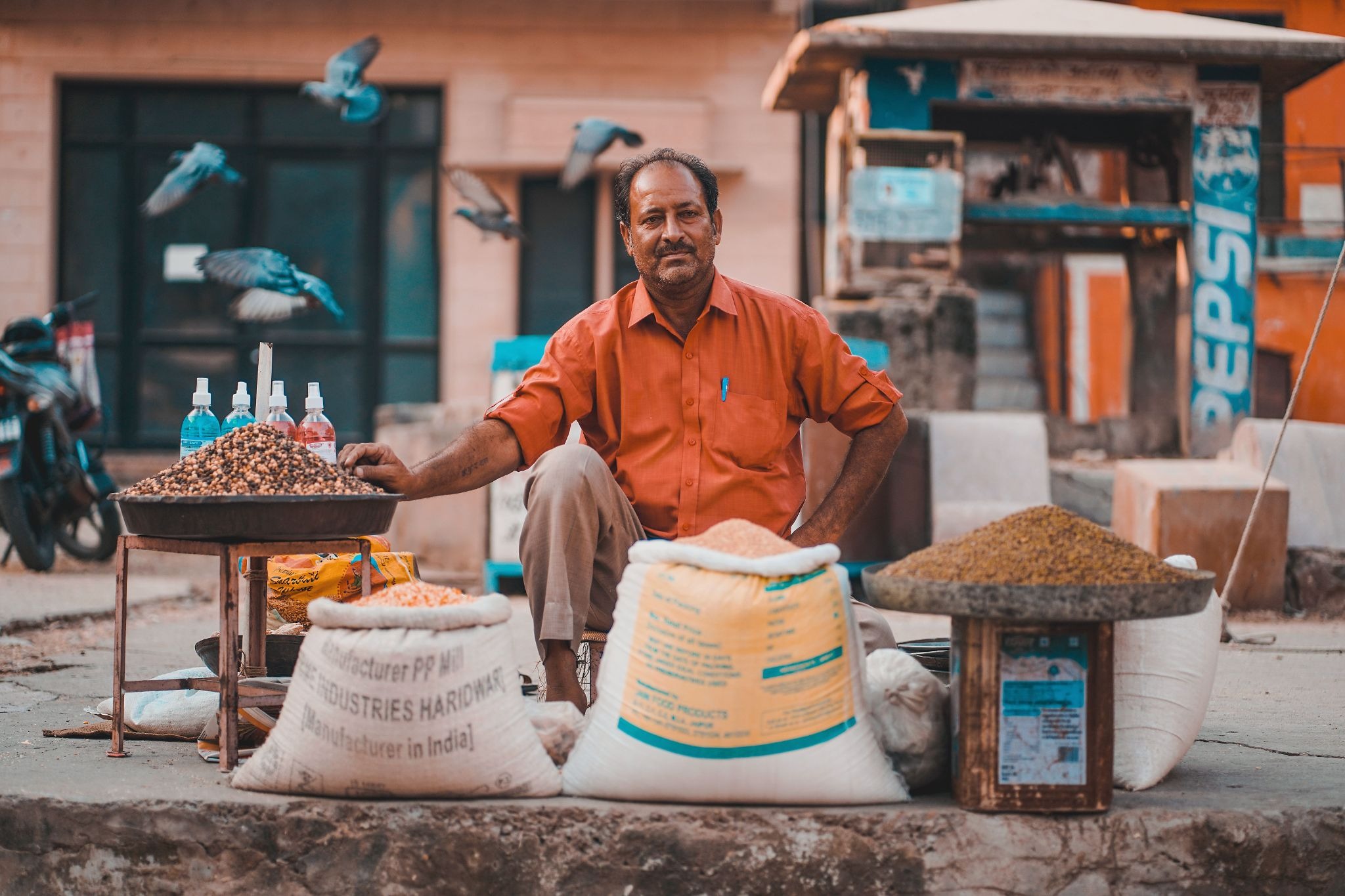
Traditionally, these connections were heavily influenced by geography. Farmers generally sold through nearby mandis, traders or intermediaries. While these channels continue to play an important role, digital agriculture is making the market much larger.
The scale of this transition is already visible. As of March 2026, the Govt of India’s e-NAM platform had integrated 1,656 mandis across 23 states and four Union Territories, with more than 1.80 crore farmers, 2.73 lakh traders and 4,724 FPOs registered. Cumulative trade on the platform had reached approximately ₹4.84 lakh crore.
A market linkage is more than finding a buyer
Suppose a farmer receives the phone number of a buyer located 500 kilometres away. Technically, a connection has been made. But is it a useful market linkage? Not necessarily.
An effective linkage needs supporting information and infrastructure. The farmer should ideally know the prevailing market price, buyer requirements, quality specifications, quantity required, payment terms, and how the transaction will be completed.
This is why modern agricultural market linkages increasingly combine market discovery, price information, quality assessment, digital transactions, and wider buyer access.
Why do farmers need wider market access?
Limited buyer choice can weaken a farmer’s negotiating position. When produce must be sold quickly, and only a few buyers are accessible, the ability to compare demand and prices becomes limited.
Better market linkages can change that equation.
They can help farmers explore buyers beyond their immediate location, compare market opportunities, and make more informed selling decisions. For FPOs, aggregation can make these linkages even more useful because larger volumes can attract institutional buyers that individual smallholders may find difficult to access independently.
Digital platforms also make geographical distance less relevant during the discovery and negotiation stage. A buyer and seller no longer necessarily need to be standing in the same mandi to discover each other.
From “Where can I sell?” to “Who should I sell to?”
The traditional question was often: Where is the nearest market?
The emerging question is: Which available market opportunity works best for my produce?
Digital marketplaces can bring verified buyers and sellers onto common platforms, allow commodities to be listed digitally and make market information easier to access. This does not mean physical agricultural markets disappear. Instead, digital infrastructure adds another layer of choice and connectivity.
How agribazaar strengthens market linkages
agribazaar was built around this idea of connecting participants across the agricultural value chain through technology. Its digital ecosystem connects a nationwide network of 3 lakh+ farmers, traders, processors and institutional buyers. agribazaar has facilitated 6 lakh+ trades involving more than 12 MMT of agricultural commodities through its digital platform.
Through the agribazaar marketplace, farmers and sellers can discover market opportunities, while buyers can source agricultural commodities through a digital ecosystem.
The marketplace provides access to verified buyers and sellers, market information, deal creation and negotiation, product quality verification options, and integrated payment processes. The broader digital ecosystem also includes AgriPay and technology-led agricultural tools designed to make participation in the agricultural value chain simpler and more transparent.
The next market may not be the nearest
For decades, distance played a major role in determining where agricultural produce could be sold. Technology is gradually changing that assumption.
The future of market linkages is not simply about putting agriculture online. It is about giving farmers greater visibility into demand, helping buyers discover supply, and creating more transparent connections between the two.
For farmers, that means the market opportunity for a harvest need not end at the boundary of the nearest mandi. It can begin there and potentially extend much further.
FAQs
- What are Market Linkages in agriculture?
Market linkages connect farmers and agricultural producers with buyers, traders, processors, institutions and other markets where their produce can be sold. - Why are market linkages important for farmers?
They can expand buyer access, improve market visibility and help farmers compare available selling opportunities rather than depending on a limited local buyer network. - How does technology improve agricultural market linkages?
Digital platforms make it easier to discover buyers, access market information, negotiate transactions and participate in markets beyond the immediate geographical area. - Can FPOs benefit from market linkages?
Yes. FPOs can aggregate produce from multiple farmers, creating larger marketable quantities and potentially improving their ability to engage institutional buyers. - How does agribazaar connect farmers with markets?
agribazaar provides a digital agricultural marketplace connecting farmers and sellers with traders, processors and institutional buyers while supporting digital trade and market discovery.
Disclaimer
The content published on this blog is provided solely for informational and educational purposes and is not intended as professional or legal advice. While we strive to ensure the accuracy and reliability of the information presented, agribazaar make no representations or warranties of any kind, express or implied, about the completeness, accuracy, suitability, or availability with respect to the blog content or the information, products, services, or related graphics contained in the blog for any purpose. Any reliance you place on such information is therefore strictly at your own risk. Readers are encouraged to consult qualified agricultural experts, agronomists, or relevant professionals before making any decisions based on the information provided herein. agribazaar, its authors, contributors, and affiliates shall not be held liable for any loss or damage, including without limitation, indirect or consequential loss or damage, or any loss or damage whatsoever arising from reliance on information contained in this blog. Through this blog, you may be able to link to other websites that are not under the control of agribazaar. We have no control over the nature, content, and availability of those sites and inclusion of any links does not necessarily imply a recommendation or endorsement of the views expressed within them. We reserve the right to modify, update, or remove blog content at any time without prior notice.