 Jyoti Sharma
November 12, 2026
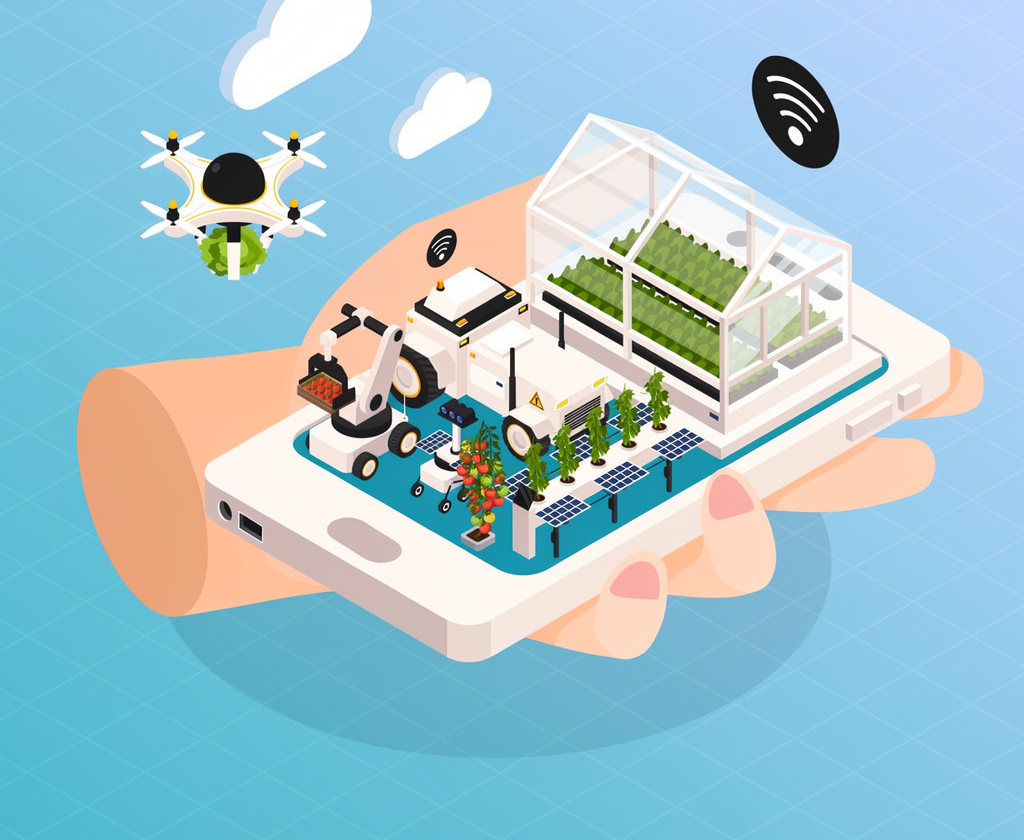
Agriculture is entering a phase where farming decisions are increasingly supported by data, digital tools and intelligent technologies. From satellite-based crop monitoring to AI-powered disease detection, technology is changing how farmers understand their fields and manage agricultural resources.
This shift is particularly interesting when viewed through the lens of organic and conventional farming. While both approaches follow different cultivation practices, they share several objectives: maintaining crop health, improving productivity, managing resources efficiently and reducing avoidable losses.
Artificial Intelligence (AI) is creating opportunities to support both systems. Rather than replacing traditional farming knowledge or prescribing a single approach, digital agriculture can help farmers make more informed decisions based on field conditions, crop requirements and available resources.
Understanding organic and conventional farming
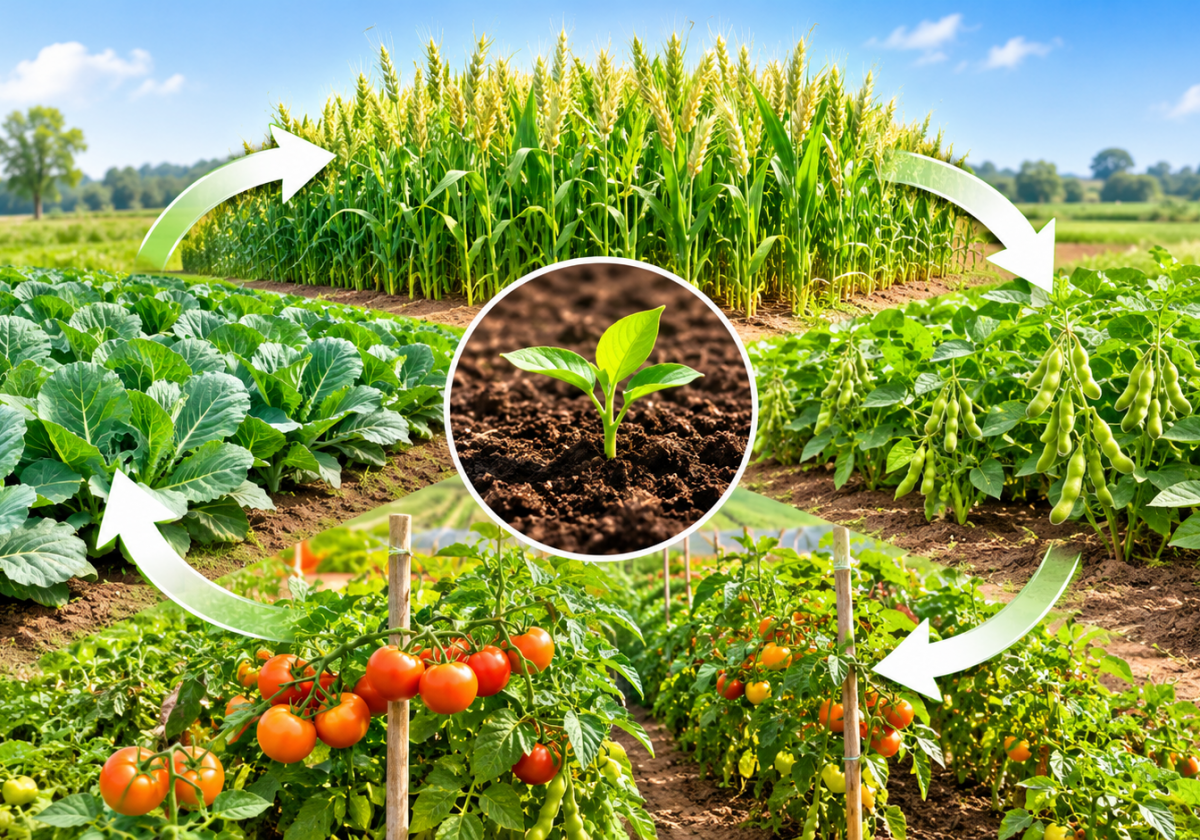
Organic farming focuses on natural inputs and ecological processes to maintain soil fertility and manage pests. It generally avoids synthetic fertilisers and pesticides that are prohibited under applicable organic standards. Crop rotation, composting, biological pest control and natural soil amendments are common practices.
Conventional farming, on the other hand, generally combines modern agricultural inputs, mechanisation, improved seed varieties and crop protection products to achieve production objectives. Depending on the farming system, it may use synthetic fertilisers and pesticides alongside other sustainable practices.
Although their methods differ, both systems require accurate information about soil conditions, crop development, weather patterns, nutrient requirements and pest activity.
This is where AI-driven digital agriculture can create value.
How AI is changing agricultural decision-making
AI technologies process large volumes of information from satellite imagery, weather systems, sensors, field observations and historical crop data. Machine learning models analyse these inputs to identify patterns, detect potential risks and generate insights that support farm management.
According to the OECD’s February 2026 report on AI adoption, artificial intelligence is increasingly being applied across the agricultural cycle, including soil preparation, sowing, irrigation, crop monitoring, pest management, harvesting and storage.
Some important applications include:
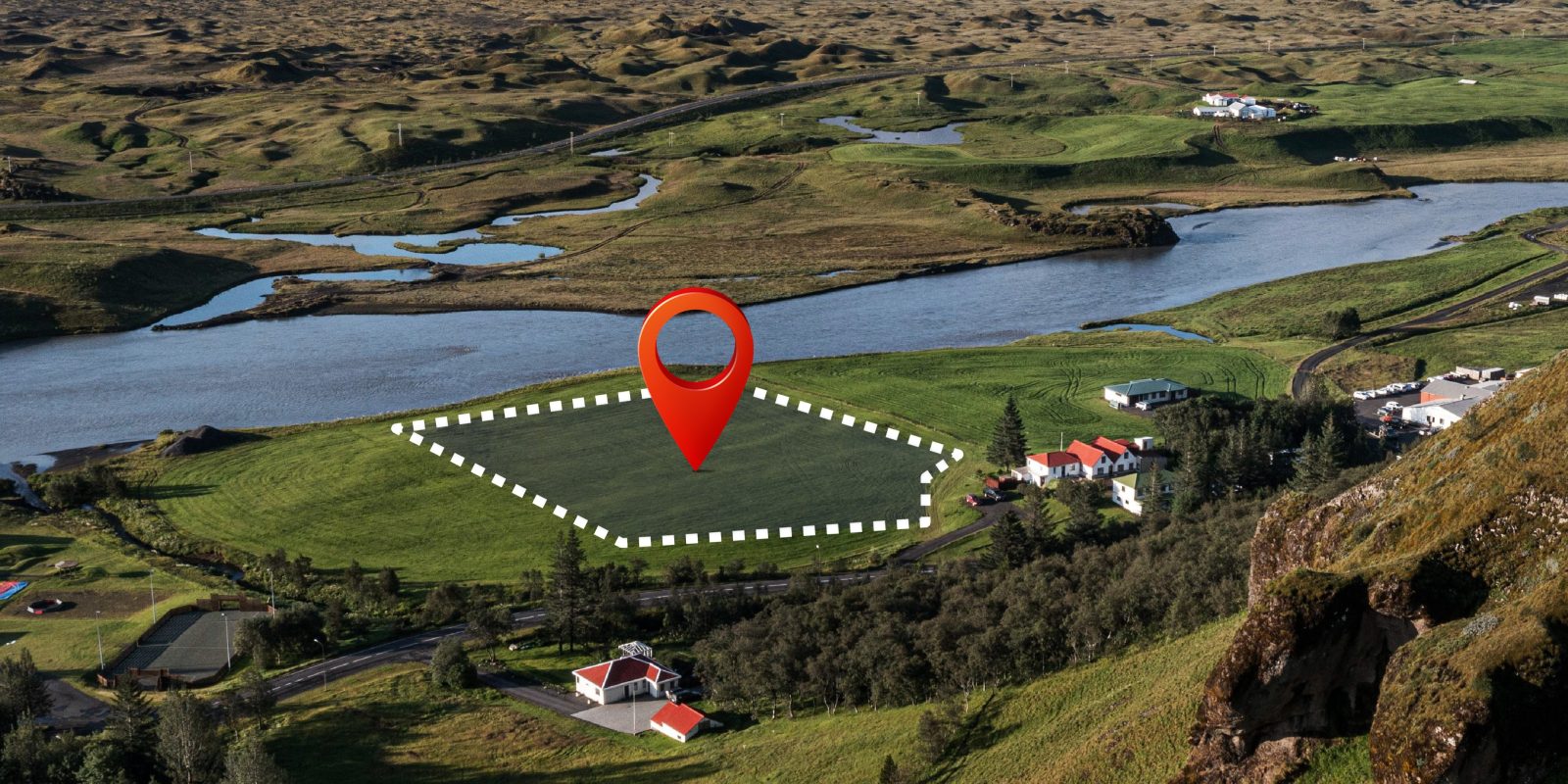
- Satellite-based crop monitoring: Satellite imagery allows agricultural stakeholders to observe crop conditions across large geographical areas. AI models can analyse vegetation patterns and identify areas showing signs of crop stress. For organic farmers, these insights can help prioritise field inspections and identify areas that may require changes in irrigation, biological pest management or soil treatment. Conventional farmers can use similar information to assess crop development and plan timely interventions.
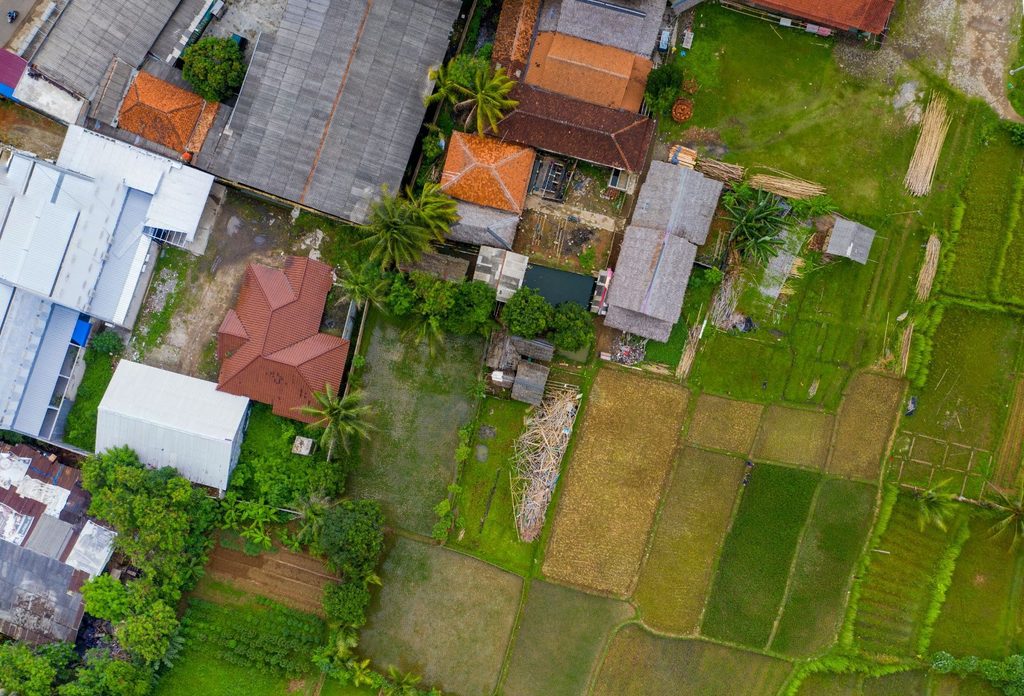
- AI-powered pest and disease detection: Early detection is important for limiting crop damage. AI-powered image analysis and predictive models can help identify visible symptoms of diseases, pest activity and other crop-health concerns. In organic farming, early alerts can help farmers consider biological control methods and other permitted interventions. In conventional farming, they can support more targeted crop protection decisions.
However, AI-generated alerts should be verified through field observations and appropriate agronomic expertise before treatment decisions are made.
- Smarter soil and nutrient management: Soil conditions vary across farms and even within individual fields. AI can combine soil information, crop history and other field data to help identify variations in nutrient requirements. Organic farmers can use these insights to plan compost application, green manuring and other soil-building practices. Conventional farmers can use them to make more informed fertiliser application decisions.
- Weather and irrigation intelligence: Unpredictable rainfall, changing temperatures and water availability can affect both organic and conventional cultivation. AI-based weather analysis and irrigation planning can help farmers identify suitable irrigation windows and anticipate weather-related risks. This supports more efficient water use and helps prevent unnecessary irrigation.
Organic vs Conventional Farming: Where does AI fit?
The value of AI lies in its ability to adapt insights to different farming requirements.
| Application | Organic farming | Conventional farming |
| Crop monitoring | Identify stress and support field inspections | Track crop growth and identify problem areas |
| Pest management | Support timely biological control interventions | Improve targeting of permitted crop protection measures |
| Soil management | Plan organic amendments and soil-building practices | Optimise nutrient application |
| Irrigation | Support water-efficient cultivation | Improve irrigation scheduling |
| Yield estimation | Support harvest planning and farm assessment | Improve production planning and procurement forecasts |
The technology does not make organic farming conventional or eliminate the need for synthetic inputs in conventional systems. Instead, it helps both approaches use available information more effectively.
Can AI make farming more sustainable?
One of the most promising aspects of digital agriculture is its potential to improve resource efficiency.
More accurate irrigation planning can help reduce unnecessary water consumption. Targeted nutrient management can minimise excess application, while early pest detection can help avoid unnecessary crop protection interventions.
A research review published in October 2026 in Discover Agriculture examines AI applications across precision irrigation, soil and nutrient management, disease monitoring and agricultural robotics. It also highlights the importance of reliable datasets, model transparency and local validation before AI solutions are applied at scale. This is particularly relevant for India, where differences in soil types, climate, farm sizes and cultivation practices make locally relevant recommendations essential.
The FAO’s 2026 work on smart farming also emphasises the role of AI, IoT, digital technologies and precision agriculture in improving resource management and supporting sustainable agrifood systems.
How agribazaar is supporting digital agriculture
For digital agriculture to deliver meaningful results, technology must translate information into practical farm-level insights. agribazaar brings together digital agricultural services designed to support decision-making across the cultivation and post-harvest stages.
Its AgriBhumi platform uses satellite imagery, machine learning and geospatial intelligence to provide agricultural land and crop-related insights. Its crop assessment capabilities combine AI, ML and GIS to support crop-health monitoring, yield estimation, pest and disease identification, and field-level assessment. These capabilities can help agricultural stakeholders understand crop conditions across larger areas, identify potential risks and plan interventions more effectively.
Other digital offerings, including crop advisory, AgriKnow and Farm Scorecard, contribute to a wider information ecosystem. The platform’s technology-led approach also supports better visibility into agricultural land, crop development and market-related activities. For organic and conventional farmers alike, such insights can support more informed decisions while leaving cultivation choices aligned with the applicable farming practices and certification requirements.
The road ahead for digital farming
Organic and conventional farming may follow different approaches, but both can benefit from better information and timely decision-making. AI will not replace farmers’ experience, local agricultural knowledge or the need for field-level verification. Its real value lies in helping farmers interpret complex information, identify risks earlier and use resources more efficiently.
As digital agriculture becomes more accessible, the combination of agricultural expertise and intelligent technology can support a more informed, productive and resource-conscious farming ecosystem.
FAQs
- How does AI help organic farming?
AI helps organic farmers monitor crop health, identify pest and disease risks, assess soil conditions and plan irrigation and permitted crop management interventions.
- Can AI be used in conventional farming?
Yes. AI can support precision irrigation, fertiliser planning, pest detection, yield estimation and crop monitoring in conventional farming systems.
- Does AI-driven agriculture support sustainable farming?
It can support more efficient water and nutrient use, targeted interventions and early risk detection, although results depend on data quality and implementation.
- What is the role of satellite imagery in digital agriculture?
Satellite imagery helps monitor crop conditions over large areas and identify variations in vegetation, crop stress and potential yield patterns.
- How does agribazaar support AI-driven agriculture?
agribazaar offers technology-led services such as AgriBhumi, AI/ML/GIS-based crop assessment, satellite monitoring, crop-health insights and agricultural advisory solutions.
Disclaimer
The content published on this blog is provided solely for informational and educational purposes and is not intended as professional or legal advice. While we strive to ensure the accuracy and reliability of the information presented, agribazaar make no representations or warranties of any kind, express or implied, about the completeness, accuracy, suitability, or availability with respect to the blog content or the information, products, services, or related graphics contained in the blog for any purpose. Any reliance you place on such information is therefore strictly at your own risk. Readers are encouraged to consult qualified agricultural experts, agronomists, or relevant professionals before making any decisions based on the information provided herein. agribazaar, its authors, contributors, and affiliates shall not be held liable for any loss or damage, including without limitation, indirect or consequential loss or damage, or any loss or damage whatsoever arising from reliance on information contained in this blog. Through this blog, you may be able to link to other websites that are not under the control of agribazaar. We have no control over the nature, content, and availability of those sites and inclusion of any links does not necessarily imply a recommendation or endorsement of the views expressed within them. We reserve the right to modify, update, or remove blog content at any time without prior notice.