 Jyoti Sharma
October 8, 2026
Jyoti Sharma
October 8, 2026
Vertical farming can produce more crops in less physical space, but growing upward does not automatically mean using less water. The real advantage comes from controlling how, when and where water reaches the crop. This is where smart irrigation systems are becoming increasingly important.
In a controlled environment, every input can be measured, such as nutrient concentration, temperature, humidity and water flow. Instead of irrigating an entire growing area on a fixed schedule, smart systems can respond to the actual needs of plants. The result is better water management, more consistent crop growth and lower resource wastage.
The need for such efficiency extends beyond vertical farms. According to the FAO, agriculture accounts for 72% of global freshwater withdrawals, making efficient agricultural water management increasingly important. The organisation also estimates that agricultural production will need to generate 50% more food, feed and fibre by 2050 compared with 2012, while freshwater demand is expected to rise further.
What is smart irrigation in vertical farming?
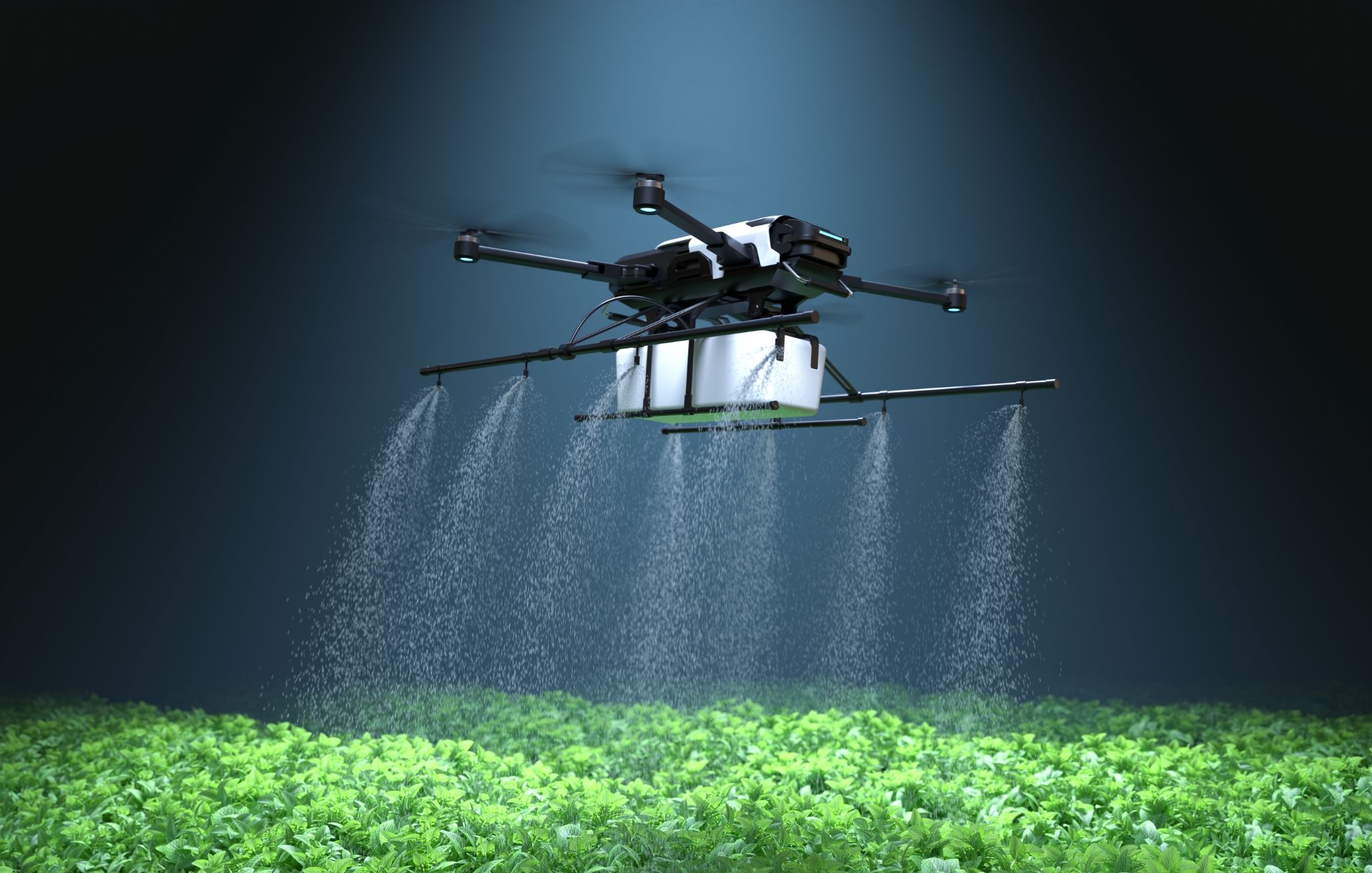
Smart irrigation combines irrigation equipment with sensors, automation and data-driven controls to deliver water according to crop requirements.
In a vertical farm, this can involve sensors that monitor factors such as moisture, temperature, humidity, nutrient levels and water flow. Automated pumps, valves and controllers then adjust irrigation based on predefined or real-time conditions. This is particularly useful in vertical farming because plants are grown in stacked layers, often in hydroponic, aeroponic or other soilless systems. A small difference in water delivery can affect multiple plants, making precise irrigation important.
“How much water should be supplied every day?” is not the question now.
“How much water does the crop actually need at this stage of growth?” should be the focus now.
1. Precise irrigation reduces wastage
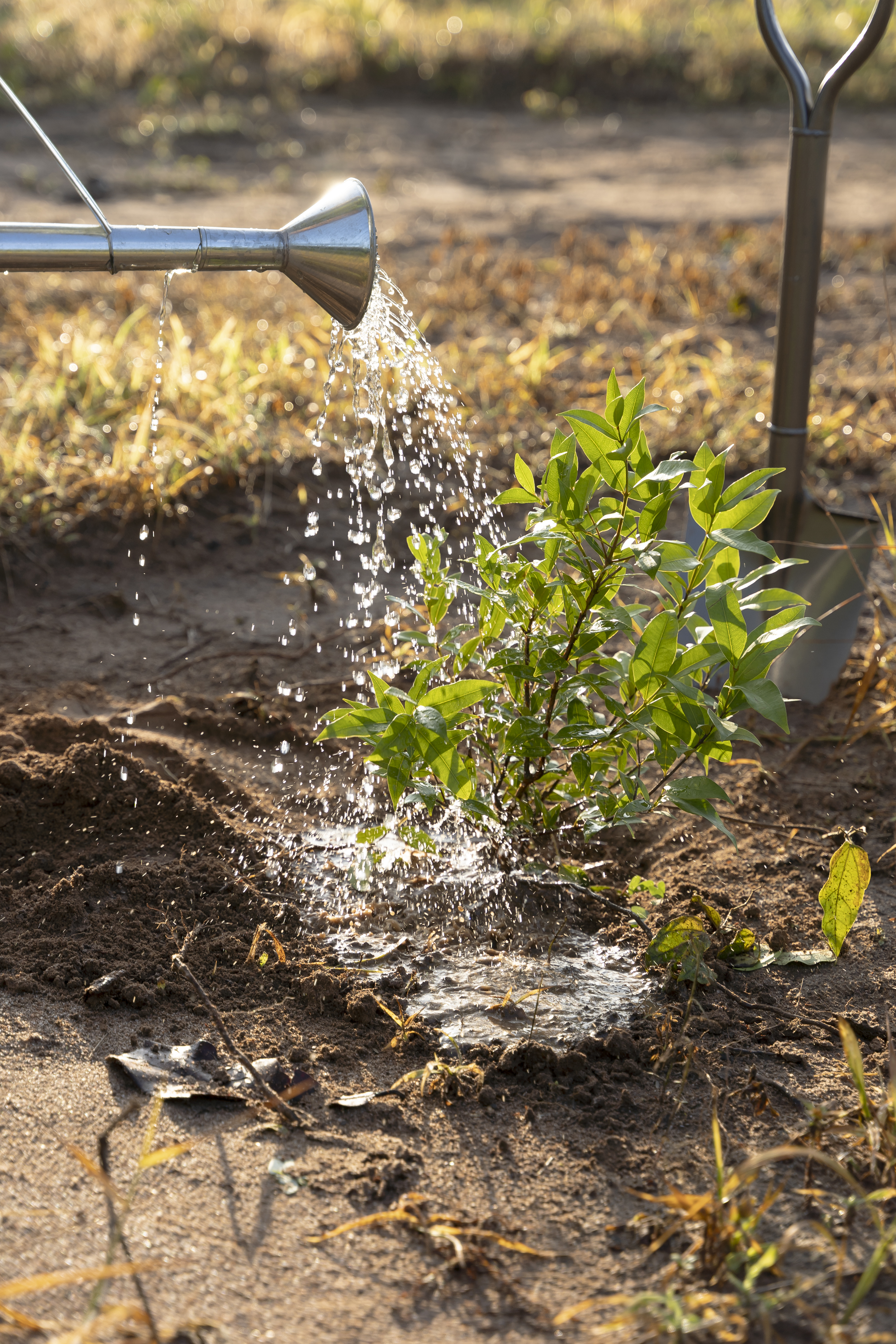
Traditional irrigation can result in water being applied uniformly even when different plants or crop stages have different requirements.
Smart irrigation enables more controlled delivery. Water can be supplied in smaller quantities and at specific intervals, reducing unnecessary application and improving the consistency of the growing environment. In recirculating vertical farming systems, excess nutrient solution can also be collected, monitored and reused. This means water does not simply leave the system after one irrigation cycle.
India is already moving towards this broader approach. As of July 2026, more than 115 lakh hectares had been brought under micro-irrigation through the government’s Per Drop More Crop initiative. The programme promotes drip and sprinkler systems to improve water-use efficiency and reduce losses.
2. Sensors make irrigation more responsive
A fixed irrigation schedule cannot account for changing crop conditions. Temperature, humidity, plant growth and water consumption can vary throughout the day.
Sensors provide continuous information that can help automated systems respond to these changes. For example, if environmental conditions indicate lower water demand, irrigation frequency can be adjusted. If plants require more water during a particular growth stage, the system can respond accordingly. And over time, the data generated by this cycle can also help growers identify patterns and improve irrigation strategies.
3. Better irrigation can support better crop growth
In vertical farming, inconsistent irrigation can affect crop quality, nutrient availability and plant development. Over-irrigation can create problems such as nutrient imbalance or root-zone issues, while insufficient water can stress plants.
Smart systems help maintain more consistent conditions by delivering water and nutrients in a controlled manner. This precision becomes especially valuable when farms grow high-value crops such as leafy greens, herbs and microgreens, where uniformity and quality directly influence commercial returns.
4. Data can make water management smarter
Technologies such as remote sensing, GIS, crop monitoring and analytics can help build a more complete understanding of crop conditions. Platforms such as agribazaar use technology across agriculture for applications including crop advisory, acreage and yield estimation, satellite/remote-sensing based assessment and customised agronomy.
For growers, combining crop information with environmental and irrigation data can help move from routine-based farming towards more precise resource management.
5. Water efficiency will become more important
India’s focus on water-efficient agriculture is growing. The govt’s Per Drop More Crop programme reported 115 lakh hectares under micro-irrigation by July 2026, while more than ₹8,123 crore in central assistance had been released during the preceding three years.
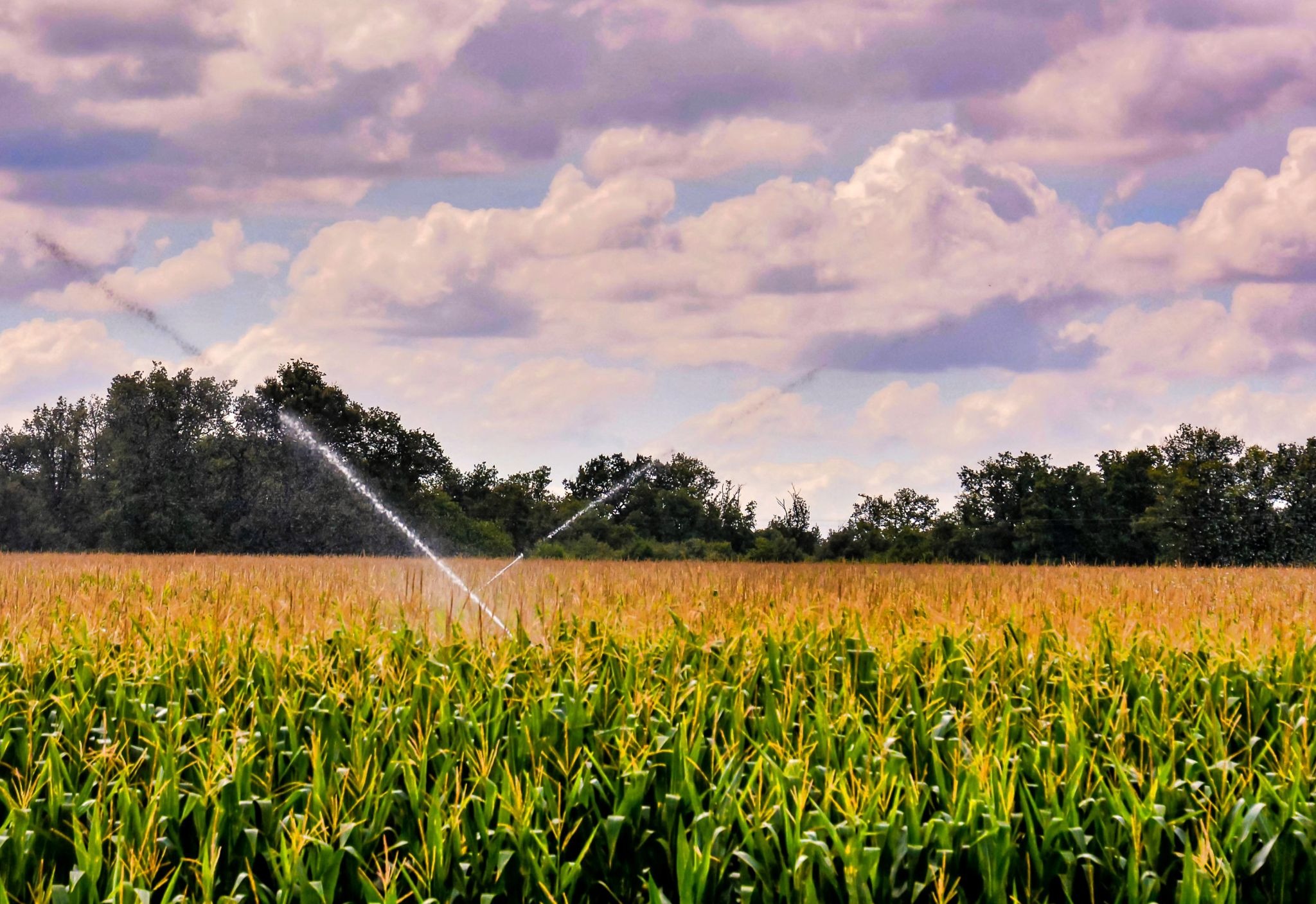
Vertical farming operates on a different scale and uses different production systems, but the underlying objective to produce more while using resources more carefully remains relevant.
For the future of controlled-environment agriculture, smart irrigation can therefore become more than an automation feature. It can serve as an important part of a data-driven production system where every drop is measured, monitored and directed towards crop productivity.
FAQs
- What is smart irrigation in vertical farming?
Smart irrigation uses sensors, automation and data to determine when and how much water crops need, allowing irrigation to be adjusted according to crop and environmental conditions. - How does smart irrigation save water?
It reduces unnecessary irrigation by delivering controlled quantities of water at appropriate intervals. Recirculating systems can also collect and reuse water. - Why is water efficiency important in vertical farming?
Vertical farms depend heavily on controlled resource management. Efficient irrigation can reduce water wastage while supporting consistent crop growth and quality. - Can sensors improve irrigation decisions?
Yes. Sensors can monitor factors such as moisture, temperature, humidity and water flow. This information can help automated systems adjust irrigation according to changing conditions. - How can agricultural technology support smarter water management?
Technologies such as crop monitoring, remote sensing, GIS, agronomy and data analytics can provide additional information for making more precise agricultural decisions. agribazaar brings several of these digital capabilities together for agriculture.
Disclaimer
The content published on this blog is provided solely for informational and educational purposes and is not intended as professional or legal advice. While we strive to ensure the accuracy and reliability of the information presented, agribazaar make no representations or warranties of any kind, express or implied, about the completeness, accuracy, suitability, or availability with respect to the blog content or the information, products, services, or related graphics contained in the blog for any purpose. Any reliance you place on such information is therefore strictly at your own risk. Readers are encouraged to consult qualified agricultural experts, agronomists, or relevant professionals before making any decisions based on the information provided herein. agribazaar, its authors, contributors, and affiliates shall not be held liable for any loss or damage, including without limitation, indirect or consequential loss or damage, or any loss or damage whatsoever arising from reliance on information contained in this blog. Through this blog, you may be able to link to other websites that are not under the control of agribazaar. We have no control over the nature, content, and availability of those sites and inclusion of any links does not necessarily imply a recommendation or endorsement of the views expressed within them. We reserve the right to modify, update, or remove blog content at any time without prior notice.