 Jyoti Sharma
July 16, 2026
Jyoti Sharma
July 16, 2026
Ask any farmer who has watched their soil turn pale and cracked over the years, and they’ll tell you something has changed.
Fields that once yielded generously now need more fertiliser just to keep pace.
It’s not a coincidence.
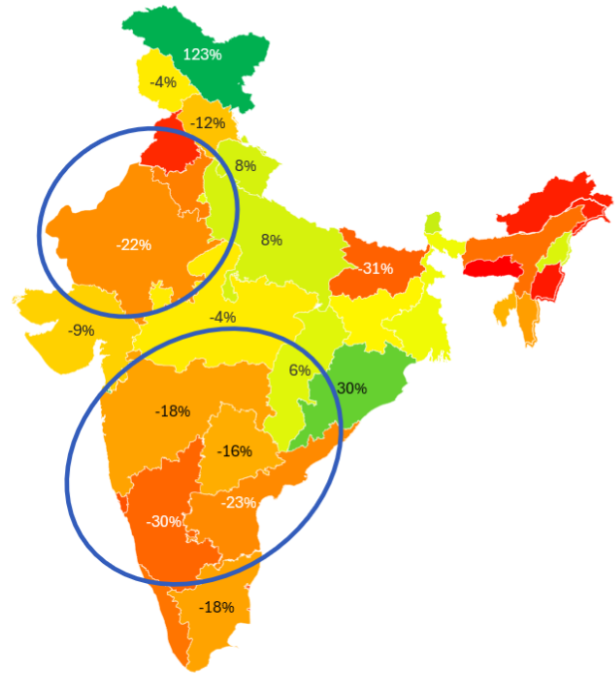
Over 30% of India’s soil is currently classified as degraded, and that number is the quiet crisis behind falling yields and rising input costs. Regenerative farming offers a way back from that edge, and it’s fast becoming one of the most talked-about shifts in Indian farming.
What regenerative farming actually means
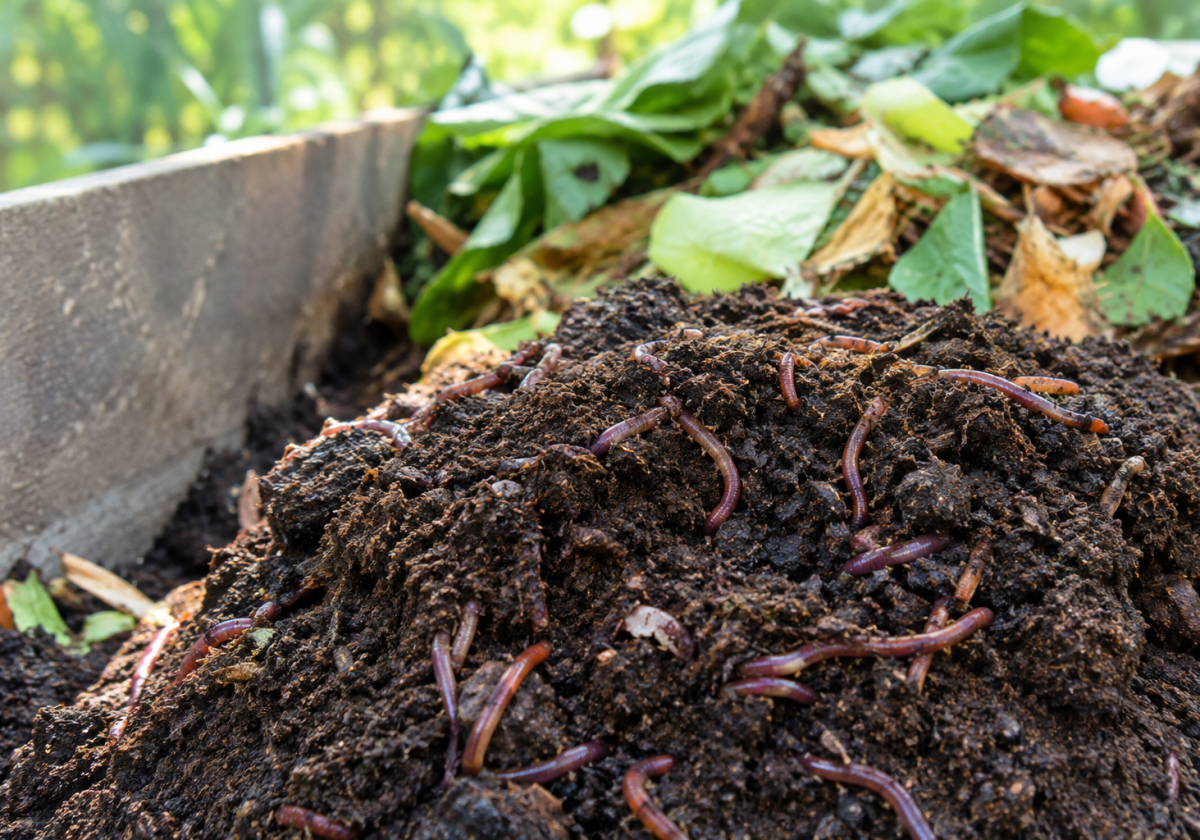
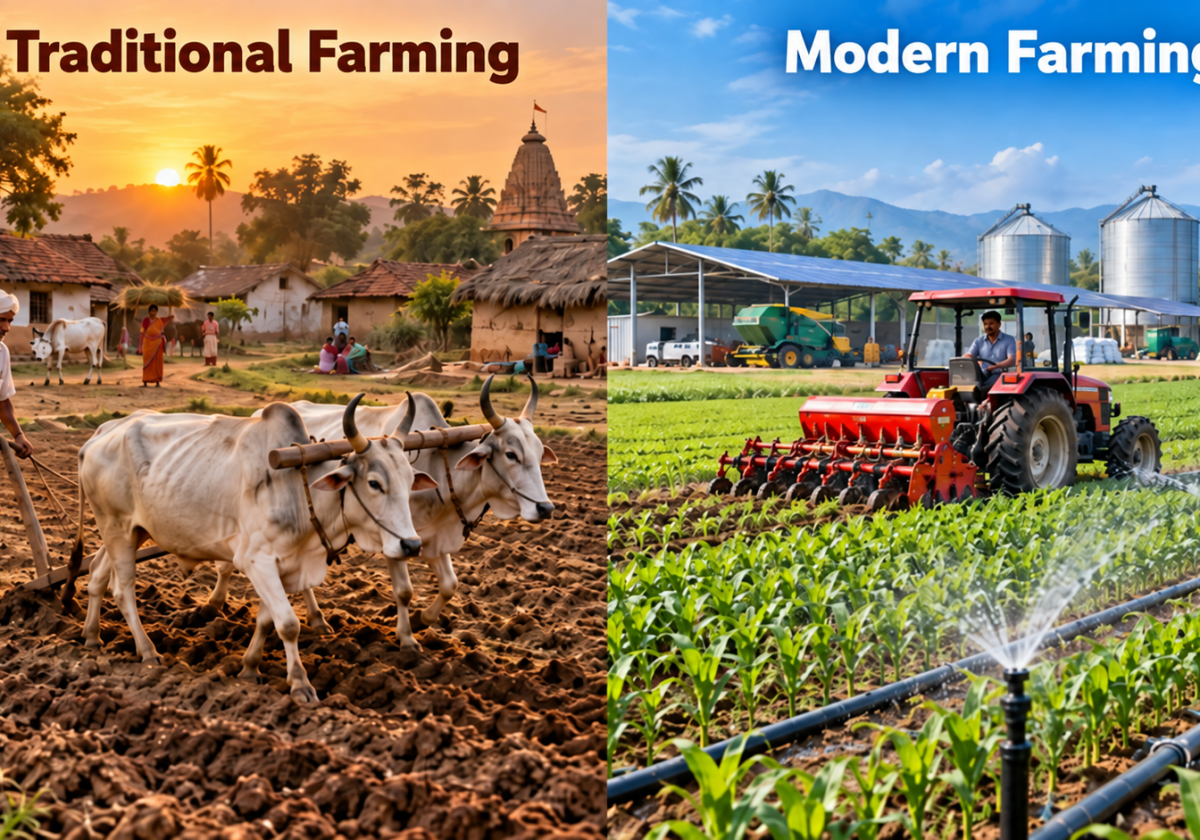
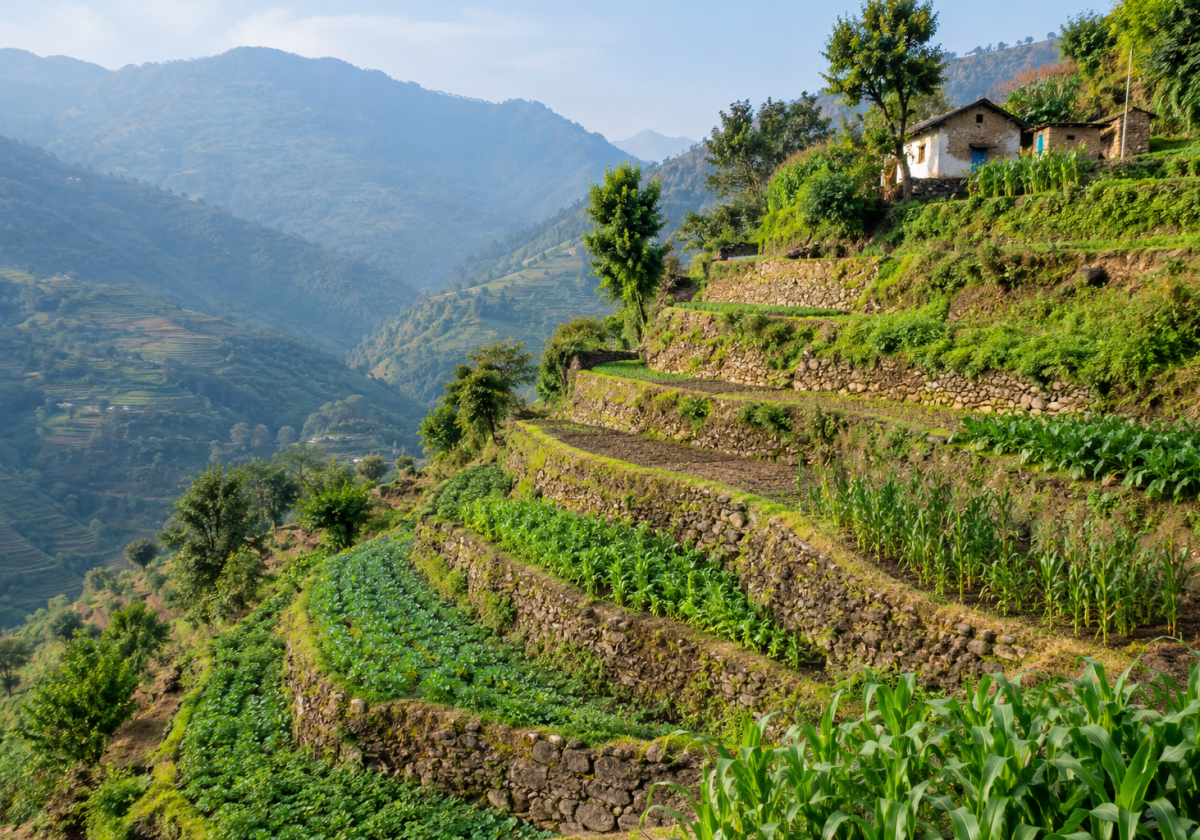
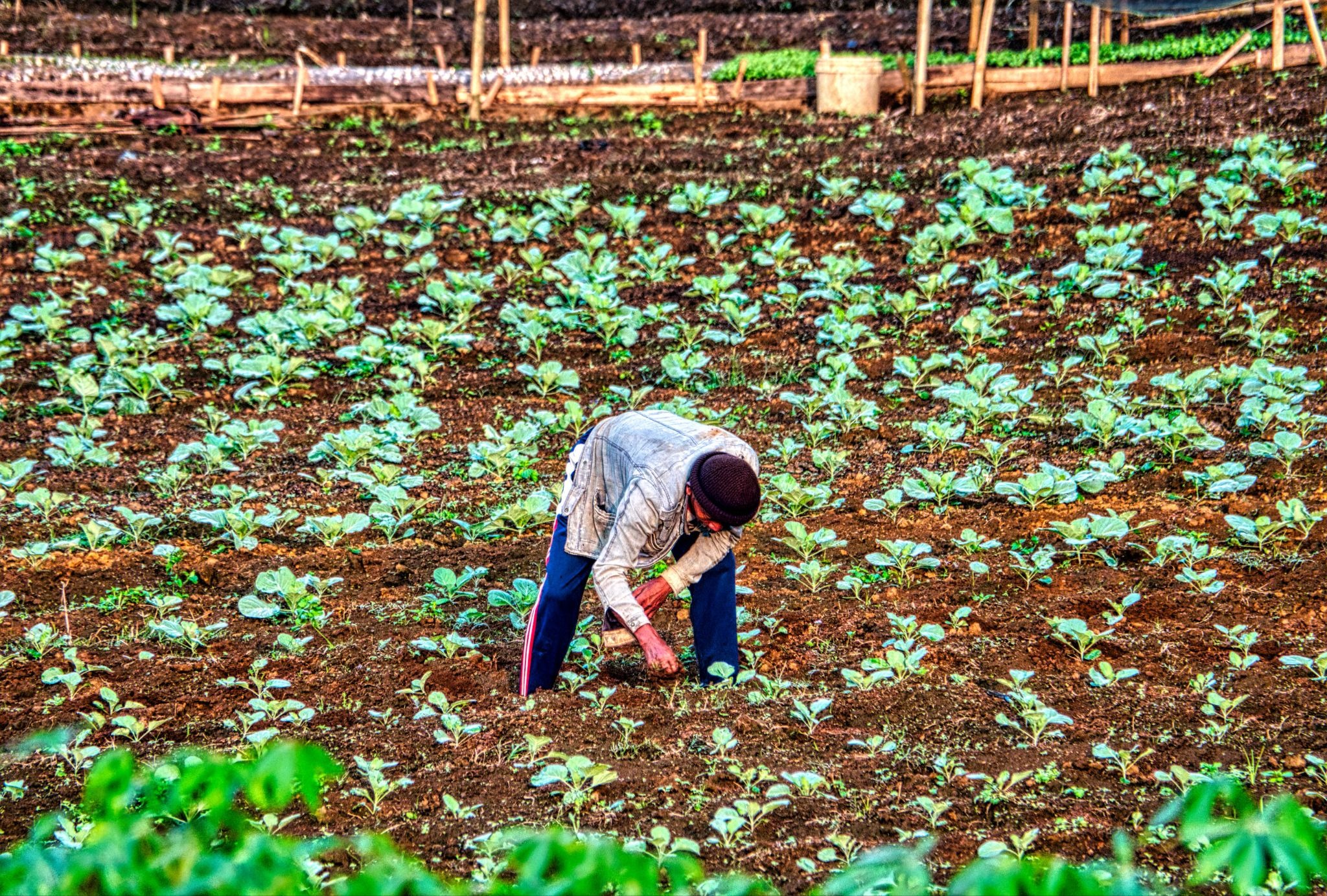
Regenerative farming isn’t a single technique. It’s a philosophy built around restoring the land rather than just extracting from it. It brings together practices like cover cropping, crop rotation, agroforestry, reduced tillage, and natural fertilisers, all aimed at rebuilding soil organic carbon, improving water retention, and reviving the biodiversity that intensive farming has worn thin. Where conventional farming often treats soil as a passive medium, regenerative methods treat it as a living system that needs to be fed, protected, and allowed to recover.
For India, where nearly 86% of landholdings belong to small and marginal farmers, this matters enormously. These are the farmers with the least cushion to absorb a bad season, and regenerative practices, if done right, reduce dependence on expensive chemical inputs while building longer-term resilience against erratic monsoons and climate stress.
The data behind the momentum
This isn’t a fringe idea anymore. India’s regenerative farming market was valued at roughly USD 62.1 million in 2025 and is projected to grow at a CAGR of 16.04% through 2034, eventually crossing USD 246 million. Globally, the picture is even bigger. The regenerative farming market is expected to climb from around USD 10.19 billion in 2025 to nearly USD 19.59 billion by 2030.
Policy is catching up, too. The Union Budget has set a target of training and onboarding one crore farmers into regenerative farming practices by 2026, backed by a cabinet allocation of ₹2,481 crore for the National Mission on Natural Farming. On the ground, pilot programmes are already showing what’s possible. A 2-year initiative backed by international partners is currently testing regenerative practices with smallholder potato farmers in Gujarat and West Bengal, focused on soil health and water-use efficiency.
Technology is playing its part as well. Since early 2025, AI-driven crop management platforms have started integrating satellite imagery and soil health analytics to help farmers make sharper, faster decisions, with state-wide rollouts planned through 2026 to extend these tools well beyond early adopters.
Why it matters for farmers today
The benefits go beyond soil health. Farmers practising crop rotation, agroforestry, and diversification have shown measurably better resilience against multidimensional poverty. Meaning these aren’t just ecological wins, they translate into steadier incomes, better food security at the household level, and reduced vulnerability to climate shocks. Regenerative practices also open doors to emerging carbon credit markets, giving farmers a new, if still nascent, revenue stream simply for managing land sustainably.
The transition isn’t without friction. Upfront costs, a learning curve, and short-term yield dips during conversion are real concerns, especially for farmers with no financial comfort. This is exactly where access to the right information, market linkages, and credit support makes the difference between a farmer taking the leap and one staying on the sidelines.
How agribazaar supports the shift
This is where agribazaar’s ecosystem adds real value. Through AgriBhumi, farmers and institutions get access to remote-sensing and geo-tagged farmland data that helps track soil and crop health over time, essential for anyone transitioning to regenerative methods and needing to measure progress.
The farm intelligence platform uses satellite-based monitoring and AI to guide farmers on crop choices and input use, reducing guesswork during a period when every input decision counts.
And through the agribazaar trade floor & online marketplace, which has already facilitated the trade of over 12 MMT of commodities and connects more than 300,000 farmers to buyers, farmers practising sustainable methods get a transparent, reliable channel to convert their produce into fair-priced sales, closing the loop between better land management and better market outcomes.
The road ahead
Regenerative farming in India is moving from pilot projects to policy priority, and the momentum is unlikely to slow down. For farmers watching input costs climb and soil quality decline, it isn’t just an environmental choice anymore but a practical one. The tools, the data, and increasingly the government backing are falling into place.
What’s needed now is wider access to the right support systems, so that regenerative farming isn’t limited to those who can afford to experiment, but becomes the default path for Indian agriculture’s next chapter.
FAQs
- Is regenerative farming the same as organic farming?
Not quite. Organic farming is mainly about avoiding synthetic chemicals, while regenerative farming goes further. It is specifically focused on rebuilding soil health, boosting biodiversity, and improving long-term farm resilience through practices like crop rotation and agroforestry. - Will switching to regenerative practices reduce my yield?
There can be a short-term dip during the transition period as soil rebuilds its natural fertility, but most farmers see yields stabilise and even improve over 2-3 seasons, alongside lower input costs. - Do I need to convert my entire farm at once?
No. Most farmers start with a portion of their land and test practices like cover cropping or reduced tillage on a few acres before scaling up once they see results. - Is there government support available for regenerative farming?
Yes. The National Mission on Natural Farming and related schemes offer training and financial support, with a target of bringing one crore farmers into regenerative practices by 2026. - How can I track whether my soil is actually improving?
Tools like agribazaar’s AgriBhumi use remote-sensing and geo-tagged data to monitor soil and crop health over time, so you can measure real progress instead of guessing.
Disclaimer
The content published on this blog is provided solely for informational and educational purposes and is not intended as professional or legal advice. While we strive to ensure the accuracy and reliability of the information presented, agribazaar make no representations or warranties of any kind, express or implied, about the completeness, accuracy, suitability, or availability with respect to the blog content or the information, products, services, or related graphics contained in the blog for any purpose. Any reliance you place on such information is therefore strictly at your own risk. Readers are encouraged to consult qualified agricultural experts, agronomists, or relevant professionals before making any decisions based on the information provided herein. agribazaar, its authors, contributors, and affiliates shall not be held liable for any loss or damage, including without limitation, indirect or consequential loss or damage, or any loss or damage whatsoever arising from reliance on information contained in this blog. Through this blog, you may be able to link to other websites that are not under the control of agribazaar. We have no control over the nature, content, and availability of those sites and inclusion of any links does not necessarily imply a recommendation or endorsement of the views expressed within them. We reserve the right to modify, update, or remove blog content at any time without prior notice.