 Jyoti Sharma
August 27, 2026
Jyoti Sharma
August 27, 2026
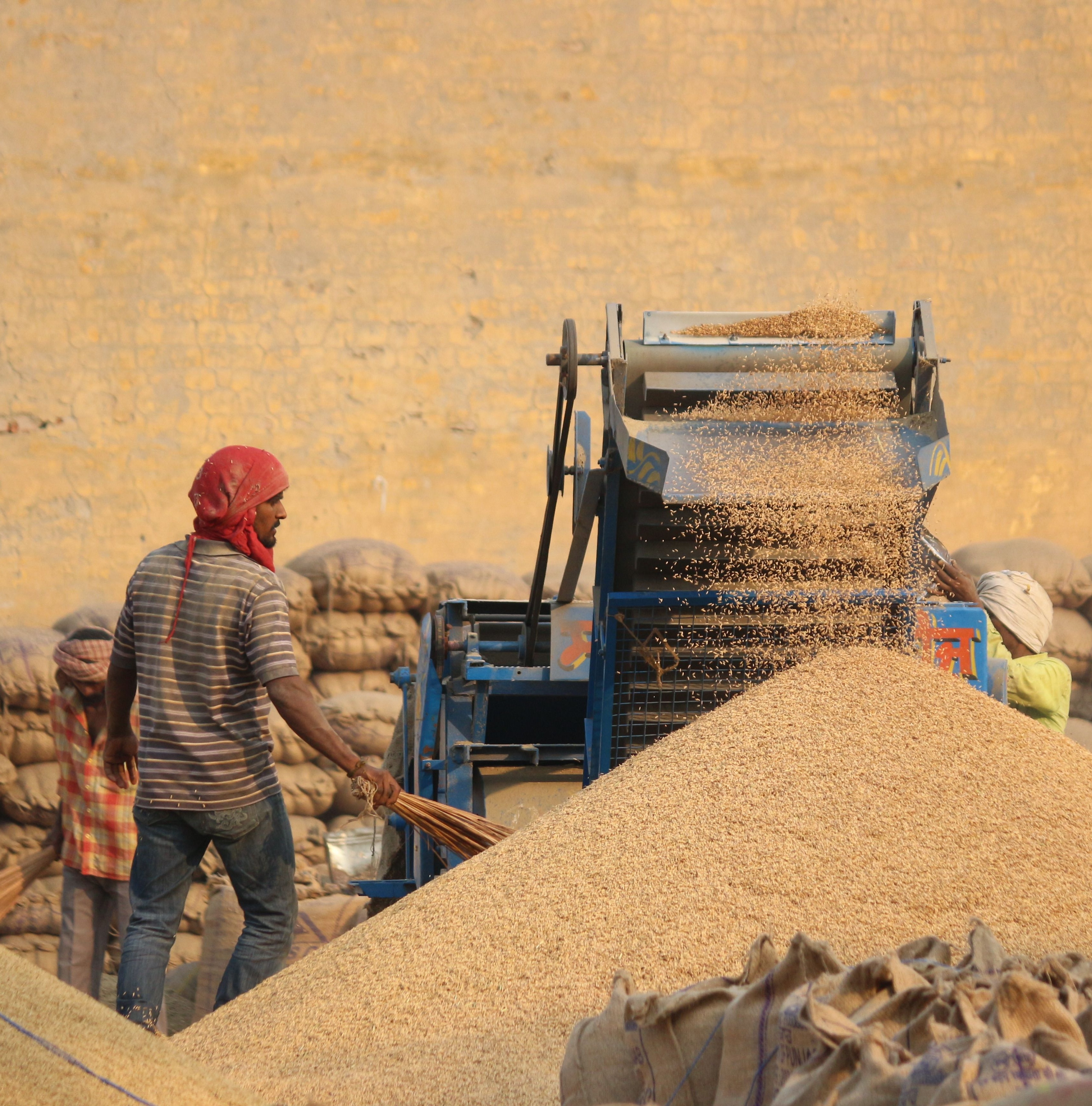
For generations, selling agricultural produce in India has followed a familiar routine. Harvest the crop, load it onto a vehicle, take it to the nearest mandi, wait for buyers, and negotiate a price. But today, a farmer may also be able to discover buyers, compare prices, and conduct agricultural trade digitally.
That brings us to an important question: e-Mandi vs traditional mandi, which works better for farmers?
The answer is not as simple as choosing one over the other. Both models have their advantages. What is changing, however, is the amount of choice and information available to farmers.
What are traditional mandis?
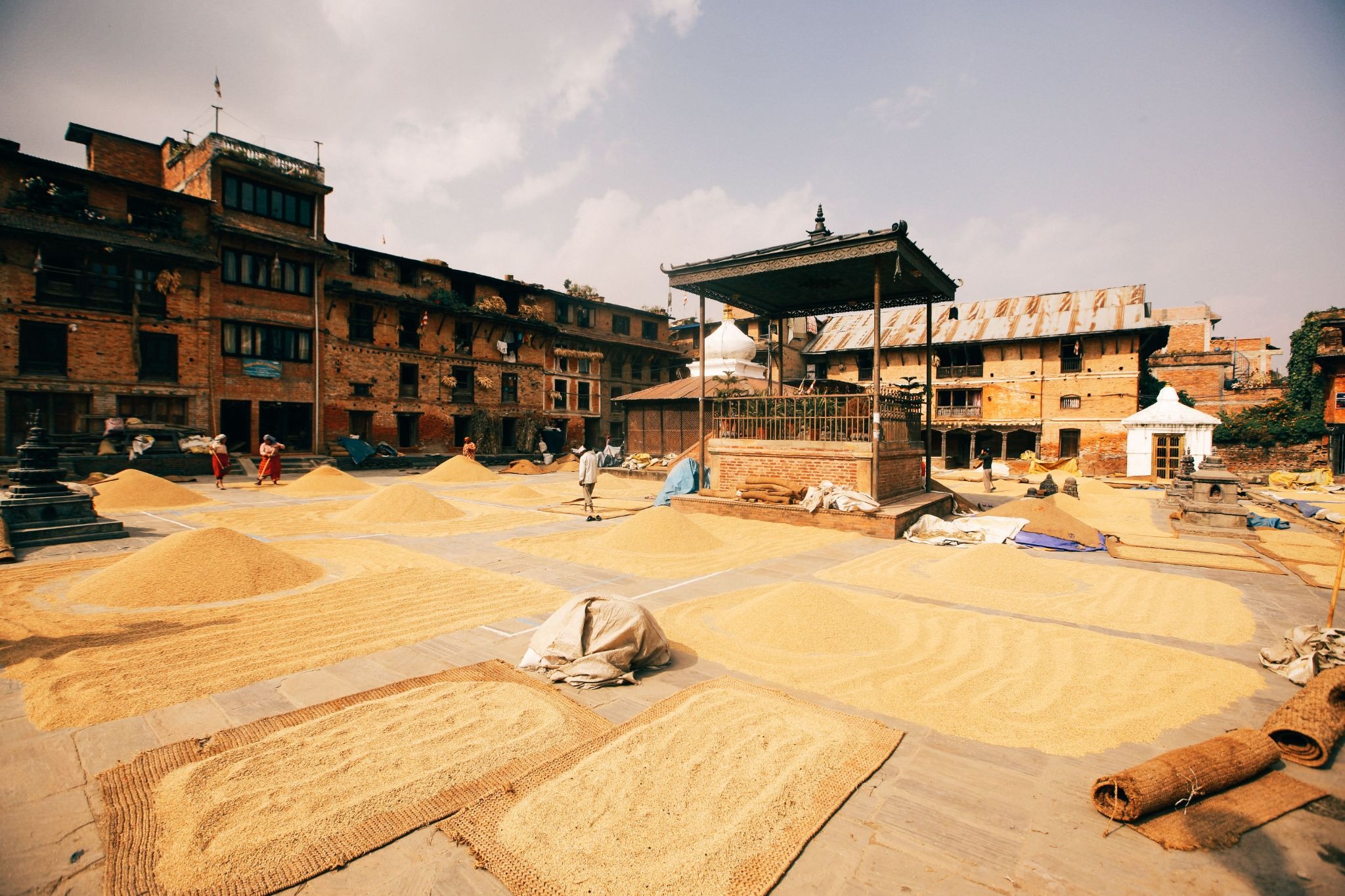
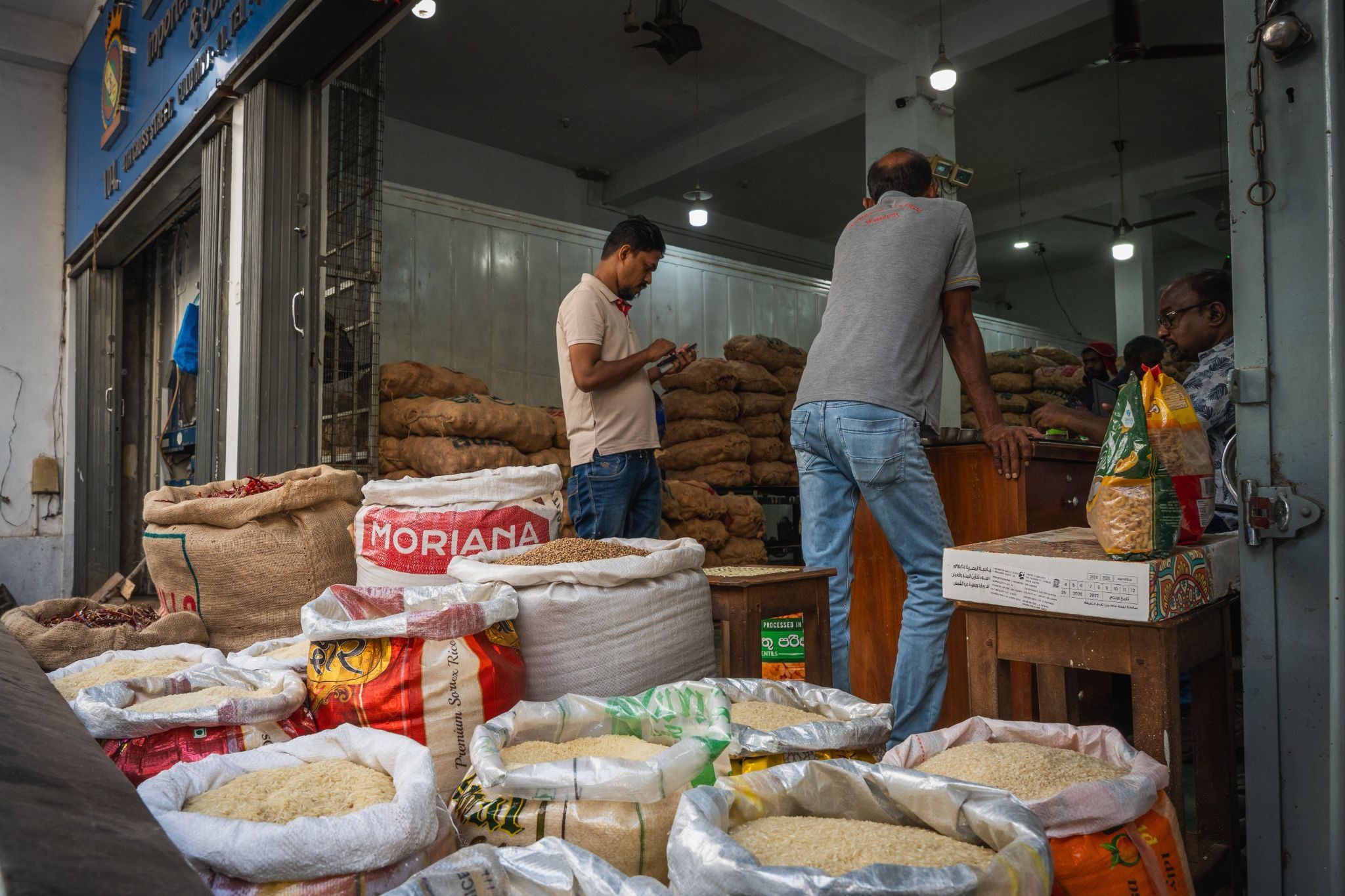
Traditional agricultural mandis are physical marketplaces where farmers bring produce to sell to traders, commission agents, wholesalers, and other buyers. Many operate within the Agricultural Produce Market Committee (APMC) framework.
Their biggest strength is familiarity. Farmers can physically meet buyers, inspect market activity, and negotiate transactions. For farmers selling smaller quantities locally, a nearby mandi can also remain practical.
But traditional mandis can create challenges. A farmer may have access only to buyers operating in that particular market. Transportation has to be arranged before the farmer knows the final selling price, while differences in market information can weaken bargaining power.
When large quantities of the same commodity arrive immediately after harvest, local supply can also increase sharply, putting pressure on prices.
What is an e-mandi?
An e-mandi, or digital agricultural marketplace, uses technology to connect agricultural sellers and buyers. Instead of depending entirely on buyers physically present in one mandi, farmers and other sellers can potentially access a much broader marketplace.
India’s push towards digital agricultural trading can be seen through the growth of the government’s electronic National Agriculture Market (e-NAM). According to the Ministry of Agriculture & Farmers Welfare, by February 28, 2026, 1,656 mandis across 23 states and four Union Territories had been integrated with e-NAM. The platform had registered 1.80 crore farmers, 2.72 lakh traders and 4,724 FPOs. Since inception, agricultural produce worth approximately ₹4.82 lakh crore, representing 13.22 crore metric tonnes, has been traded through the platform.
Those numbers show that digital agricultural trading is no longer a small experiment. It is becoming part of India’s agricultural marketing ecosystem.
e-Mandis vs Traditional Mandis: Where is the Difference?
| Comparison Point | Traditional Mandis | e-Mandis |
| Market Access | Primarily connects farmers with buyers operating in or around a specific physical marketplace. | Can connect farmers with traders, processors, institutional buyers, and businesses beyond their immediate location. |
| Price Discovery | Farmers generally compare prices offered by buyers present at the local mandi. | Farmers may be able to view more market opportunities, compare offers, and negotiate from a better-informed position. |
| Convenience | Requires transportation, handling, and time at the physical marketplace. | Allows parts of the discovery, negotiation, and transaction process to take place online. |
| Trust and Quality | Buyers and sellers can physically inspect the produce before completing a transaction. | Requires reliable quality assessment, transparent specifications, secure payments, and dependable settlement systems. |
| Digital Accessibility | Familiar and accessible to farmers with limited internet access or digital experience. | Depends on internet connectivity, digital literacy, and familiarity with online transactions. |
| Buyer Competition | Competition may be limited to buyers participating in that particular mandi. | Can potentially increase buyer participation by widening access to geographically dispersed markets. |
| Transaction Records | Documentation may rely more heavily on physical records and local processes. | Digital platforms can provide online records of listings, negotiations, transactions, and payments. |
| Best Suited For | Farmers who prefer face-to-face transactions or sell smaller quantities locally. | Farmers, FPOs and traders seeking wider market access, better price visibility and more flexible trading options. |
What is agribazaar’s role in all this
agribazaar extends the idea of digital agricultural trading by connecting farmers, traders, processors, and agribusinesses through a technology-driven marketplace. Its marketplace enables buyers and sellers to negotiate trades while supporting quality verification, settlement and market access. The broader platform also combines post-harvest digital trading with services such as market insights and quality assessment, helping make agricultural transactions more transparent and efficient.
So, which is better for farmers?
The future is unlikely to be e-Mandis versus traditional mandis. It is more likely to involve both.
Traditional mandis provide physical infrastructure, familiarity, and local access. Digital marketplaces bring wider buyer discovery, greater information visibility, and new ways to conduct agricultural trade.
For farmers, the real advantage comes from having more options. A farmer who knows the local mandi price, can explore digital offers, and understands the quality of the produce is in a stronger position to decide where, when, and to whom to sell. And perhaps that is the biggest change e-Mandis are bringing to Indian agriculture, not replacing the mandi, but giving farmers a bigger marketplace beyond it.
FAQs
- What is the main difference between an e-Mandi and a traditional mandi?
A traditional mandi requires farmers to sell produce through a physical marketplace, while an e-Mandi uses a digital platform to connect sellers with buyers. e-Mandis can offer wider market access, transparent bidding, digital payments and better price visibility. - Are e-Mandis better for farmers than traditional mandis?
It depends on the farmer’s requirements. Traditional mandis offer familiarity and physical interaction, while e-Mandis can provide access to more buyers, greater price transparency and digital transactions. A combination of physical and digital agricultural markets can give farmers more selling options. - Can farmers get better prices through e-Mandis?
e-Mandis can improve price discovery by enabling transparent bidding and participation from a wider pool of buyers. However, the final price still depends on factors such as crop quality, demand, supply, location and prevailing market conditions. - Do e-Mandis replace APMC mandis?
Not necessarily. For example, e-NAM is designed to network existing physical APMC mandis digitally rather than replace them. It allows online buyers to participate alongside local buyers, expanding the farmer’s choice. - How do digital agricultural marketplaces benefit farmers?
Digital agricultural marketplaces can help farmers access more buyers, compare market opportunities, improve price discovery and maintain digital transaction records. Platforms such as agribazaar further connect agricultural sellers and buyers through technology-enabled trade.