 Jyoti Sharma
August 20, 2026
Jyoti Sharma
August 20, 2026
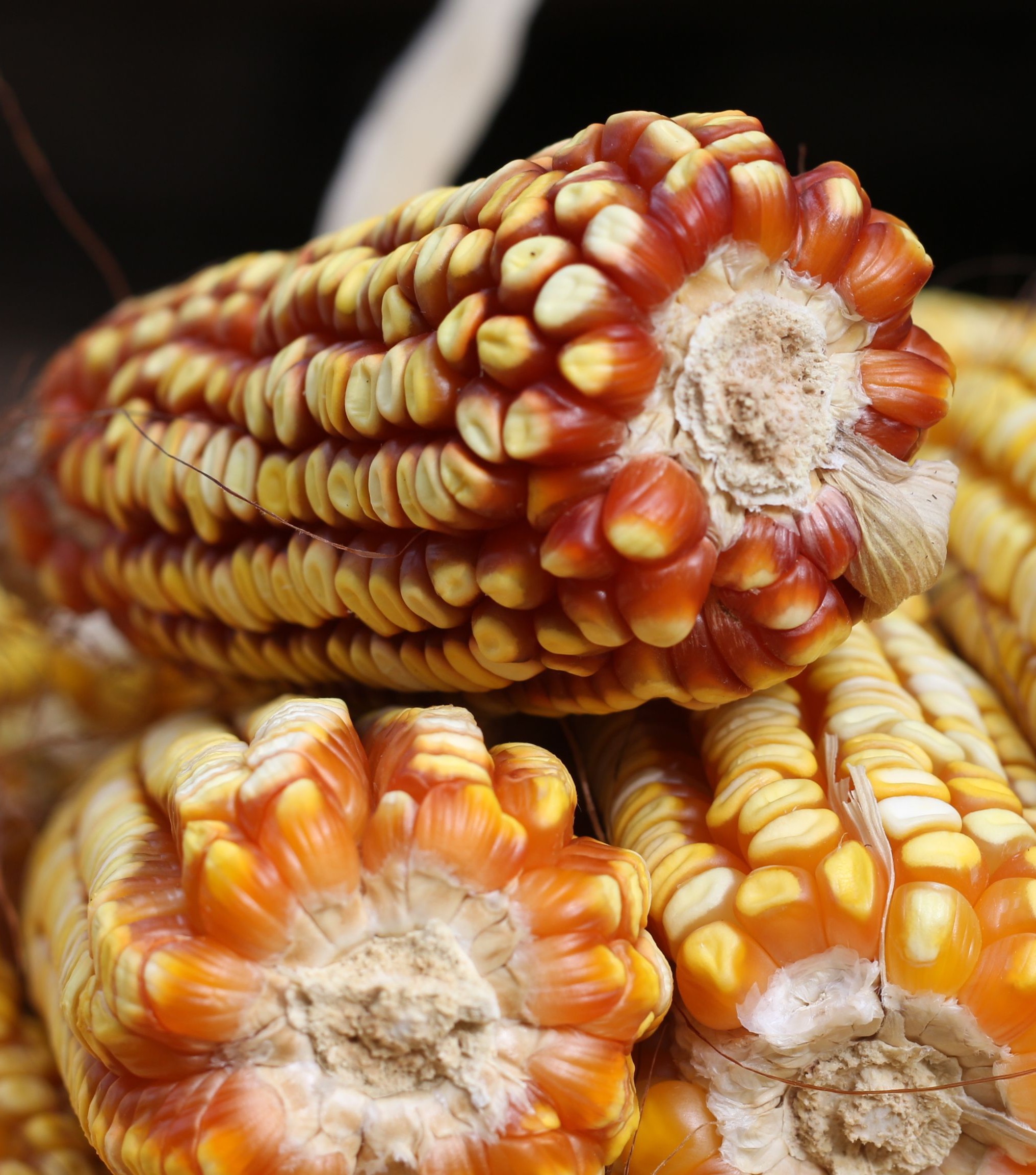
Corn, or maize, is one of India’s most important cereal crops, and it is no longer grown only for food. Today, maize supports a wide range of industries, including animal feed, starch, biofuel and food processing. India produced 43.40 million tonnes of maize in 2024-25, around 79% higher than the 24.17 million tonnes produced in 2014-15.
It is grown mainly in regions like Madhya Pradesh, Karnataka, Maharashtra, Rajasthan, and Bihar. Karnataka is traditionally the leading producer, while central and peninsular states drive the bulk of the national output for food, poultry feed, and starch industries.
But when it comes to maize farming, timing matters. Choosing the right sowing window, managing water and nutrients, and harvesting at the right stage can significantly influence crop performance and profitability.
So, when is the best time to grow corn in India? Let’s break it down.
What is the corn season in India?
There are different corn season depending on the region, availability of irrigation and local climate. However, Kharif is the dominant maize-growing season in many parts of India. According to ICAR’s 2025 Kharif agro-advisory, the ideal sowing period for maize is generally 15 June to 15 July, depending on the arrival of the monsoon.
For Kharif maize, farmers typically begin preparing their fields before the monsoon and sow when adequate soil moisture is available. Maize can also be cultivated during the Rabi season, particularly in regions with irrigation facilities. Rabi sowing generally takes place after the Kharif crop, although the exact window varies by state.
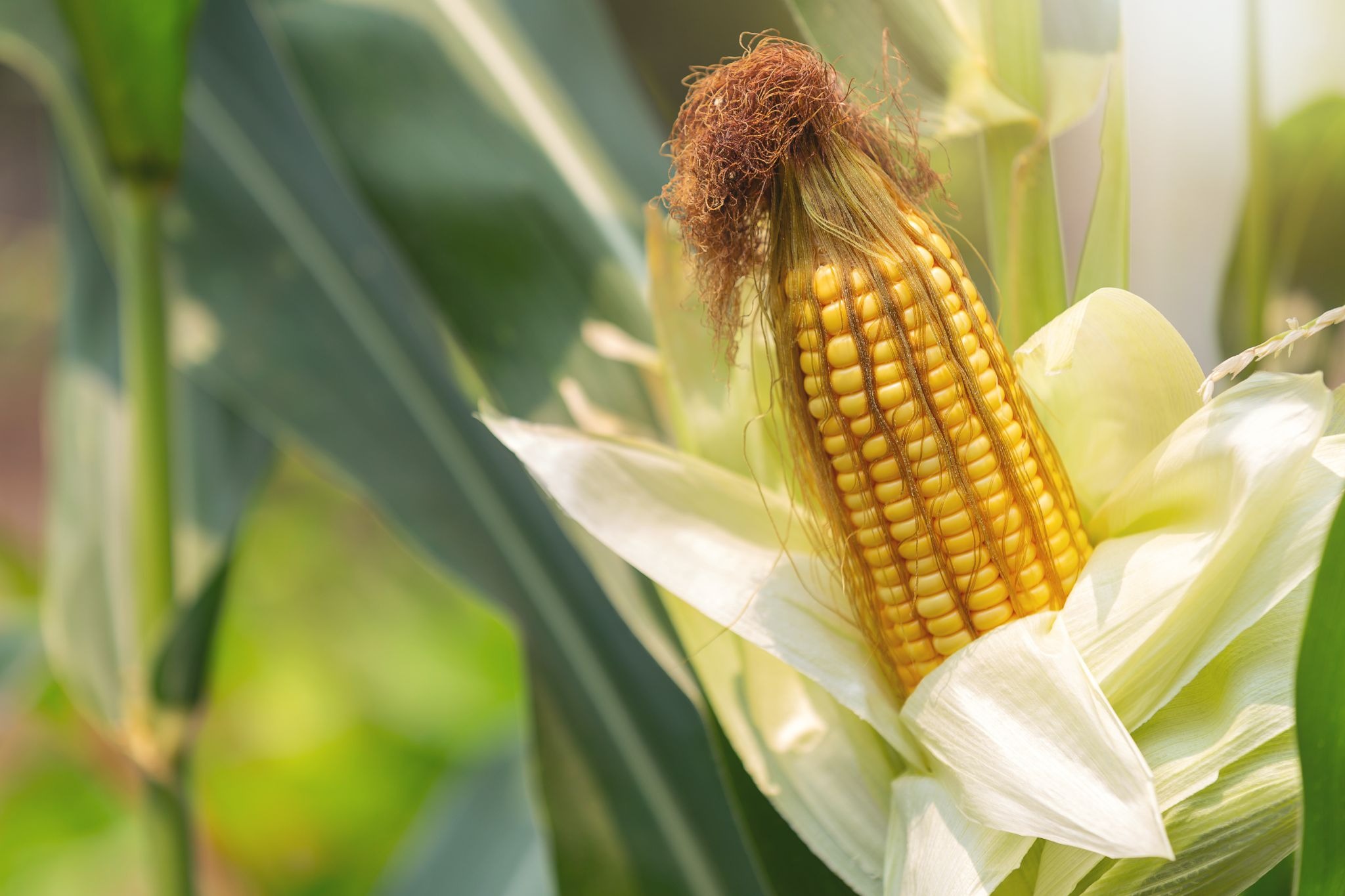
What climatic conditions does maize need?
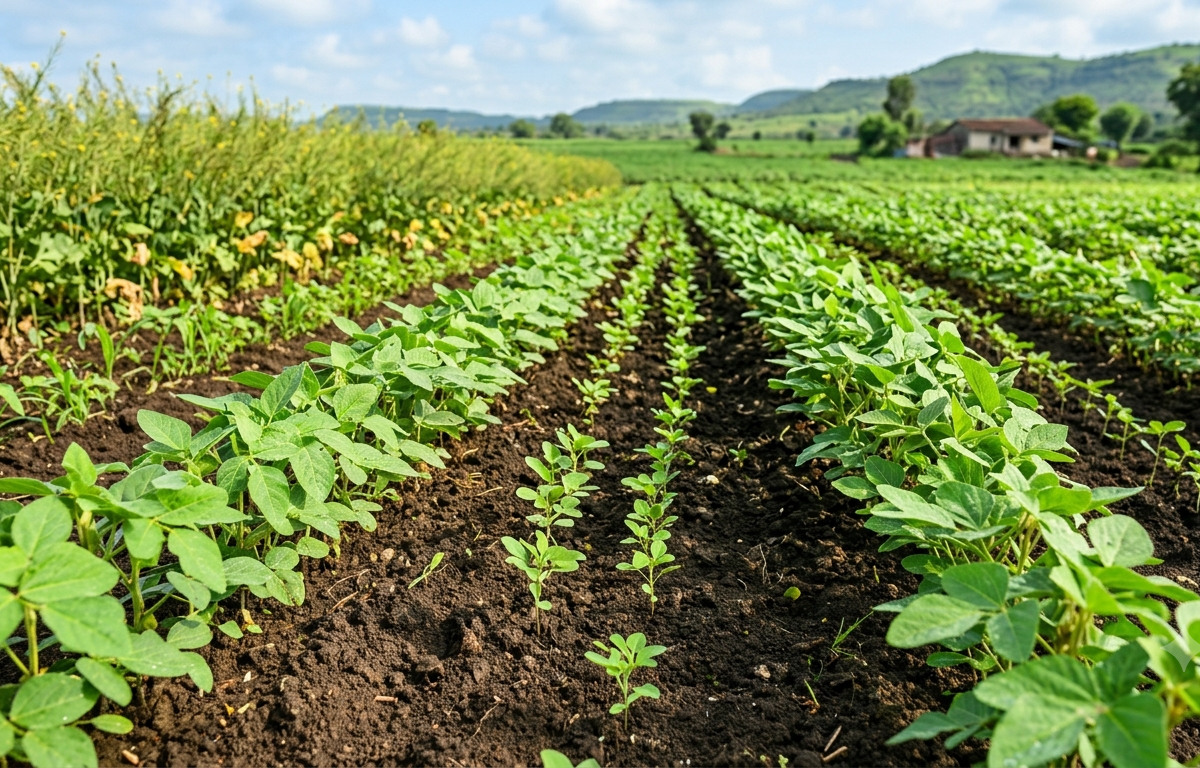
Maize performs best when it receives adequate sunlight, moisture and nutrients without prolonged waterlogging. Maize is sensitive to both water scarcity and waterlogging, making water management particularly important. Optimum temperatures during crop growth are also important, especially during reproductive stages.
Farmers should therefore consider:
- Well-drained soil
- Good-quality seeds suited to the region
- Timely sowing
- Adequate soil moisture
- Balanced fertilisation
- Effective weed management
- Monitoring for pests and diseases
The choice of hybrid or variety also matters. Multiple maize research programmes list hybrids with maturity periods ranging from roughly 80 to 100 days, depending on the variety and growing zone.
How long does corn take to grow?
The crop duration depends on the variety, climate and purpose of cultivation. Some maize hybrids can mature in around 80–100 days, while speciality maize such as baby corn may be ready much earlier. Farmers should therefore follow the maturity period recommended for their chosen variety rather than relying on a fixed number of days.
The crop also needs attention at different growth stages. Early weed control, nutrient application and irrigation can make a significant difference to final yield.
When should corn be harvested?
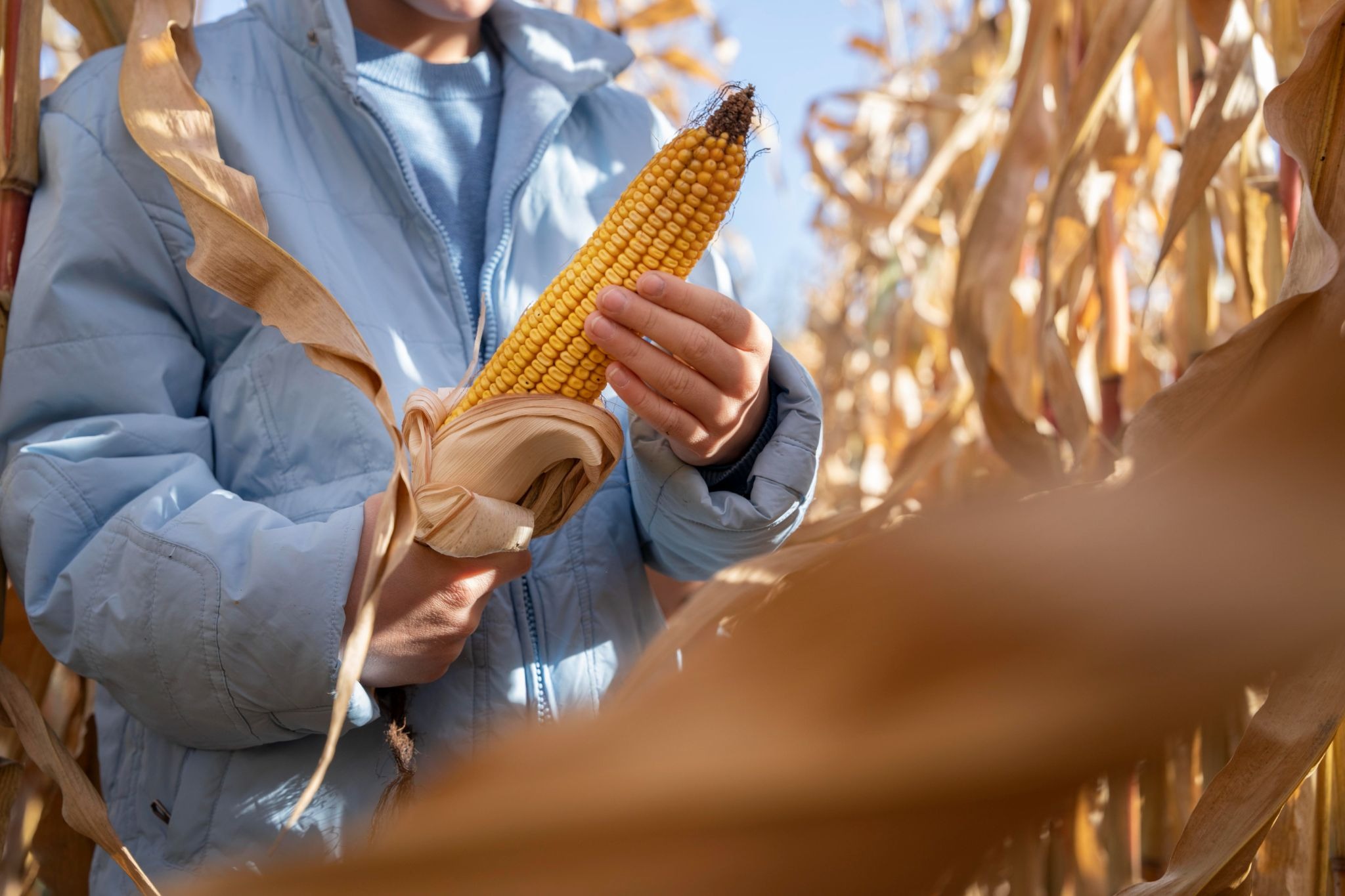
Harvesting should ideally begin once the crop has reached physiological maturity and the grain has developed the required moisture and quality characteristics. Harvesting too early can result in higher grain moisture and increased drying costs. Waiting too long can expose the crop to weather damage, pests and field losses.
For farmers producing maize for commercial buyers, quality matters alongside yield. Grain moisture, foreign matter, damaged kernels and other quality parameters can influence the price a trader or processor is willing to pay.
Why is market access important after harvest?
Producing a good crop is only half the equation. The next question is: where and when should you sell it? This is where digital agricultural marketplaces can make a difference.
agribazaar’s online agricultural marketplace connects agricultural buyers and sellers and supports transparent digital trading. The platform provides market information, commodity listings and digital transaction capabilities, helping stakeholders make more informed trading decisions. agribazaar’s network currently connects over 3 lakh farmers and traders, while its platform provides price information across more than 100 commodities.
For farmers, this can mean greater visibility beyond their immediate local market. They can explore potential buyers, compare market information and participate in digital trade rather than depending entirely on traditional channels.
For traders, a digital marketplace can help discover supply, connect with sellers and streamline procurement.
Farming is becoming more data-driven
The future of maize, just like any other crop, is now about growing smarter and selling better. Digital tools can help farmers understand crop conditions, market movements and potential selling opportunities. Platforms such as agribazaar are bringing together market access, price discovery and technology to make agricultural trade more transparent and connected.
As India’s maize production continues to expand, farmers and traders who combine sound agronomic practices with stronger market intelligence will be better positioned to capture value throughout the crop cycle.
FAQs
- What is the best month to sow maize in India?
For Kharif maize, June to mid-July is generally the recommended window, depending on the onset of the monsoon and local conditions. - How many days does maize take to mature?
Depending on the hybrid and growing conditions, maize can mature in approximately 80–100 days. - Can maize be grown in Rabi?
Yes. Rabi maize is cultivated in several parts of India, particularly where irrigation is available. - What affects the price of maize?
Demand from feed, food, starch and industrial users, along with production, arrivals, quality, storage and market conditions, can influence maize prices. - How can farmers find buyers for maize?
Digital agricultural marketplaces such as agribazaar can help farmers access wider buyer networks, market information and transparent digital trading opportunities.
Disclaimer
The content published on this blog is provided solely for informational and educational purposes and is not intended as professional or legal advice. While we strive to ensure the accuracy and reliability of the information presented, agribazaar make no representations or warranties of any kind, express or implied, about the completeness, accuracy, suitability, or availability with respect to the blog content or the information, products, services, or related graphics contained in the blog for any purpose. Any reliance you place on such information is therefore strictly at your own risk. Readers are encouraged to consult qualified agricultural experts, agronomists, or relevant professionals before making any decisions based on the information provided herein. agribazaar, its authors, contributors, and affiliates shall not be held liable for any loss or damage, including without limitation, indirect or consequential loss or damage, or any loss or damage whatsoever arising from reliance on information contained in this blog. Through this blog, you may be able to link to other websites that are not under the control of agribazaar. We have no control over the nature, content, and availability of those sites and inclusion of any links does not necessarily imply a recommendation or endorsement of the views expressed within them. We reserve the right to modify, update, or remove blog content at any time without prior notice.