 Jyoti Sharma
November 5, 2026
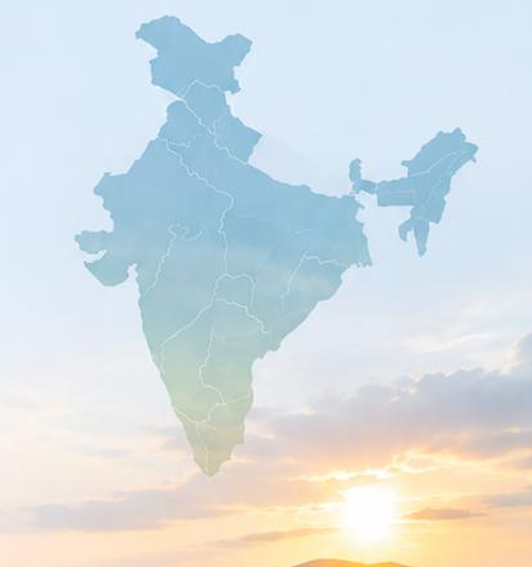
India’s monsoon may have withdrawn, but its impact on agricultural markets is only beginning to unfold. As farmers prepare for the 2026–27 rabi season, deficient rainfall, lower soil moisture and delayed sowing are creating fresh uncertainties around crop production and commodity prices.
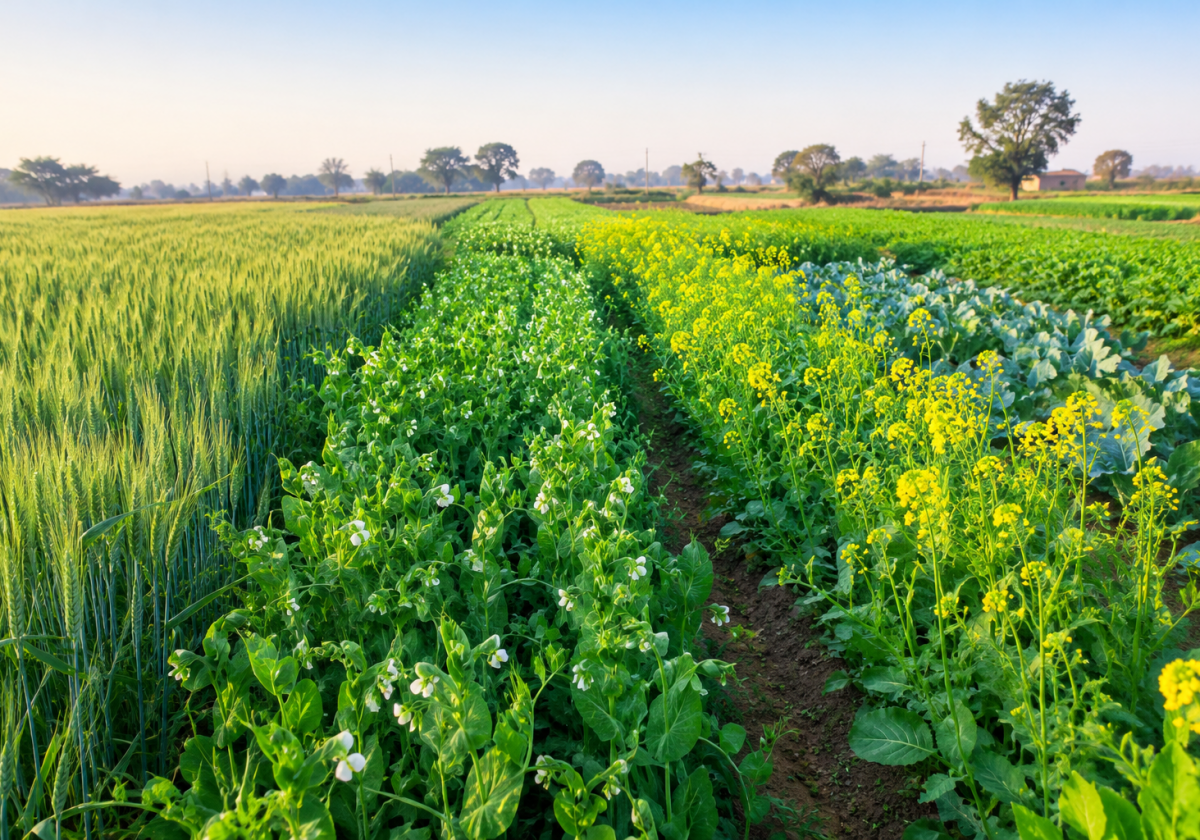
Wheat, mustard and chana are particularly important to watch. Together, these crops influence food availability, edible oil supplies and India’s pulses market. A shift in their acreage or expected production can have a ripple effect across mandis, procurement centres and commodity trading markets.
So, could the delayed monsoon translate into higher prices this season? The answer depends on several interconnected factors, from sowing progress and irrigation availability to government procurement and market demand.
A deficient monsoon is changing the rabi season outlook
Rabi crops are generally sown between October and December and harvested during March and April. Unlike kharif crops, which depend heavily on monsoon rainfall, rabi crops rely on residual soil moisture and irrigation. This makes the condition of agricultural land after the monsoon particularly important.
According to the India Meteorological Department’s 2026 monsoon assessment, India received approximately 759.4 mm of rainfall during June–September 2026, against the normal 868.6 mm. This represented a deficit of nearly 13%, making it the weakest southwest monsoon since 2015.
The effect is already visible in early sowing activity. According to the Union Agriculture Ministry’s latest rabi sowing figures, reported on November 3, 2026, total rabi acreage stood at 37.56 lakh hectares as of October 30, compared with 69.02 lakh hectares during the corresponding period last year. That is a decline of approximately 46%.
However, early sowing figures should not be mistaken for final production estimates. The coming weeks will be important in determining whether farmers can make up for the initial gap.
Wheat prices: Will lower sowing affect market supply?
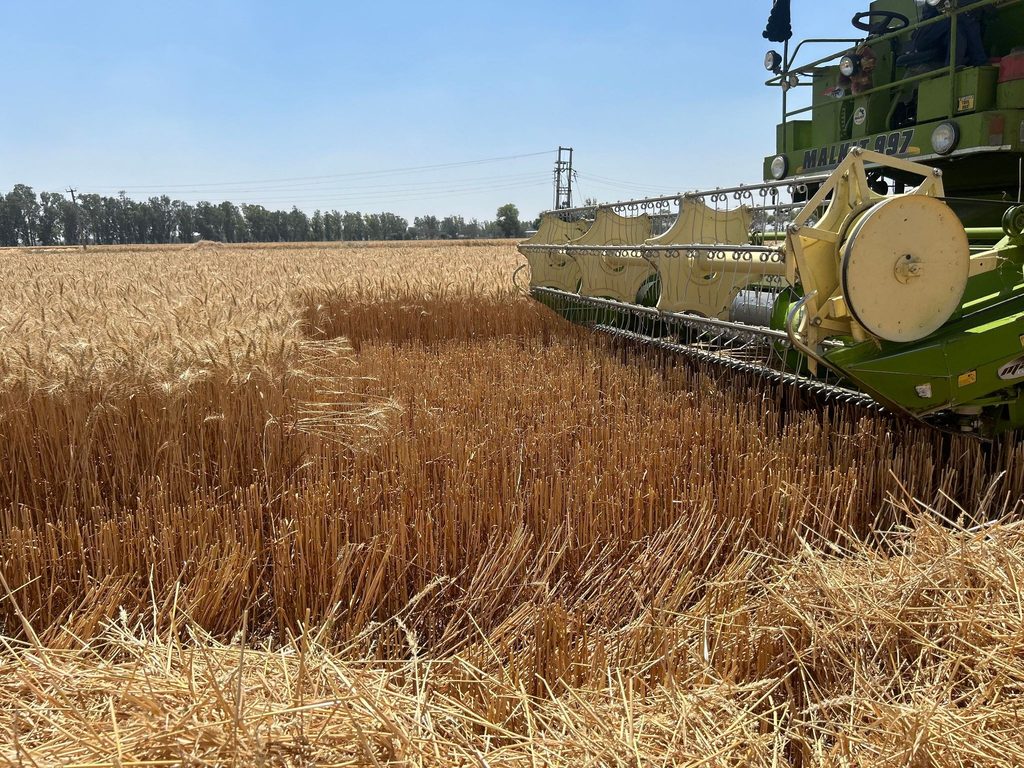
Wheat is among India’s most important food crops, making its production outlook a significant indicator for agricultural markets. India recorded an estimated wheat production of 120.657 million tonnes during 2025–26, according to the Ministry of Agriculture’s 2025–26 crop production update. For the 2027–28 rabi season, the government has fixed wheat MSP at ₹2,610 per quintal, as announced on 30th Sept, 2026.
However, the weak monsoon has raised concerns about the pace of wheat sowing. As of October 30, wheat had been sown across just 19,000 hectares, against 3.34 lakh hectares during the same period last year. Insufficient soil moisture has been identified as one of the reasons behind the slower progress.
If the sowing gap persists, it could affect production expectations and create upward pressure on wholesale wheat prices. On the other hand, favourable winter weather, improved irrigation and adequate government stocks could help moderate supply concerns. For traders, the key is to monitor actual crop progress rather than react to early-season price movements alone.
Mustard prices: A close watch on acreage and edible oil demand
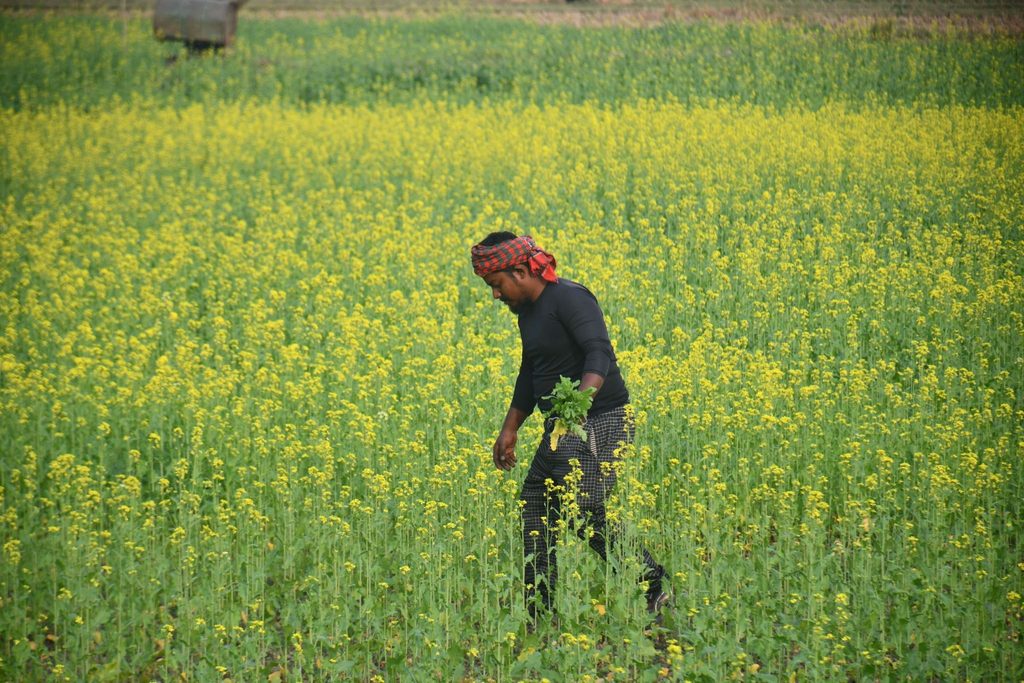
Mustard is particularly sensitive to changes in agricultural conditions because its production influences India’s domestic edible oil supply. The crop is generally preferred in regions with limited irrigation resources, as it requires less water than wheat. However, adequate soil moisture during germination and early crop development remains essential.
The latest sowing data shows that rapeseed and mustard acreage declined by approximately 46% year-on-year as of October 30, 2026. The government’s MSP for rapeseed and mustard for RMS 2027–28 stands at ₹6,613 per quintal, according to the official MSP announcement. If lower acreage continues into the main sowing window, production expectations could weaken. This may support mustard prices, particularly if domestic crushing demand remains strong.
However, prices will also depend on the availability of imported edible oil, international oilseed markets, domestic stock levels, and procurement activity.
Chana prices: Could pulses face supply pressure?
Chana, or chickpea, plays an important role in India’s pulses economy. Its relatively lower water requirement compared with wheat makes it an alternative that some farmers may consider when irrigation availability is limited.
However, this does not mean chana production is automatically protected from a deficient monsoon.
The early sowing picture is concerning. By October 30, gram acreage stood at approximately 5.90 lakh hectares, compared with 14.35 lakh hectares during the corresponding period last year. The MSP for gram for RMS 2027–28 has been fixed at ₹5,958 per quintal.
If acreage and productivity remain under pressure, domestic supplies could tighten, potentially supporting wholesale prices. But imports, government buffer stocks and procurement decisions will remain important balancing factors. For commodity traders, tracking these developments together is essential to understanding the actual supply outlook.
Five indicators that could influence commodity prices
Weather is only one part of the pricing equation. Farmers, traders and processors should also monitor:
- Rabi sowing progress: Changes in crop acreage can provide early indications of potential supply.
- Soil moisture and reservoir levels: These influence germination, irrigation requirements and crop development.
- Mandi arrivals: Actual arrivals help stakeholders assess the availability of commodities in the market.
- Government procurement: MSP operations and buffer stock management can influence price movements.
- International commodity markets: Global wheat, edible oil and pulses prices can affect domestic market sentiment.
How agribazaar helps stakeholders navigate changing markets
When weather conditions influence crop expectations, access to reliable market information can help farmers and traders make more informed decisions.
agribazaar brings together a digital agricultural marketplace and technology-enabled agricultural intelligence. Its offerings include digital commodity trading, market trends & information, crop advisory, satellite-based agricultural insights and AgriPay. By connecting agricultural stakeholders through a transparent digital marketplace, agribazaar supports better price discovery and more informed trading decisions.
Conclusion
The rabi season has begun with a significant weather-related challenge. Wheat, mustard and chana prices could experience supply-driven pressure if delayed sowing translates into lower acreage or production.
However, the final outcome will depend on how the season progresses. Improved soil moisture, irrigation, favourable winter conditions, procurement and market demand could all change the outlook. For farmers and traders, staying informed about these developments is just as important as watching the prices themselves.
FAQs
- How does delayed monsoon rainfall affect rabi crop prices?
Deficient monsoon rainfall can reduce residual soil moisture, delay sowing and increase irrigation requirements. If these conditions affect crop acreage or yields, commodity prices may experience upward pressure.
- Which rabi crops are most vulnerable to low soil moisture?
Wheat is particularly dependent on timely irrigation. Mustard and chana require comparatively less water, but both can experience poor germination and reduced productivity if soil moisture is inadequate.
- What are the MSPs of wheat, mustard and chana for 2027–28?
The MSPs for RMS 2027–28 are ₹2,610 per quintal for wheat, ₹6,613 for rapeseed and mustard, and ₹5,958 for gram.
- Can delayed rabi sowing lead to higher mandi prices?
Yes, if delayed sowing eventually reduces production or market arrivals. However, actual prices also depend on government procurement, existing stocks, imports and demand.
- How can farmers and traders track rabi commodity price movements?
They can monitor mandi arrivals, MSP announcements, sowing progress, weather reports and international market trends. Digital agricultural platforms such as agribazaar also provide access to mandi prices, market information and trading opportunities.