 Jyoti Sharma
November 26, 2026
What if growing crops did not always require soil? What if vegetables could be cultivated in controlled environments, with carefully measured nutrients delivered directly to their roots?
That is the idea behind hydroponics, a modern cultivation method that is gaining attention in India’s agricultural landscape. From urban & vertical farming ventures to commercial greenhouse operations, hydroponics is opening up new possibilities for producing fresh vegetables and herbs closer to consumption centres.
However, successful hydroponic farming involves much more than installing pipes, pumps and growing channels. Choosing the right crops, maintaining nutrient balance and understanding market demand are equally important.
So, is hydroponics a commercially viable opportunity in India? Let’s explore how the system works and what farmers and entrepreneurs should consider before investing.
Understanding Hydroponic Farming
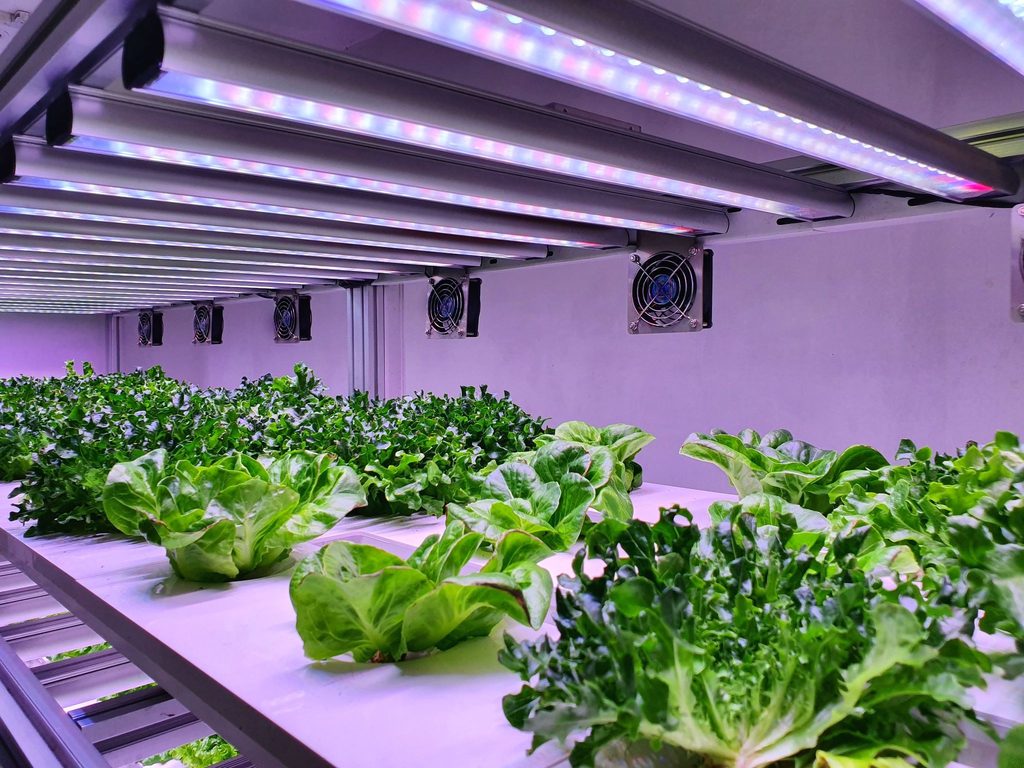
Hydroponics is a method of growing plants without conventional soil. Instead, plant roots receive essential nutrients through a water-based solution. Depending on the system, plants may be supported using growing media such as cocopeat, perlite, clay pellets or rockwool.
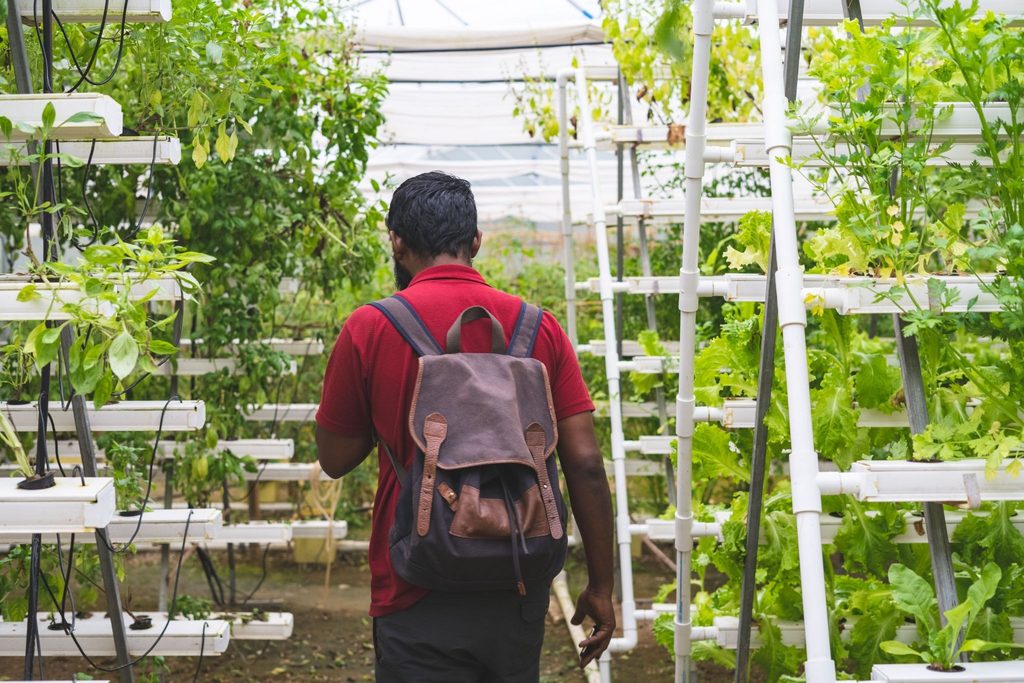
The approach allows growers to manage water delivery, nutrient concentration and growing conditions more precisely. Some commonly used hydroponic systems include:
- Nutrient Film Technique (NFT): A thin stream of nutrient solution flows continuously through channels containing plant roots.
- Deep Water Culture (DWC): Plant roots remain suspended in nutrient-rich, oxygenated water.
- Drip Systems: Nutrient solution is delivered directly to individual plants through drip lines.
- Dutch Bucket Systems: Individual containers support crops such as tomatoes, cucumbers and capsicum.
The choice depends on crop requirements, available space, investment capacity and the level of environmental control.
India’s Growing Interest in Hydroponics
Hydroponics is attracting attention as businesses explore controlled cultivation, resource efficiency and reliable fresh produce supply.
According to Mordor Intelligence, India’s hydroponics market is valued at approximately USD 182.7 million in 2026 and is projected to reach USD 468.2 million by 2032, representing a forecast CAGR of 17% between 2027 and 2032. This growth reflects increasing interest in organised fresh produce supply, protected cultivation and farming methods that can operate closer to urban consumption centres.
However, market growth does not automatically translate into profitability for every farm. The economics depend heavily on crop selection, production costs and the ability to secure consistent buyers.
- Choosing the Right Crops for Hydroponic Farming
Crop selection is one of the most important decisions in a hydroponic farming project. Not every crop offers the same production cycle, market demand or financial returns. Some crops are particularly suitable for commercial hydroponic cultivation.
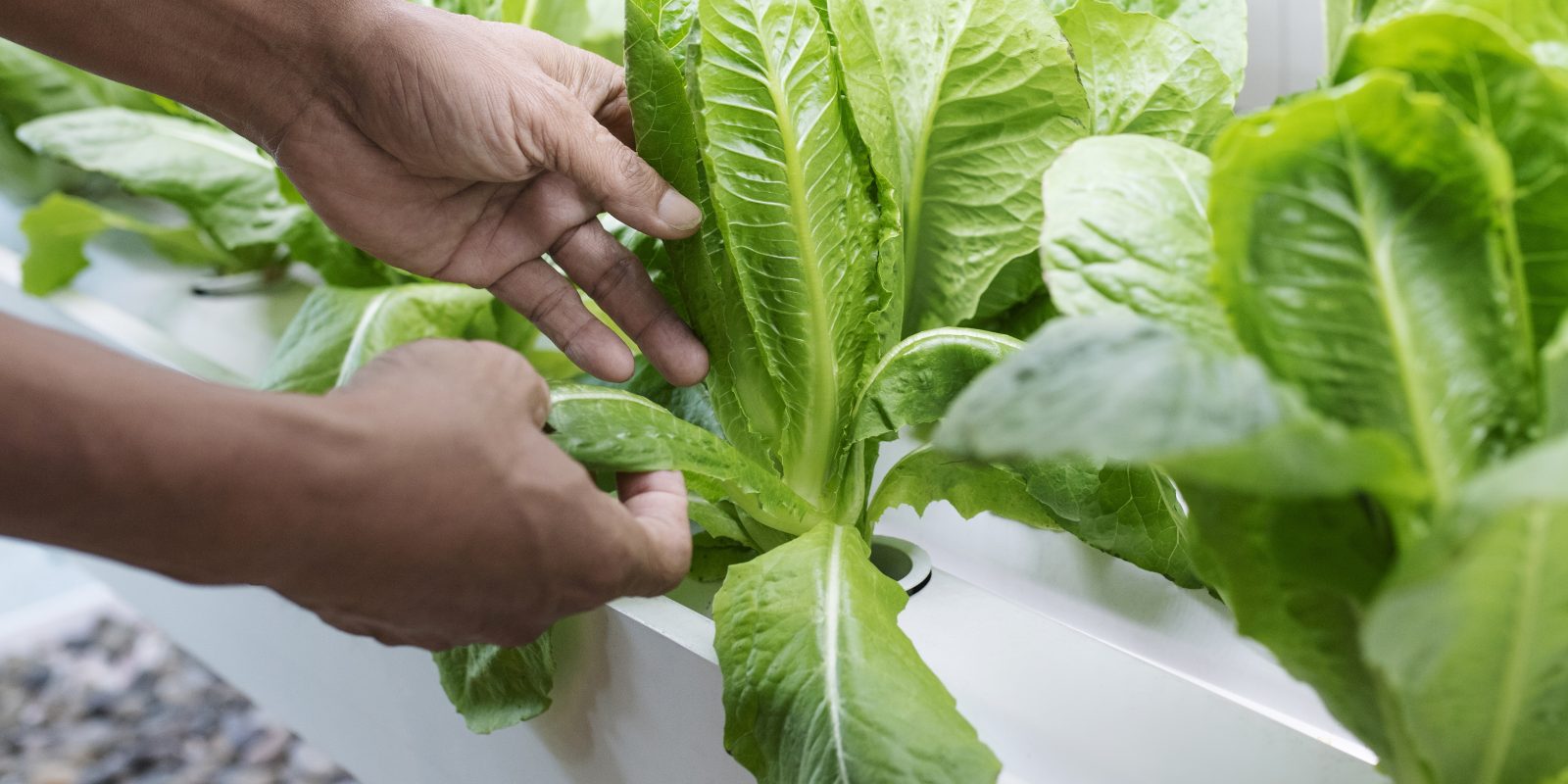
- Leafy vegetables: Lettuce, spinach, kale and other leafy vegetables are among the commonly cultivated hydroponic crops. They have relatively short growing cycles and can be grown in compact systems. They are suitable for supplying supermarkets, restaurants, salad brands and organised retail businesses.
- Herbs: Basil, mint, coriander and parsley are popular choices for growers targeting premium fresh produce markets. Their demand can come from restaurants, food processors, speciality retailers and health-conscious consumers.
- Fruiting vegetables: Tomatoes, cherry tomatoes, cucumbers and capsicum can be cultivated using drip irrigation and substrate-based systems such as Dutch Buckets. These crops require more space and longer cultivation periods but can serve established retail and food-service markets.
- Speciality crops: Strawberries and microgreens offer opportunities in niche markets. However, growers should assess their local demand, production requirements and achievable selling prices before investing. Interestingly, a study suggests that lettuce and leafy vegetables accounted for 55% of India’s hydroponics market revenue in 2026, indicating their importance in the commercial cultivation landscape.
- Understanding Nutrient Management
If soil is not supplying the nutrients, where do plants get them?
In hydroponics, growers provide essential nutrients through a carefully prepared solution. These include macronutrients such as nitrogen, phosphorus, potassium, calcium, magnesium and sulphur, along with micronutrients such as iron, zinc, manganese, copper and boron. Maintaining the right balance is essential for healthy plant growth.
- Monitor pH levels: The pH of the nutrient solution influences how effectively plants absorb nutrients. Many common hydroponic crops perform well within an approximate pH range of 5.5–6.5, although requirements vary.
- Measure electrical conductivity: EC indicates the concentration of dissolved nutrients in the solution. Different crops and growth stages require different nutrient concentrations.
- Maintain water quality: High salinity, unsuitable mineral content and contaminated water can affect nutrient absorption and plant health.
- Adjust nutrients by growth stage: Seedlings, vegetative plants and fruiting crops have different nutritional requirements. Nutrient concentrations should be adjusted accordingly.
- Maintain oxygen levels: Roots require sufficient oxygen. Poor aeration can lead to root stress and disease-related problems.
A 2026 study published in the Indian Journal of Agricultural Sciences examined the optimisation of electrical conductivity, pH and cultivar selection for hydroponic lettuce under subtropical conditions, reinforcing how closely nutrient management and crop performance are connected.
- Creating the Right Growing Environment
Hydroponic crops may be less exposed to certain soil-related problems, but they still depend on favourable growing conditions. Temperature, humidity, light intensity, airflow and water temperature can influence crop growth.
In India’s climate, these factors require particular attention. Summer heat can increase water temperature and stress plants, while high humidity can encourage fungal problems. Greenhouses, shade nets, ventilation systems and climate-control equipment can help maintain more suitable growing conditions. Growers should select infrastructure based on local weather conditions rather than investing in expensive equipment without assessing its actual requirements.
- Understanding the Profitability of Hydroponics
Hydroponics can offer attractive commercial opportunities, but profitability depends on more than the quantity of crops produced.
A 2026 study examining eight hydroponic farms in Hyderabad evaluated projects ranging from 900 sq. ft. to 43,560 sq. ft. The research reported initial investments ranging from approximately ₹4.2 lakh to ₹2.04 crore, depending on farm size and crop selection. It also reported benefit-cost ratios of 1.75 for a 1,000 sq. ft. unit and 2.71 for a 2,000 sq. ft. unit, with estimated internal rates of return ranging from 59% to 85% across the studied farm scales.
For a realistic profitability assessment, growers should consider:
- Initial investment in structures and equipment.
- Seeds, growing media and nutrient solutions.
- Electricity and water expenses.
- Labour and technical expertise.
- Packaging, refrigeration and distribution.
- Crop losses and equipment maintenance.
- Actual selling prices and buyer commitments.
A farm with assured demand from restaurants or retailers may have a different financial outlook from one that depends entirely on spot-market sales.
- Finding the Right Market for Your Produce
Production is only half the business. Finding buyers who are willing to pay for consistent quality is equally important. Hydroponic farmers can explore organised retail, hotels, restaurants, cloud kitchens, speciality food stores and direct-to-consumer channels. Digital agricultural marketplaces can also help growers understand market trends, explore buyer networks and improve access to agricultural trade opportunities.
Through its digital ecosystem, agribazaar connects agricultural stakeholders with technology-enabled marketplace and information solutions. Such digital access can complement cultivation decisions by helping growers become more market-oriented.
Is Hydroponics the Future of Urban Agriculture?
Hydroponics is not a replacement for every traditional farming practice. Instead, it offers an alternative for specific crops, locations and market requirements. Its success in India will depend on combining suitable crop choices, scientific nutrient management, practical infrastructure investments and dependable market access.
For farmers and agripreneurs, the opportunity lies in understanding the complete business model before setting up a farm. With better access to agricultural information, digital marketplaces and technology-led solutions, platforms such as agribazaar can contribute to a more connected agricultural ecosystem where production decisions are increasingly informed by market realities.
FAQs
- Which crops are most profitable for hydroponic farming in India?
Lettuce, basil, spinach, kale, mint, cherry tomatoes, cucumbers and microgreens are popular choices. Actual profitability depends on local demand, production costs and selling prices.
- How much investment is required to start hydroponic farming?
Investment varies according to farm size, growing system, greenhouse infrastructure, automation and climate-control requirements. A small setup can require considerably less capital than a commercial greenhouse.
- What is the ideal pH level for hydroponic farming?
Many common hydroponic crops perform well at a pH of approximately 5.5–6.5. However, the ideal range varies by crop and should be monitored regularly.
- Does hydroponic farming use less water than conventional farming?
Recirculating hydroponic systems can use substantially less water because nutrient solutions can be collected and reused. Actual savings depend on system design, crop selection and operating practices.
- Is hydroponic farming profitable in India?
It can be profitable when growers select suitable crops, manage operating expenses, maintain production quality and establish reliable buyer relationships. However, returns are not guaranteed and require careful financial planning.