 Jyoti Sharma
May 21, 2026
Jyoti Sharma
May 21, 2026
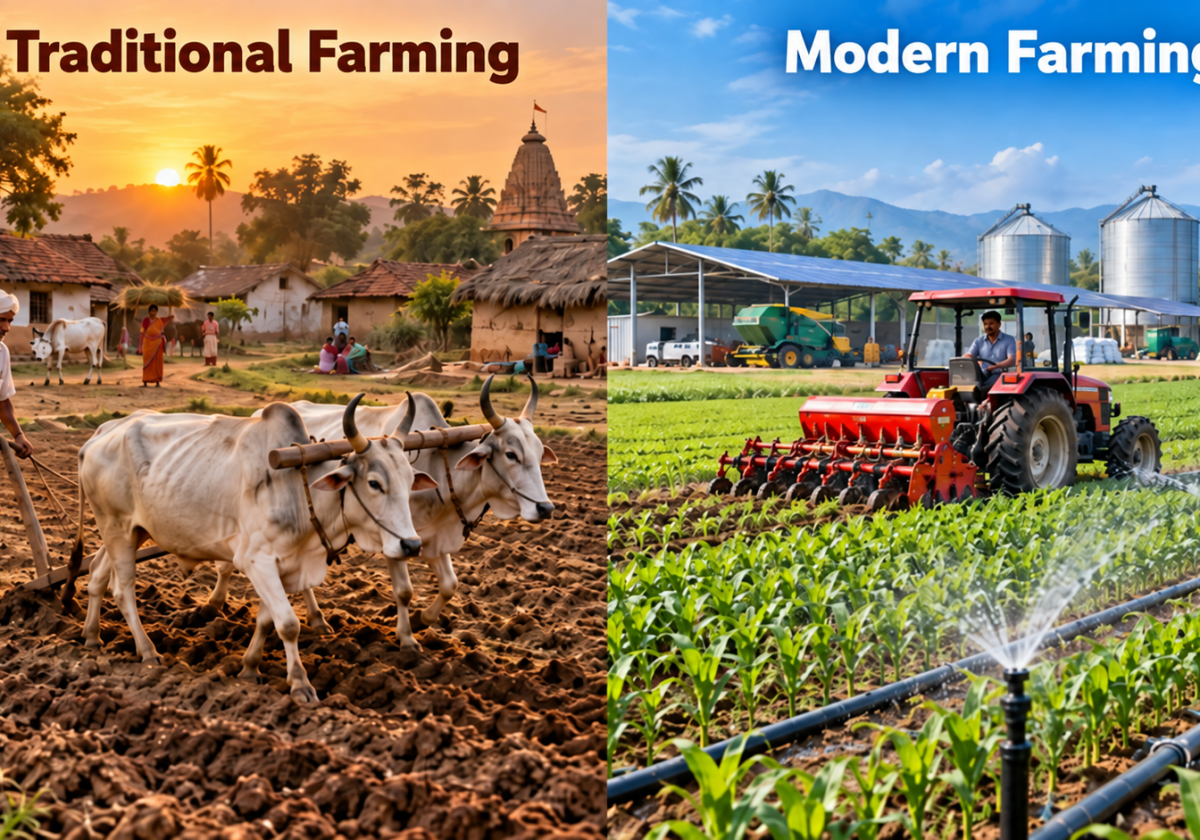
India’s agricultural trade has always followed a fairly simple model. Buyers checked the quality of the produce, negotiated the price, and completed the transaction. But it is evolving rapidly, and so are buyer expectations regarding agriculture traceability.
Today, buyers want more than just commodities. They want agriculture traceability, transparency, quality assurance, and digital visibility across the entire supply chain.
Whether it is exporters, food processors, retailers, or institutional buyers, procurement decisions are becoming increasingly data-driven. Businesses now want to know:
- where the produce came from
- how it was stored
- whether quality standards were maintained
- if the commodity can be digitally verified
Agriculture is gradually shifting from:
“What is being sold?”
to
“Can the entire journey of the commodity be trusted?”
And that shift is driving the rise of traceable agriculture.
Why traceability is becoming important in agricultural trade
Multiple factors are fueling the growing demand for agriculture traceability. Global and domestic buyers today face increasing pressure around:
- food safety compliance
- export regulations
- sustainable sourcing
- supply chain transparency
- quality consistency
- operational accountability
As agricultural supply chains become larger and more interconnected, businesses want stronger visibility across every stage of commodity movement. This trend is especially visible in export markets. International buyers increasingly expect procurement ecosystems that can provide:
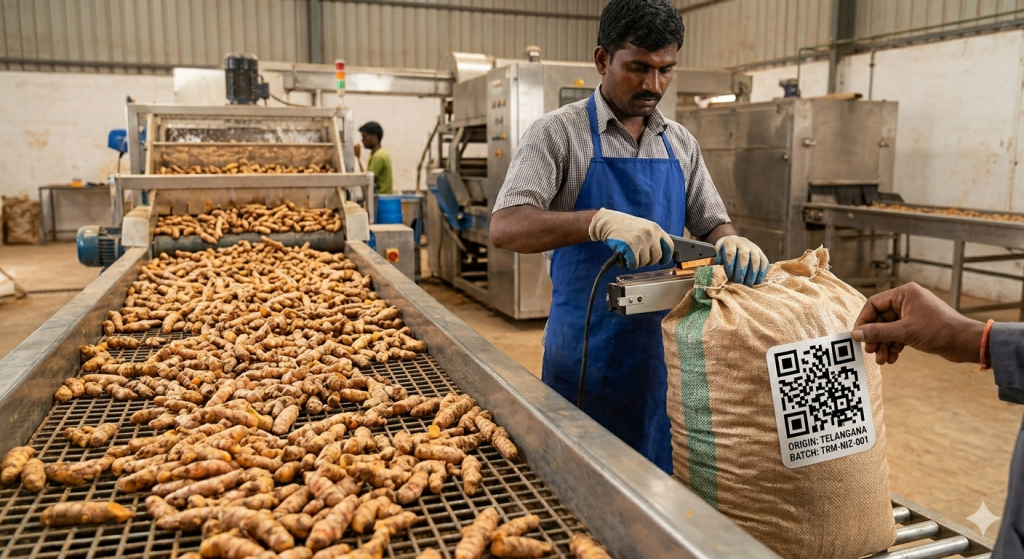
- verified sourcing records
- digital quality reports
- warehouse visibility
- transparent transaction history
- traceable commodity movement
Even within India, organised food businesses and processors are becoming more selective about procurement practices. As a result, trust and transparency are becoming critical competitive advantages in agricultural trade.
Why Data Is Becoming as Important as the Commodity
Modern agricultural buyers are no longer evaluating produce alone. They are evaluating the intelligence attached to it. This includes:
- crop history
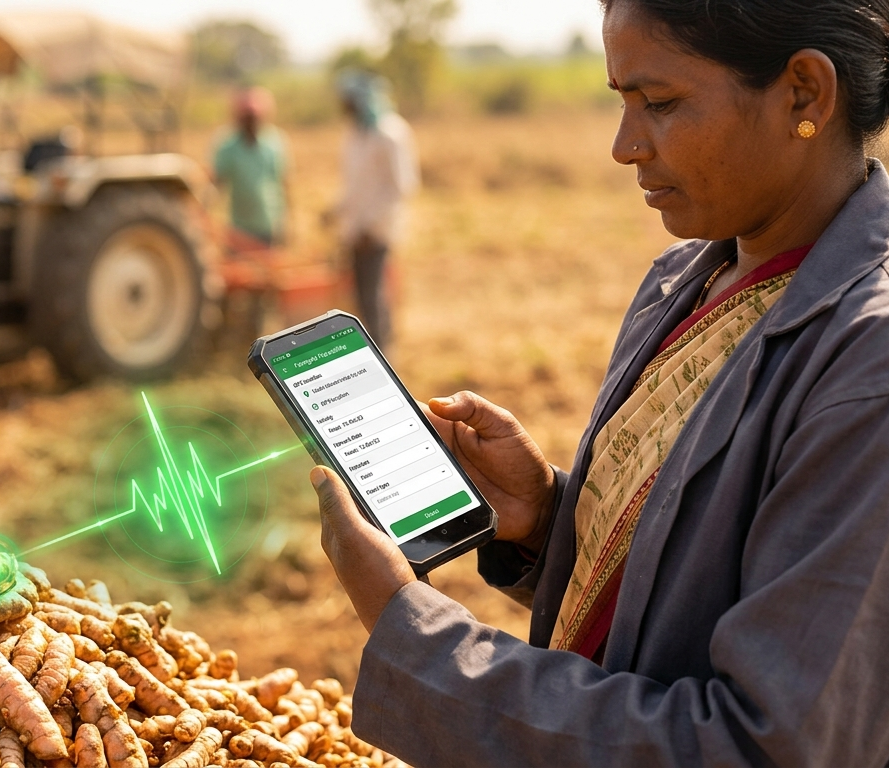
- geo-tagged land information
- warehouse records
- commodity movement tracking
- quality assessment reports
- digital payment trails
- procurement visibility
The objective is simple: reduce uncertainty and improve procurement confidence.
This shift is also changing the role of agritech platforms. Earlier, digital agri platforms primarily focused on market access and price discovery. Today, they are evolving into integrated ecosystems that combine:
- trade
- traceability
- technology
- financing
- quality assurance
- supply chain visibility
How technology is supporting agriculture traceability
Technology adoption across agriculture is accelerating rapidly. India’s agriculture IoT market is projected to reach nearly USD 2.12 billion by 2030 as connected agricultural systems and digital monitoring solutions become more widely adopted. At the same time, India’s agritech market is expected to grow significantly over the coming years, driven by supply chain digitisation and technology-led agriculture ecosystems.
Digital agriculture ecosystems today can support:
- real-time price discovery
- digital payments
- quality verification
- warehouse integration
- commodity tracking
- satellite-based land intelligence
- transparent procurement systems
This is helping agricultural trade become more structured and reliable.
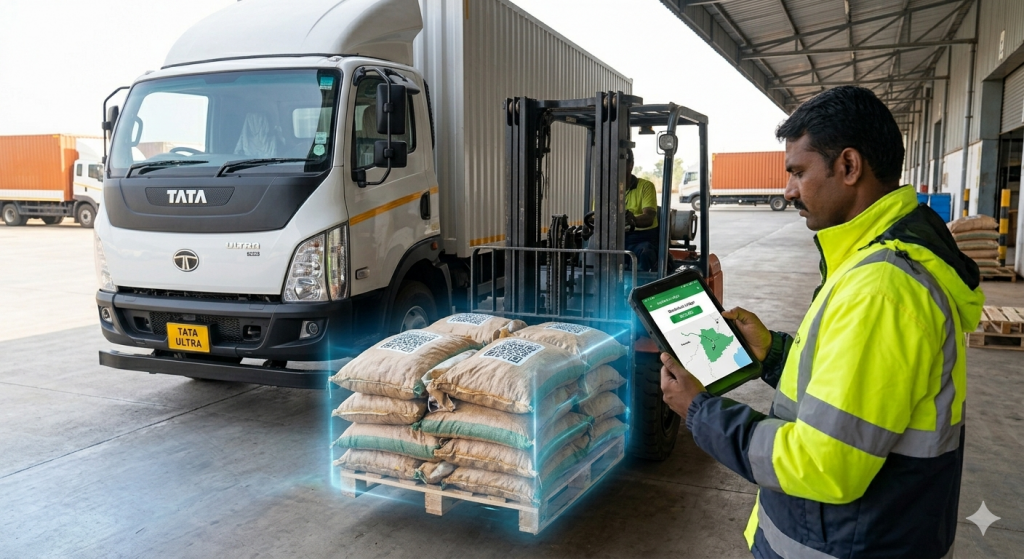
How agribazaar is supporting agriculture traceability
agribazaar has built an integrated agritech ecosystem aligned with the growing demand for transparent agricultural trade. The platform facilitates trading across 100+ commodities while connecting a network of over 3 lakh farmers and traders across India. The ecosystem supports:
- digital commodity trading
- transparent market access
- secured transactions through AgriPay
- warehousing integration
- quality assessment support
- farmer-focused digital solutions
The company’s ecosystem also includes AgriBhumi, its satellite-based land-intelligence platform, operational across 13 Indian states.
AgriBhumi supports geo-tagged agricultural intelligence, crop-level visibility, and land-based insights that can strengthen agricultural decision-making and improve transparency across supply chains.
As agricultural trade becomes increasingly data-driven, integrated ecosystems like these are becoming more relevant for buyers, traders, and agri businesses alike.
The future of agricultural trade will be more transparent
As global agricultural supply chains become more structured and compliance-driven, transparency will become increasingly important. The strongest agricultural ecosystems in the future may not simply be the ones producing the highest volumes. They may be the ones capable of delivering:
- better agriculture traceability
- verified quality
- reliable records
- digital visibility
- stronger buyer confidence
That’s exactly why agriculture traceability is no longer just a trend. It is becoming the foundation of modern agricultural trade.
agribazaar is helping accelerate this shift by connecting digital trade, quality visibility, secured transactions, warehousing integration, and land intelligence into a more transparent agricultural ecosystem. And in this new era, data may become just as valuable as the commodity itself.
Disclaimer
The content published on this blog is provided solely for informational and educational purposes and is not intended as professional or legal advice. While we strive to ensure the accuracy and reliability of the information presented, agribazaar make no representations or warranties of any kind, express or implied, about the completeness, accuracy, suitability, or availability with respect to the blog content or the information, products, services, or related graphics contained in the blog for any purpose. Any reliance you place on such information is therefore strictly at your own risk. Readers are encouraged to consult qualified agricultural experts, agronomists, or relevant professionals before making any decisions based on the information provided herein. agribazaar, its authors, contributors, and affiliates shall not be held liable for any loss or damage, including without limitation, indirect or consequential loss or damage, or any loss or damage whatsoever arising from reliance on information contained in this blog. Through this blog, you may be able to link to other websites that are not under the control of agribazaar. We have no control over the nature, content, and availability of those sites and inclusion of any links does not necessarily imply a recommendation or endorsement of the views expressed within them. We reserve the right to modify, update, or remove blog content at any time without prior notice.